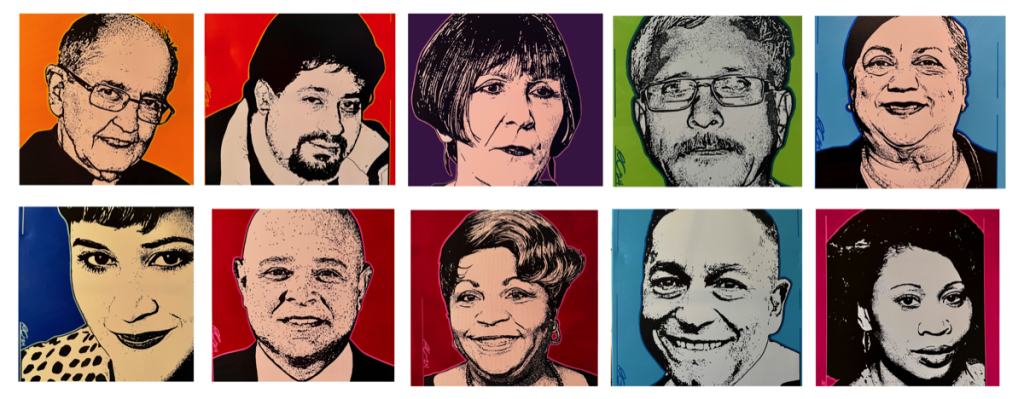
On September 15th, Rhode Island—like other states across the nation—will begin a month-long celebration of Hispanic Heritage Month (Sept. 15–Oct. 15). This annual event is meant to honor the history, culture, and contributions of Hispanic and Latino Americans. Yet, as the founder of Rhode Island’s first statewide Hispanic Heritage Month Celebration back in 1988, I must raise a concern: too often, the stories highlighted are the ones that make us feel good, while the harder, more complex narratives of struggle, oppression, and perseverance are left untold.
It is easier to showcase music, food, and dance than it is to delve into the history of prejudice, labor struggles, or civil rights battles. Yet, if we limit ourselves only to “feel-good” programming, we deny the public the opportunity to understand the depth and breadth of Latino history and identity. The arts are important and celebratory, but they should not eclipse the stories of strength, sacrifice, and activism that are equally essential to who we are.
The truth is that the U.S. education system has long failed to teach Latino history. For many students, Hispanic Heritage Month is the only time they hear about the contributions of Latinos at all. And even then, what they encounter is often superficial. Why not use this month to highlight the real history—warts and all—of Chicanos, Puerto Ricans, Dominicans, Mexican-Americans, and other Latinos who shaped this country? If told honestly, even the most difficult stories become uplifting because they show us how far we have come and what we have overcome. They remind us that progress and social justice in this country have always come through struggle.
American Latino history is not only rich and diverse but also predates the founding of the United States. People of Spanish, Indigenous, and African descent were here before there was even a U.S. border to cross. Today, Latinos in America represent traditions from Mexico, Guatemala, Cuba, Puerto Rico, the Dominican Republic, and dozens of other countries in Latin America and Iberia. By 2020, the Hispanic population in the U.S. had reached 62.5 million, or 18.7% of the total population—a record high.
In Rhode Island, the story is equally significant. According to the 2020 Census, the Latino population here reached 182,101 residents. Nearly 40% of Rhode Islanders identify as people of color, and Latinos make up a vital share of that number. More than 14% of the state’s workforce is Latino, with almost half residing in Providence. The largest groups are Dominican and Puerto Rican, followed by Guatemalan, Mexican, and Colombian communities. And remarkably, every Latin American country—as well as Spain and Brazil—is represented in Rhode Island.
But statistics alone cannot capture the richness of our story. Behind those numbers are veterans who served in every war since World War II, teachers shaping the next generation, entrepreneurs creating jobs, and community leaders fighting for justice. Rhode Island Latinos are not simply contributing to society; they are woven into its very fabric. Our stories reflect courage, sacrifice, and the hope of ordinary people building dignified lives in the face of discrimination and hardship.
Back in 1988, when I formed the Heritage Month Celebration Committee—what is today Rhode Island Latino Arts—we set out to make this history visible. What began as “National Hispanic Heritage Week” in Rhode Island has since grown into a statewide recognition of Hispanic Heritage Month. It has become part of the rhythm of civic life in Rhode Island, offering residents a chance to celebrate Latino diversity. But celebration must mean more than sampling our food or dancing to our music. It must also mean honoring our history in all its complexity.
As an educator, I remain troubled by how little Latino history is taught in schools. Hispanic Heritage Month should not be the only time young people learn that Latinos have shaped U.S. history. Rhode Island’s Latino community has made measurable and lasting contributions, and our stories—whether of joy or of struggle—deserve to be told.
This year, I encourage all Rhode Islanders to look beyond the surface of celebration. Attend events that highlight history as well as culture. Ask about the lives and legacies of Latino Rhode Islanders who built businesses, fought for civil rights, and defended this country in times of war. And above all, I urge Latinos themselves to share their stories—stories of pride, dignity, and perseverance that continue to define us.
Only then will Hispanic Heritage Month live up to its purpose: not simply to entertain, but to educate, to honor, and to remind us of the struggles and triumphs that have shaped our community and enriched this nation.
Marta V. Martínez, PhD, is the founder of Rhode Island Latino Arts and continues to coordinate the annual Hispanic Heritage Month celebration. She is a community oral historian, author of Nuestra Raíces: Latino History of Rhode Island, and a public historian. She can be reached at marta@rilatinoarts.org.