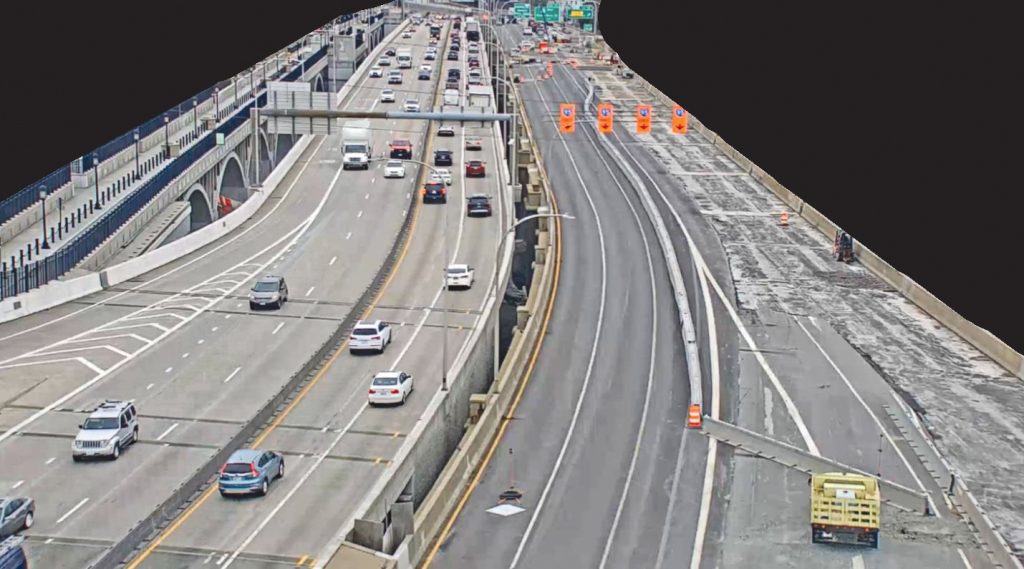
The closure of the westbound section of the Washington Bridge that occurred in December of 2023 has inspired major grievances within the greater Providence metropolitan area. Traffic within the city limits has become unbearable, especially for those traveling from southeast Massachusetts, heading into Providence. While traffic flow is slightly better now than when the westbound lanes closed, there are still a great amount of stress and long delays for daily commuters.
Many residents blame the bridge closure not just for traffic jams, but for the increased level of stress on small business owners. This mainly includes those working in the hospitality services and many local retail stores. The hospitality industry includes a multitude of services such as restaurants, hotels, and tourism. Each county in RI took a financial hit.
According to a study conducted by the Rhode Island Hospitality Association and Salve Regina University focusing on the bridge’s economic impact, almost every county in Rhode Island was negatively affected by the closure of the bridge. In total, as of early 2025, the loss was roughly $114 million in revenue related to RI’s formidable hospitality industry. Providence county suffered the biggest amount, totaling $56.7 million in revenue loss. Kent county suffered $29.8 million in revenue loss. The less populated Washington and Newport counties suffered a loss of $17.6 and $16.5 million respectively. Jobs also saw a loss, with over 1,300 being lost within the first year of the bridge closure.
However, this is where the report becomes interesting. Bristol County, which contains the towns of Barrington, Bristol, and Warren, instead saw a $6.6 million increase in revenue. While this sounds surprising, the slight economic boom isn’t too shocking if you look at a map of Bristol County in relation to the rest of Rhode Island. Situated at an awkward spot between Massachusetts and the gaping Providence River without any bridge, those three towns are rather isolated in relation to most of RI and the metropolitan area of Providence. Before, many residents would have to leave homes to commute to work, purchase goods, or enjoy the vibrant hospitality the city has to offer. With the closure of the bridge and exhausting commuting troubles, many residents have opted to stay home and avoid the trouble. That includes wider support for the small businesses that populate these areas, including local retail stores and beautiful restaurants situated on the water.
Another bright future that lies ahead of the closed bridges is the chance for an increase of revenue in the East Providence area. The main epicenter for the bridge closure, the city was at the forefront of the economic and commuting problems when the bridge initially closed. As time has slowly passed, many commuters heading into the state from southeastern Massachusetts have decided to seek alternative routes around the bridge, even though the flow of traffic has at least somewhat improved. Similar to residents in RI’s Bristol county, commuters from Massachusetts, Bristol County, and even East Providence residents, have opted to avoid the bridge and instead check out what local East Providence businesses have to offer.
These factors have highlighted the growing regional resiliency among Rhode Islanders. While most of mainland Rhode Island will continue to see an unfortunate decrease in revenue within the coming years, places like Bristol County and East Providence will continue to see growth due to the shifting consumer habits as a result of the bridge closure. Even with the improved traffic flow, many still would rather avoid the Washington Bridge altogether to enjoy what local businesses on the east side of the bridge have to offer.