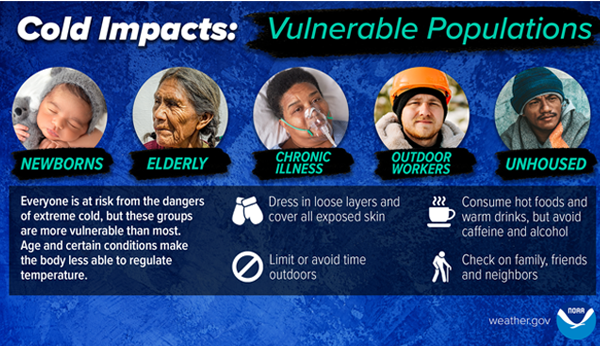
Even normal winter conditions can be life-threatening to anyone without proper hats, clothes, and footwear, but extreme conditions are life-threatening for anyone outside of heated shelter.
According to the RI Department of Environmental Management, the interior of the state (that is, not along the immediate coast) each year averages five days with a minimum temperature of 0°F, 30 – 40 days with a maximum temperature of 32°F, and January to February the average daily temperature is 19 – 20°F. Between 1980 and 2014, 14 winter storms each accounted for at least $1 billion in damage, and 42.4% of all “billion-dollar” weather disasters in RI, beating out tropical storms (24.2%) and other storms (21.2%). Motif has reported record-setting cold weather emergencies, such as wind chill dropping below -20°F and even reaching -30°F in Feb 2023.
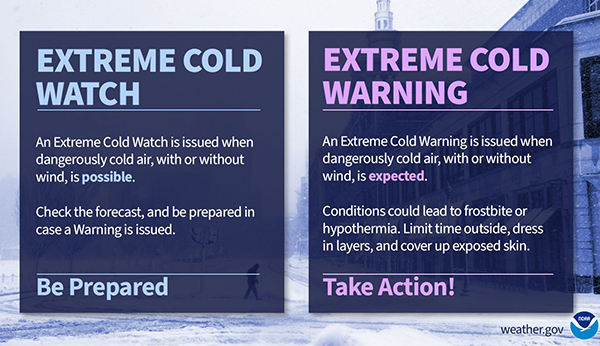
The National Weather Service (NWS) states, “An Extreme Cold Warning is issued when extremely dangerous cold conditions or wind chill values are expected or occurring. If you are in an area with an Extreme Cold Warning, avoid going outside. If you have to go outside, dress in layers, cover exposed skin, and make sure at least one other person knows your whereabouts. Update them when you arrive safely at your destination.” The criteria for “extreme cold” vary by location and are defined by the local NWS office.
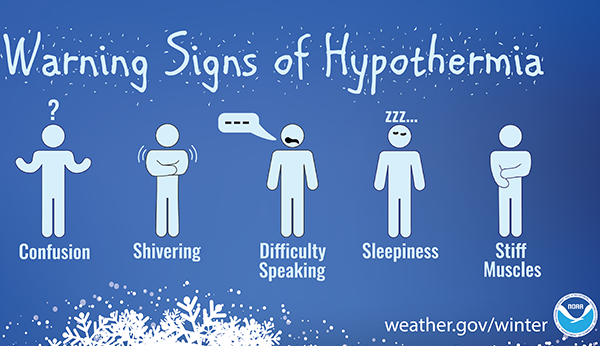
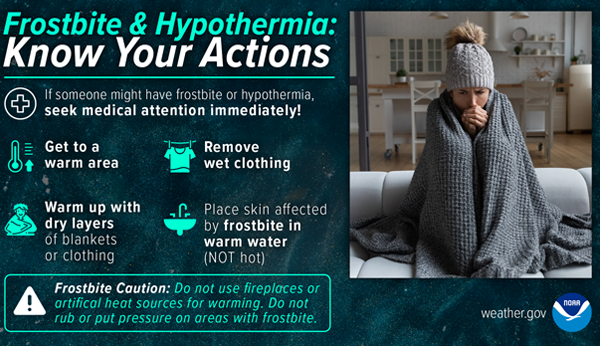
According to the National Safety Council, exposure to cold can cause frostbite, which is the injurious freezing of layers of skin, even if covered by clothing, mainly on the fingers, toes, nose, ears, cheeks and chin. Exposure to cold can also cause hypothermia, which is the lowering of core body temperature below 95°F, leading to organ failure and death.
Nearly all municipalities in RI operate warning centers, usually public libraries and community centers during the day, and occasionally public safety complexes around-the-clock. The RI Emergency Management Agency keeps a list – riema.ri.gov/warming-centers – of such facilities along with their hours and telephone numbers. Those experiencing homelessness may need additional services – housing.ri.gov/resources/individuals-experiencing-homelessnes – beyond that provided by emergency warming centers. Anyone needing assistance can call the United Way by telephoning 2-1-1, a free and confidential service answered by trained professionals, 24 hours a day, 7 days a week, 365 days a year.
The City of Providence publishes its own list of warming centers atprovidenceri.gov/pema/warming-centers, and explains, “Warming centers provide temporary relief from extreme cold temperatures in public spaces where community members already gather” and, “Warming centers are safe and secure places for individuals or families to stay warm. They are located in heated buildings that are open to the public and often have pre-existing programming.” However, the city warns, “A warming center is not a permanent shelter. There are no housing, medical, or behavioral health services. A warming center cannot accommodate pets. Only registered service animals are allowed. A warming center does not provide food.” Providence is the only city that lists 24-hour warming centers not at a public safety complex: Crossroads at 160 Broad St, and Providence Rescue Mission at 627 Cranston St.
The American Red Cross offers free applications for Google Android and Apple iOS that can assist in identifying and treating cases of frostbite and hypothermia, as well as directing users to weather emergency resources more generally, including delivering severe weather alerts by location.