Before we’re made to deal with whatever winter dumps down on us, we have the glory of fall. The chill of the air is still a novelty; we are newly impressed by our own jackets; we indulge in early season ciders. Maybe even throw on a pumpkin spice rim. Best of all: you may find yourself moved by the spooky spirit come October.
The spooky spirit is the seasonal appreciation for ghost decorations and the color orange. It is the sudden desire to head to a haunted house or corn maze. Most of all, it is the abrupt need to indulge in a scary story or two.
While full books are great, I find short stories to be particularly haunting for the fall. Maybe it’s the campfire nature of them (remember “humans can lick too”?) or maybe it’s because I don’t love being stuck in a single scary story for several days. If you, too, could use some bite-sized scares, check out these collections.

- The Ghost Stories of Edith Wharton. That’s right, Edith Wharton didn’t just write some of the best social commentary novels of all time about New York – and Newport – elite society, she cranked out some ghost stories! Now, if you’re the type of person who wants to be scared out of your wits, Wharton’s tales might not be for you. But if you prefer a ghost story that won’t keep you up all night, she’s your girl. These are more similar to the slow, psychological frights of horror queen Shirley Jackson’s The Haunting of Hill House (the book, not the show).
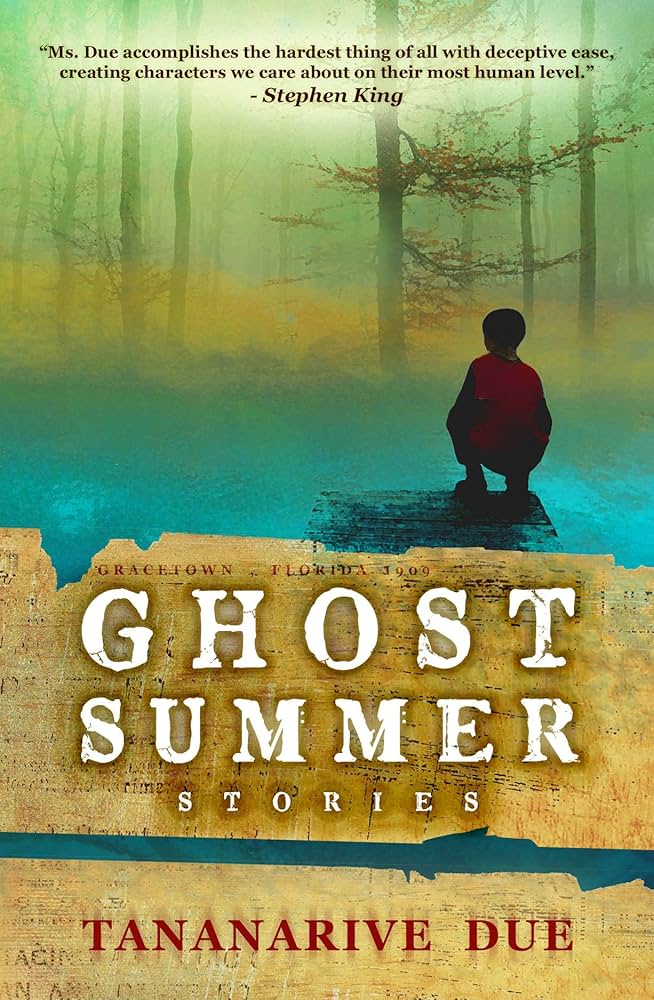
- Ghost Summer: Stories by Tanarive Due. If you like your scary stories full of monsters, this one’s for you. Due’s 2015 collection has it all: zombies, werewolves, plagues, a possessed toddler, and a spooky Florida town in which only kids can see ghosts. But that’s not all that Due manages here: the titular story is often praised for its racial commentary. The stories vary in length, with a few actually classifying as novellas, so check this collection out ASAP if you like to be kept guessing what’s next.
- The Ones That Got Away by Stephen Graham Jones. Okay maybe I lied about avoiding full-size horror novels, because I will be spending October reading Stephen Graham Jones’ 2025 historical horror novel, The Buffalo Hunter Hunter, called “a masterpiece” by NPR. But, in sticking to this list’s theme, Graham Jones’ 2010 short story collection, both a Bram Stoker Award and Shirley Jackson Award finalist, will do. Besides being one of the most prolific modern-day horror writers, Graham Jones plays with genre and expectations of classic monsters, often portraying Native American characters and themes along the way. His stories can be quite gory, so, reader, beware!
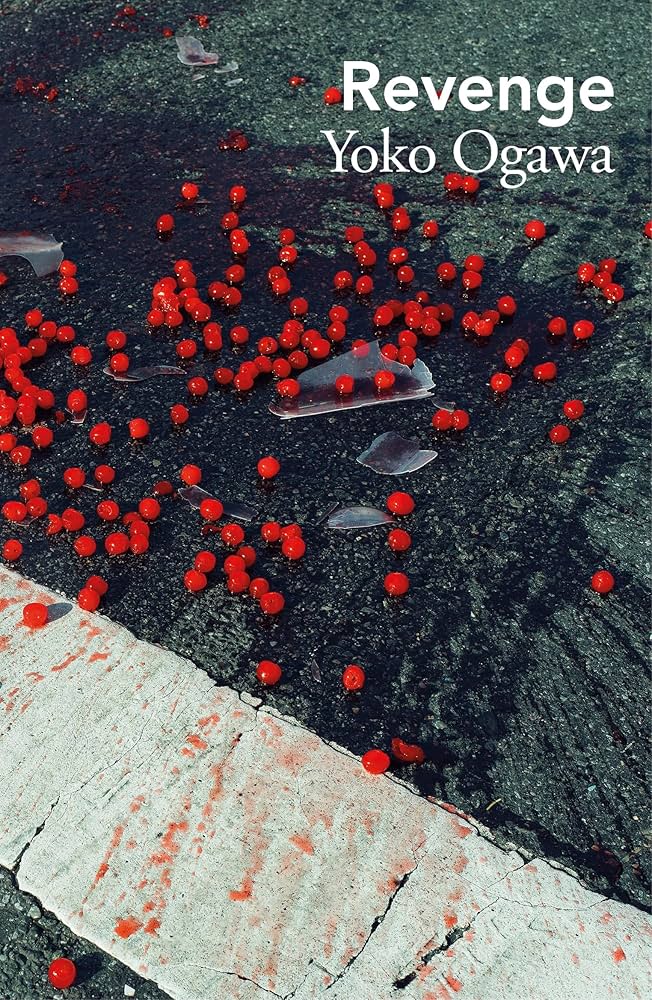
- Revenge by Yōko Ogawa, translated by Stephen Snyder. These eleven disquieting short stories from popular Japanese writer Yōko Ogawa are interconnected, at first through small details like food, and later through characters and locations. If you like this collection, originally published in 1998 and translated in 2013, make sure to check out Ogawa’s novel The Memory Police, a dystopian novel about the loss of language.
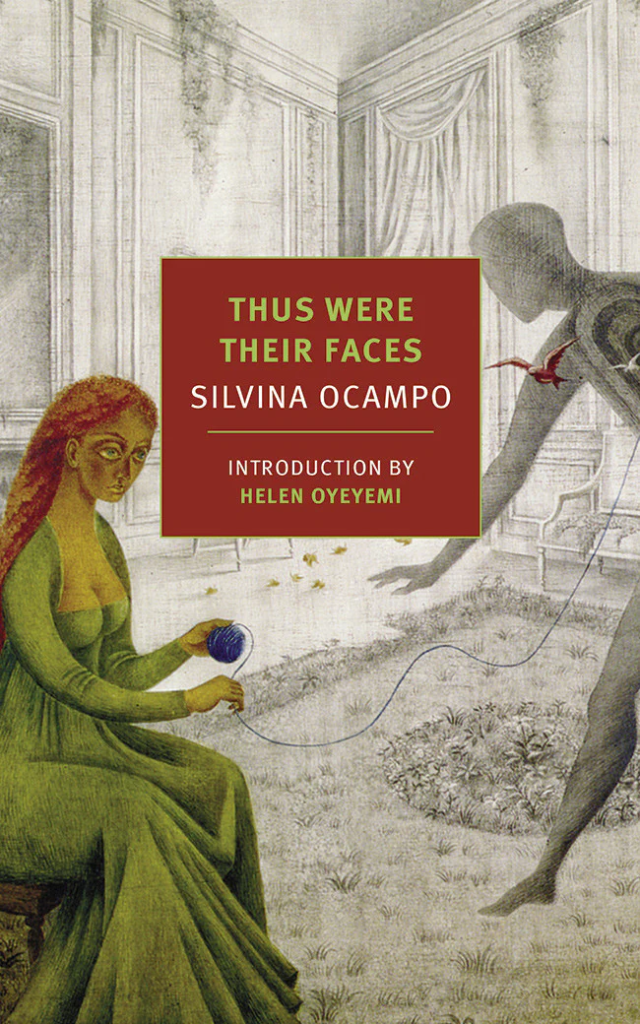
- Thus Were Their Faces by Silvina Ocampo, translated by Daniel Balderston. If monsters and gore aren’t up your alley, consider Argentine short story writer and poet Silvina Ocampo’s collection, which boasts an introduction by Helen Oyeyemi and a preface by Jorge Luis Borges. The 42 stories that make up this collection, published by NYRB Classics in 2015 but written between 1937 and 1988, are dreamlike and disorienting, dealing with themes of grief, superstition, and deja vu.
- Dark Entries by Robert Aickman. Aickman preferred to describe his tales as “strange stories” instead of horror stories. Indeed, these stories tend to function as mysteries, slowly burning their way to their inevitable revelations. If you’re a fan of the uncanny, such as E.T.A. Hoffman’s classic 1816 story “The Sandman,” these are the stories for you.
- Anything by Edgar Allan Poe. It’s technically illegal for me to not mention Providence’s foremost literary tourist, Edgar Allan Poe. Now, am I a fan of the man himself, who married his 13-year-old cousin while he was in his late 20s? Certainly not. But it does feel especially chilling to crack open a thick tome of Poe stories in the creaky stacks of the Athenaeum, where Poe himself once studied. Go ahead and treat yourself to a Providence ghost tour after hitting the Benefit Street library.
- Uncanny Mag. If you’d rather a sampling of spooky tales, haunting poems, and ruminations on the state of science fiction and fantasy, I’d like to suggest purchasing a copy of Uncanny Magazine. This award-winning literary magazine is published monthly, boasting an impressive roster of writers and interviewees. You can check out sample pieces for free online.