Author: Alison O’Donnell

  • SMALL MOUTH SOUNDS: Silence, Laughter, and the echo of being seen

    SMALL MOUTH SOUNDS: Silence, Laughter, and the echo of being seen

    There’s a curious vigilance that falls over a room where a story is told without words. Not the absence of sound, but an intimacy, a heightened awareness of breath, glance, gesture. In Small Mouth Sounds, currently playing at Wilbury Theatre Group, this hush becomes the heartbeat of the production. Director Tanya Martin compassionately captures playwright Bess Wohl’s tender absurdity with a quiet power that’s both disarming and deeply human. Filled with awkward yet insightful humor, Small Mouth Sounds asks how we address life’s biggest questions when words fail us.

    Set at a silent spiritual retreat, a setting ripe for both revelation and ridiculousness, Small Mouth Sounds unfolds mostly without dialogue. A motley handful of seekers each arrive burdened with invisible cargo. Yoga mats, a suitcase, sorrow, snacks. Temporarily eluding city life, the six come searching for something: peace, forgiveness, distraction, connection. Wilbury skillfully conveys what Wohl gives them: recognition. As these strangers confront internal demons both profound and absurd, their vows of silence collide with the sorely human need to connect. The silence, at first overwhelming, slowly transforms into its own language, which the ensemble speaks fluently.

    This ensemble of seven is the show. Each performance delivers control and restraint. Olivia Hodson’s restless energy buzzes like white noise next to Dave Rabinow’s reticent posture. Harry Aspinwall cedes a staggering, wordless breakdown that ripples through the room in a confession everyone understands. You can always count on veteran Amie Lytle’s comedic countenance. Even the unseen teacher — a recording (spoken live by Jennifer Mischley) serving as both abortive spiritual guide and comic foil — becomes a presence that’s part guru, part passive-aggressive boss. Rounding out the cast with equally compelling portrayals are Beth Alianiello and Stuart Wilson.

    While the text’s humor remains intact (the irony of seeking transcendence through wi-fi withdrawal never gets old), it is compassion that speaks volumes here. Wilbury Artistic Director Josh Short describes Small Mouth Sounds as a quietly mischievous piece of theater. “In a world that rarely stops talking (or pinging, or beeping, or buzzing), Bess Wohl invites us into silence and dares us to actually sit with it. With the recent Broadway success of her new play, Liberation, Wohl has firmly established herself as one of the most insightful voices in American theatre today. And even more resonant, tapping into our collective craving for connection, meaning, and a little bit of peace in an increasingly noisy, disconnected world.” 

    Short further explains, “The play follows six strangers at a silent retreat, which means we don’t get the usual comforts of dialogue to tell us who these people are. Instead, we learn by watching: the way someone fidgets, hesitates, reaches out, or pulls away. In the absence of words, the audience assumes the power to fill in the blanks, make assumptions, and build the stories of these characters together. And the play gently asks us to notice that, too. What are we bringing into the room? How much of what we think we understand is about them, and how much is about us?” 

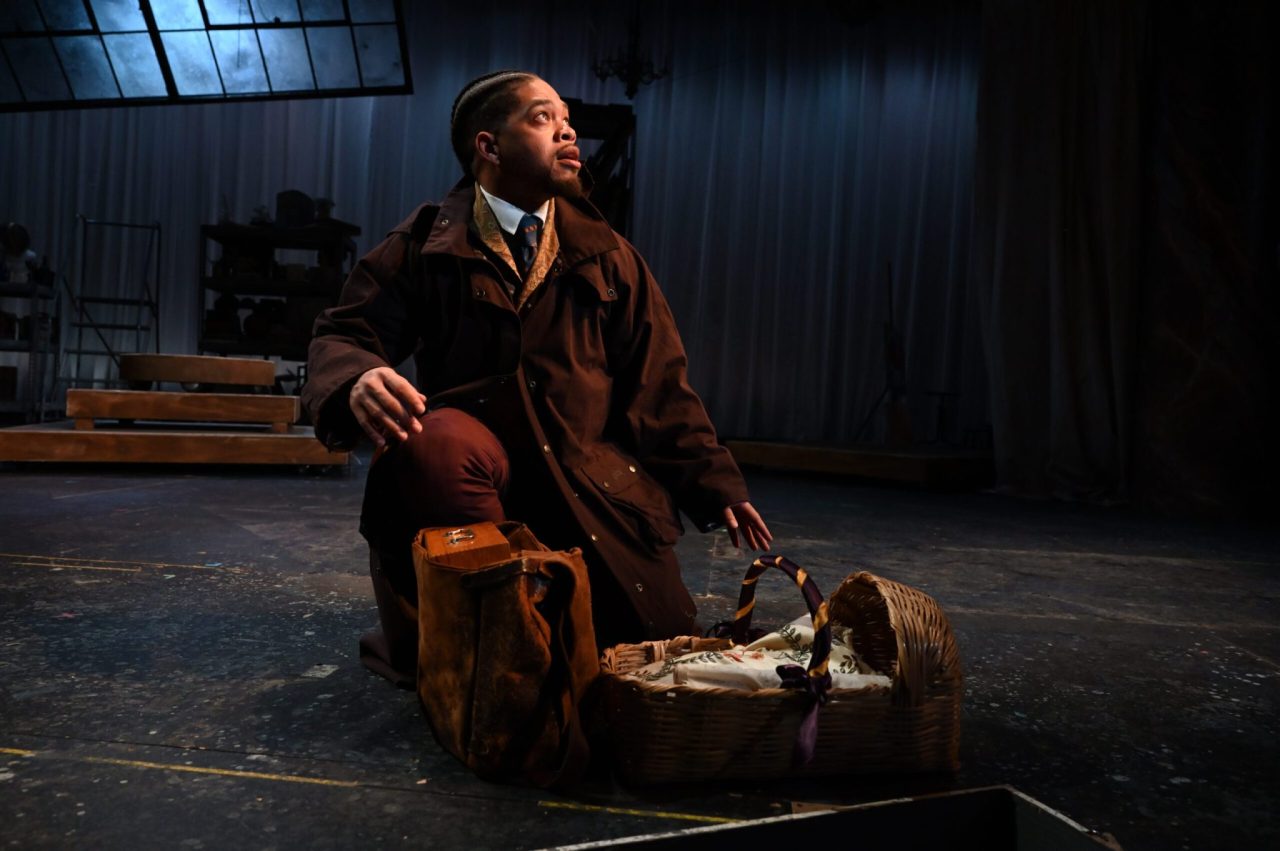
    Visually, Wilbury’s production thrives in simplicity. Scenic Designer Keri King utilizes a minimal yet striking set: several chairs, yoga mats, the skeletal architecture of retreat cabins in the woods. This frames not just the story but the silence itself. The blocking is intentional, as if each pause has been choreographed to let us notice the smallest gestures: a sideways glance, a hesitant offering of comfort, the nervous crackle of a snack wrapper. Subtle shifts in lighting punctuate the emotional arc, moving from fluorescent realism to moments of dreamlike stillness (sound and light design by Andy Russ; technical direction by Jason Sall).

    Small Mouth Sounds is a quiet triumph that asks of its audience what it asks of its characters: to listen. To sit in discomfort. To find meaning in the awkwardness of being human together. Wilbury prevails in this experiment. By the end, when words return, you find you no longer need them. Sometimes, when we’re feeling overwhelmed with noise, silence says the most.

    Wibury presents Small Mouth Sounds through February 15. Production contains mature themes, mild, infrequent coarse language, and full frontal male nudity. For more information, visit thewilburygroup.org/small-mouth-sounds.html.
    ​​ 

  • THE MEMORY OF WATER: Some Things Stay In Your Bones 

    THE MEMORY OF WATER: Some Things Stay In Your Bones 

    Photo by Jesse Dufault.

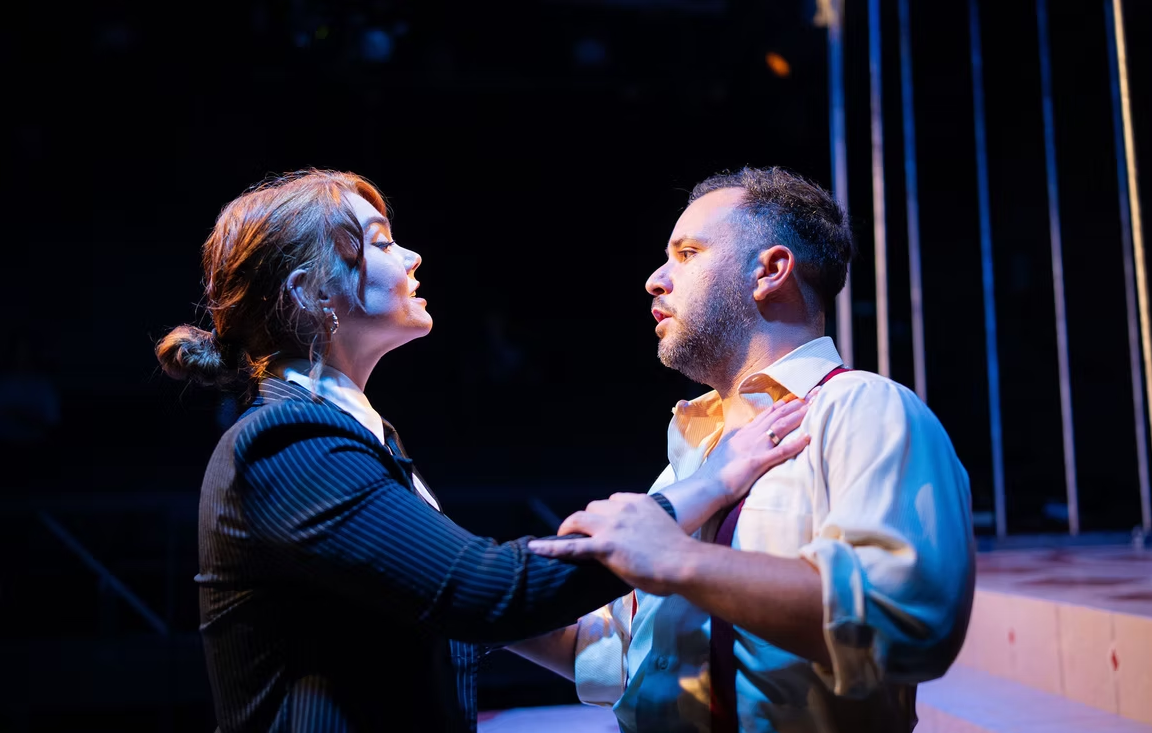
    Picture this: grief and laughter, absurdity and tenderness coexisting cohesively. Not easy to do, yet Burbage Theatre Company’s production of The Memory of Water adeptly captures this ephemeral equilibrium. Under the expert direction of Lynne Collinson, this revival of Shelagh Stephenson’s reflective comedy lands with a bittersweet bang — funny, fractured, and full of feeling. Starring Burbage artists Rae Mancini, Allison Crews, and Valerie Westgate, the production explores themes of sisterly love, anger, and conflicting memories.

    The play’s premise is deceptively simple. Three sisters — Teresa, Mary, and Catherine — gather before their mother’s funeral at her seaside home after years of separation. Each is haunted by her own demons, dealing with the death and how it directly affects her. Their different memories of the same events cause constant bickering about whose memories are the right ones. 

    The production opens with Mary, played with luminous precision by Crews. Her composed exterior masks an undercurrent of longing and confusion, especially as she begins to “see” her briskly acerbic mother, Vi (portrayed on opening night by Collinson; Carol Schlink casted) in moments that walk a perfect line between the real and imagined. Their scenes together pulse with quiet electricity — the daughter desperate for validation, the mother clinging to a version of herself softened by death. Mary ponders the question, “Can you feel nostalgia for something that never existed?”

    Teresa, the self-righteous eldest (Mancini), leans into her wounded authority, offering some of the best laughs, as well as the most painful truths. Meanwhile, Westgate brings an effervescent energy to Catherine, the youngest, whose fashion choices and late-night confessions veer brilliantly between hysterical and heartbreaking. Together, they paint a portrait of sisterhood that feels elevated but true — the shared laughs, the looping arguments, the sudden tenderness that shocks even them. These ladies, while unable to agree on even one experience, are unified by their familial bond. As Vi comments, “Some things stay in your bones.”

    The metaphor of water runs throughout the play, symbolizing the fluidity of memory and the impact of loss. Hidden lies and self-betrayals claw their way to the surface. Among the siblings’ tension and conveniently unearthed secrets, Burbage finds the stillness and unease that make Stephenson’s writing sing with a rhythm honoring the ache of loss and the absurdity of family memory, and how grief circles back on itself. The cast rides those waves beautifully, shining during moments of grief, anger, and sadness. 

    The ladies bring along their partners, their grievances, and their ghosts. The men in the women’s lives (Brien Lang as Frank and Aaron Morris as Mike) have their place for grounding as well as upending, but it’s the sisters who deliver the laughs, finding humor in their solemnity. Even when the chuckles come, there’s a constant ache behind them, each joke a form of self-defense. The humor can feel a bit forced at times, as we’re reflecting on pain then jolted by a joke, but the most deliberate laughs land as calculated.

    The Memory of Water is dark comedy at its best. It is at once a bittersweet examination of grief — its functions and social manifestations, its direct and rippling impact on family left behind — and a sharp comedy rife with wit and irreverence,” says Artistic Director Jeff Church. “Much in keeping with our previous partnerships with Women’sWork, Shelagh Stephenson’s play is a unique balance of gravity and levity. It understands something universal: When faced with grief, we don’t become eloquent — we become human. We laugh at the wrong moments, argue over trivial details, misremember the past, and cling to the stories that help us survive. The play speaks directly to anyone who has ever lost someone and discovered that mourning is messy, funny, uncomfortable, and deeply revealing. It invites an audience to recognize themselves — unflatteringly and honestly — in the ways that families love each other, fail each other, and endure. This is a play that makes you laugh because it tells the truth, and then quietly asks you to consider which of your own memories you’re still protecting.”

    Burbage’s design team complements the play’s contemplation of memory and identity. Designer Grey Rung’s set — a bedroom strewn with old furniture and the detritus of memory — feels right for the family’s intimacy. Mom’s bedroom is where they all argue, reminisce, cry, smooch, hide, yell, drink, dress, and undress. The walls look like they’re crumbling, letting us know there are cracks in the family foundation, and one day the sea will claim this structure. Production design by Trevor Elliott gives us both subtle and blaring lighting shifts, marking transitions between recollection and acceptance, letting the audience drift in the spaces between the waking world and memory.

    Because the play is often interspersed with painful recollections of tragic events, some might argue it’s a tragi-comedy. It’s tender, funny, full of spirit, and finds truth in those in-between spaces. By the time the play closes, not with resolution but with a quiet release, Burbage’s The Memory of Water has earned its tears and laughter. It leaves us musing on how we misremember, reinvent, and forgive — and how memory, like water, slips through our hands no matter how hard we try to hold it.Burbage presents The Memory of Water through Feb 8. For more information, visit burbagetheatre.org.

  • SUFFS: A Fierce, Feminine Reckoning With The Past And Present

    SUFFS: A Fierce, Feminine Reckoning With The Past And Present

    The Providence Performing Arts Center presents Suffs, the new Tony Award-winning musical that boldly explores the triumphs and failures of a struggle for equality that’s far from over. Starring and written by Shaina Taub, Suffs transforms the story of the suffragists into a kinetic, heart-thudding pageant of ambition, frustration, and moral courage. It’s a historic rallying cry dressed in corsets and banners about the brilliant, passionate, and funny American women who fought tirelessly for the right to vote. Director Leigh Silverman adeptly keeps the pacing brisk yet allows space for reflection.

    Suffs — what the suffragists call themselves for short — is set in the early 1910s, more than 60 years after the first Women’s Rights Convention in Seneca Falls, New York. Alice Paul, fresh out of her successes in college, has new ideas on ways to get women the right to vote and fearlessly exacts them with gusto. From the first beat, Taub is electrifying in her role as Paul. She commands the stage with fierce intellectual precision and restless energy. Her bright, urgent score thrums beneath each scene, sung with the might of a woman empowered, expressed with a beautiful contradiction of old-world harmonies and modern rhythms. Paul’s a perfectionist, an idealist, and at times, a monumental pain — which we love. No idolization here, just interrogation.

    Monica Tulia Ramirez, as the wry and wisecracking Inez Milholland, gallops onto the stage (literally and metaphorically) in flowing white, the audience instantly enthralled. Her charisma is that of a superhero, her voice rich with conviction. When she leads the march, history becomes present tense. Marya Grandy, as Carrie Chapman Catt, offers a nuanced study in pragmatism. Her restrained authority contrasts beautifully with Taub’s revolutionary Paul. The two women circle each other like wary lions, each aware the other’s methods might win – or lose – the war.

    Suffs manages to hold tension between reverence and rebellion. Besides generational division within the movement, there’s also racial division. Danyel Fulton’s portrayal of journalist Ida B. Wells delivers one of the night’s most powerful moments. With quiet strength and piercing clarity, she forces both the suffragists and the audience to confront a movement fractured by race and privilege. Her confrontation scene — tense, uncomfortable, and utterly necessary — truly resonates as a vital reminder that progress is seldom pure, or quick. Black women have been pushed to the back, told to “wait their turn,” despite the protests of Wells, in order to keep the Southern White women on board. It’s a conflict this production doesn’t shy away from, addressing it head on.

    Taub says, “I think the process of writing the show was a process of accepting the fact that there is no ‘getting it right.’ No one really knows what these women were thinking late at night when they couldn’t sleep and they were obsessing over a worry, or a fear, or a hope. No one knows their inner emotional lives, which is what we go to the theater for.”

    Scenic design by Christine Peters is deceptively simple with its banners and shifting mural backdrops absorbing the energy of each scene like a living, breathing thing. The chorus’ fierce, diverse voices embody the spirit of a movement still unfinished. Choreography by Mayte Natalio recalls marches, protests and rallies with a fluid, almost poetic edge that feels right for a modern retelling. Music Supervisor Andrea Grody ensures a tight orchestra and over 30 numbers that showcase the incredible voices of these impassioned women.

    By the rousing finale, as voices rise in a swell that feels larger than the theatre itself, Suffs becomes a movement revived. PPAC’s production leaves the audience stirred, unsettled, and thoroughly inspired. This isn’t just theatre that sings; it begs its audience to ponder what rights we still take for granted, and what we’re too silent about. Maybe now more than ever, we need to make some noise!

    PPAC presents Suffs through Jan 25. Production contains pyro effects, flashing lights/strobing and theatrical haze. For more information, visit ppacri.org/events/detail/suffs.

  • OCTET: Finding Harmony in the Digital Age

    OCTET: Finding Harmony in the Digital Age

    (L to R): Jenna Benzinger, Helena Tafuri, Naomi Tyler, Jason Cabral and the cast of Octet

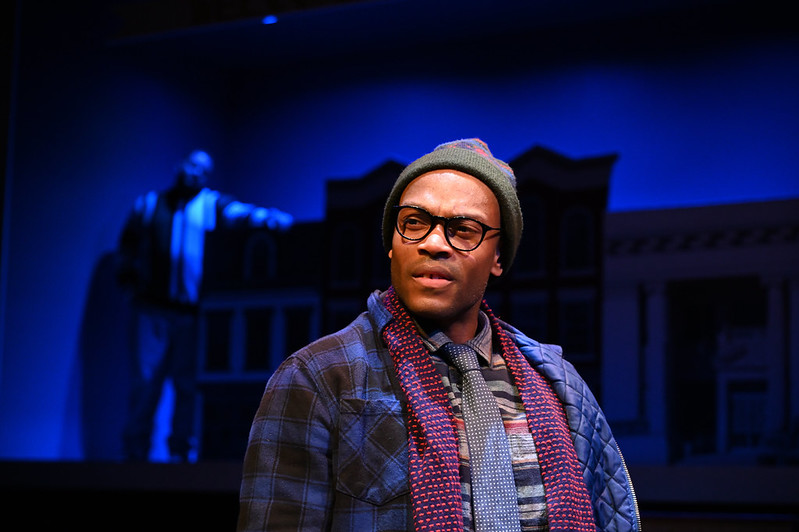
    The Wilbury Theatre Group (WTG) presents Octet, a chamber choir musical written and composed by Dave Malloy, known for his genre-blending, emotionally charged work. Directed with precision by WTG artistic director Josh Short, Malloy’s hauntingly original new musical features richly layered harmonies and intricate vocal arrangements plus a comical, intimate, and deeply moving exploration of human connection in the digital age. Malloy’s script and score offer an aching honesty, drawing the audience into a shared space where vulnerability becomes a means of survival, and connection is both the problem and the solution. It’s a modern take on human isolation and the possibility of redemption set against the backdrop of our digitally dominated lives. But what happens when the internet isn’t enough?

    Internet addicts gather in a support group called “Friends of Saul,” in a church basement room where they sit in a ring of chairs. Set designer Monica Shinn keeps the staging minimal, allowing the evocative music and sharp dialogue to lead. The octet share their stories, in a score for an a cappella chamber choir and an original libretto inspired by internet comment boards, scientific debates, religious texts, and Sufi poetry. Under the expert music direction of Milly Massey, the eight actors, each portraying a member of this unconventional support group, excel at balancing the technical demands of the score with the emotional depth of their characters. 

    Each character grapples with their individual tech-inflicted alienation. They are deeply flawed, and unambiguously human. The calmly resourceful leader of the group is portrayed by the exceptional Helena Tefuri. Each character seems trapped in a paradox — longing for connection, yet terrified of what true intimacy might demand of them — with none more anxious than Chelsea Aubert’s character. The other six navigating the complexities of their tech-saturated existence are deftly portrayed by Michael Yussef Greene, Alexander Boyle, Jason Quinn, Jenna Benzinger, Jason Cabral and Naomi Tyler. The ensemble’s voices blend seamlessly, underscoring the emotional turbulence of the group dynamic so incredibly well that their harmonizing alone is worth the admission.

    “Beneath its exploration of algorithms and dark-web rabbit holes, behind the jokes about Candy Crush and the ache of online dating, we’ve found Octet to be a moving meditation on longing — the longing to be witnessed, to be understood, to be connected in a world that keeps pulling our attention elsewhere,” says Short. “Every day, we negotiate an overwhelming swirl of pings, alerts, headlines, feeds. We immerse ourselves in our screens, hoping to make sense of ourselves through the chaos. In workshops and rehearsals, our ensemble has been navigating these questions right alongside the score — listening, responding, harmonizing, leaning into the vulnerability that the music and this story demand. And through this, with his signature wit and grace, Dave Malloy asks us to reflect on what we’re sacrificing to the glow of our screens. But it also asks something gentler: What might happen if we slowed down long enough to hear our own voices inside the noise? To connect and listen to the struggles of the people sitting just a few feet away from us?”

    As the play builds toward its cathartic climax, the characters are not only seeking a cure for their alienation, they’re searching for a way to reassert their humanity. The final somber moments of the production, delivered with haunting grace, serve as a warning as well as hope that, even in our most isolated moments, we are still capable of reaching out to each other. 

    Octet is a wonderfully executed exploration of modern life’s fractures that challenges, unsettles, and ultimately uplifts — the essential antidote to the noise and disconnection of our digital age. Short invites you to “settle into this experience the same way we did in the rehearsal room — with curiosity, openness, and the willingness to follow wherever the harmony leads. You may find yourself cracked open by a chord, startled by a confession, or unexpectedly moved by the simple reminder that we are all, in our own way, trying to reconnect.”

    Wilbury presents Octet through December 21. For more information, visit thewilburygroup.org/index.html.

  • THE TRIAL OF EBENZER SCROOGE

    THE TRIAL OF EBENZER SCROOGE

    The Curmudgeon strikes back!

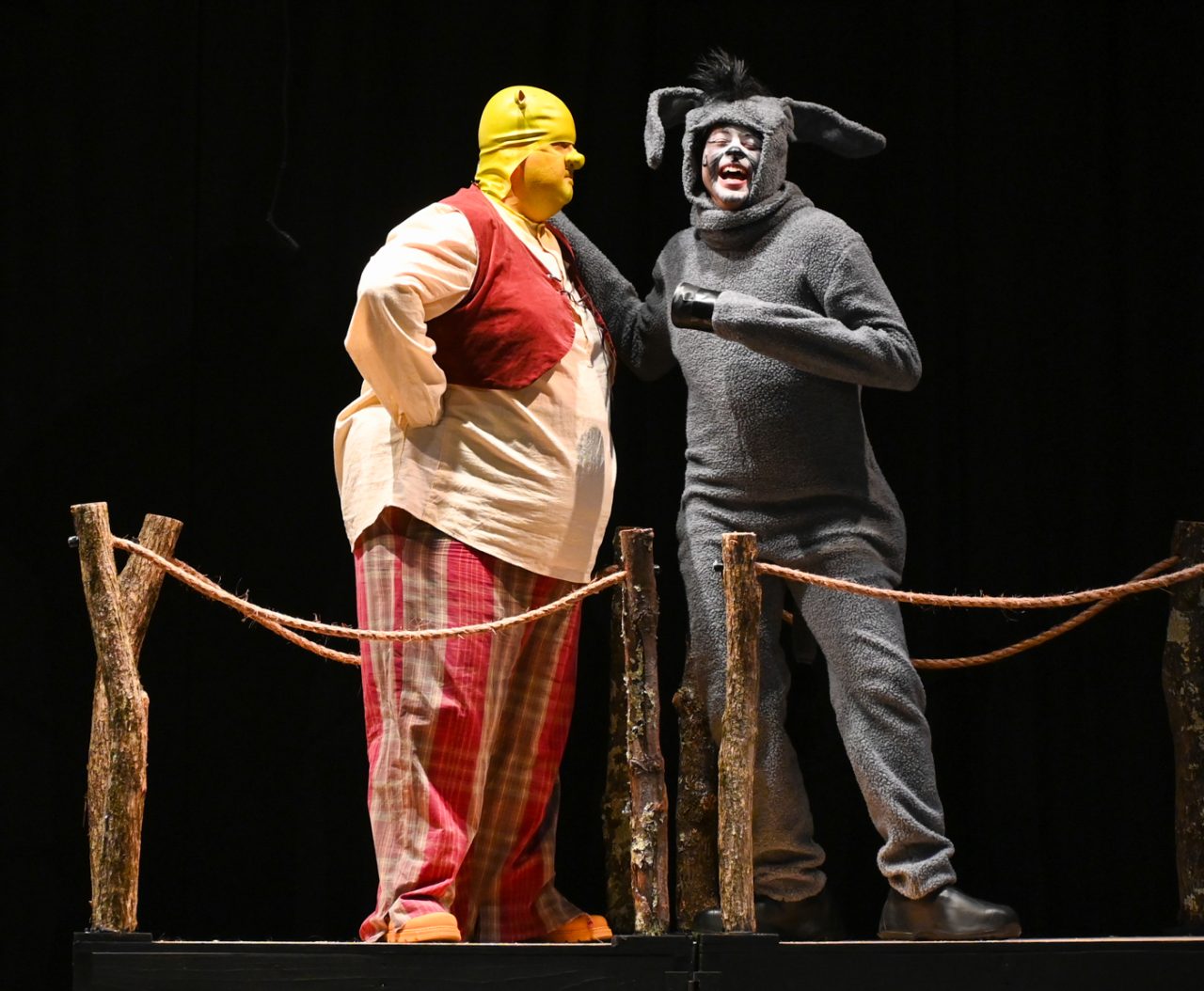
    There are few literary characters whose names have become synonymous with transformation as much as Ebenezer Scrooge. Charles Dickens’ miserly protagonist’s cold heart is warmed by three spectral visitors in A Christmas Carol, a holiday staple across stage and screen. However, in Mark Brown’s The Trial of Ebenezer Scrooge, now playing at Attleboro Community Theatre (ACT), the familiar tale is turned on its head, as Director Jeanne Smith offers this fresh, comically absurd perspective on one of the most well-known redemption arcs in literary history. 

    The premise of The Trial of Ebenezer Scrooge is delightfully brazen. Instead of following Scrooge’s journey from greed to generosity, Brown’s play imagines what happens after Scrooge’s transformation. A year later, the elderly miser has apparently reverted back to his old ways. He is suing Jacob Marley and the Ghosts of Christmas Past, Present and Future for breaking and entering, kidnapping, slander, pain and suffering, attempted murder and the intentional infliction of emotional distress. He himself stands trial for his various crimes, including years of misery inflicted on others and the sudden, seemingly suspect, change of heart that could have been motivated by some sinister cause. Is he truly redeemed, or was his Christmas Eve conversion just a momentary lapse in judgment?

    Smith brings an inspired, mischievous, energy to the stage. Set design by Tammy England is a minimalist courtroom with a wood paneling backdrop that echoes the Victorian era’s somber atmosphere while also creating a sense of foreboding. England, who co-directed, built the set along with her husband, Scott. Darlene Statkiewicz spent countless hours creating costume pieces to make everyone look authentic and amazing.

    The cast is adept at balancing the comedic elements of the script with the tension of the trial, and in doing so, manages to transform a potentially dry premise into a lively, engaging theatrical experience. The show opens with Newspaper Boy Skylar King (England’s son) announcing the big trial. News is carried through the streets by four orphans, who slyly toy with the audience as though they’ve been practicing for years. 

    Alex Aponte’s portrayal of Scrooge feels like a natural evolution of the classic character. The miserly curmudgeon of Dickens’ original is also a vulnerable old man caught up in the bizarre legal proceeding, unsure whether he’s being punished for his past or questioned for his newfound humanity. Aponte delivers a charming and earnest performance with such bold facial expressions, he effortlessly embraces the comedic absurdities of the courtroom drama as well as the emotional depth of a man still struggling with his own redemption.

    “We were blessed with a truly talented cast who were eager and excited to help us transform this hysterical farce into an outstanding comedy that will hopefully give you, our patrons, a rib-aching theatre experience!” says Smith. “This is my second time directing this show, and if you were lucky enough to have seen it in 2014, you may find some of the characters very familiar, as several of our actors were in the previous version. Several of our patrons kept suggesting that we do this show again, and so we took them up on it! We hope you enjoy it!”

    The cast adds flair to the show, with notable performances from Jim Cannizzaro as flustered Judge Pearson, and who better than ACT veteran Mark Carter portraying the spooky ghost of Jacob Marley, straddling the line between ethereal wisdom and dry humor. The interplay between all characters adds a comedic dynamism to the show that consistently keeps the audience engaged as the trial’s silliness escalates.

    Chris Sabatino is perfect as attorney Solomon Rothchild. His jolly courtroom antics make the play, backed by those of Mike Long as the Bailiff, Mr. Connolly. Alex Panagapoulos’s role as Christmas Yet to Come is so other-worldly, only the level-headed translator, portrayed by Ruthie Withers, can make sense of him, but we get the animated gist of it all with a laugh a minute!

    As with any courtroom drama, the real drama lies in the closing arguments, and the play’s resolution satisfies. This clever reimagining of Dickens’ tale challenges audiences to consider what “redemption” really means, and how we should approach those who seek forgiveness — or those who might be playing us for fools.

    The Trial of Ebenezer Scrooge is a playful, thought-provoking work that brings fresh life to a well-worn holiday favorite. There’s literally nothing stopping this smash hit from becoming a new classic! Brown’s script and Smith’s direction create a production that’s as funny as it is heartwarming, reminding us that even the most notorious characters deserve a second chance, while dropping a surprise or three along the way! Whether you love holiday classics or simply enjoy a good courtroom comedy, this production is a spirited reminder that even Scrooge, despite his flaws, can hold a place in our hearts this season. 

    ACT presents The Trial of Ebenezer Scrooge through December 14. For more information, visit attleborocommunitytheatre.net

    Photo by Dave Cantelli
  • A CHRISTMAS CAROL: Making Merry

    A CHRISTMAS CAROL: Making Merry

    Photo by Mark Turek

    Trinity Repertory Company presents its 49th annual production of A Christmas Carol, adapted from the novella by Charles Dickens, with original music by Richard Cumming. This year, the production is Co-directed by former Trinity Rep Artistic Director and Emmy Award–winner Richard Jenkins and acclaimed choreographer Sharon Jenkins. Due to ongoing renovations of the theatre, this will be the first time the beloved tale of redemption and joy plays in the intimate Dowling Theater. 

    Yes, it’s Charles Dickens’s classic through the familiar prism of regret, but with some sweet surprises, leaning into the familiar while offering a new groove and a lot more tidings of comfort and joy. This rendition of A Christmas Carol is easily the best this reviewer has ever seen, and there have been many! Kudos to Trinity for delivering an amusing twist on this classic, to which Dickens himself would give two thumbs up.

    As told by Trinity Rep, when the clock strikes midnight one fateful Christmas Eve, the curmudgeon Scrooge finds himself face-to-face with the ghost of his old pal, Marley. Through a supernatural journey, Scrooge must confront the past, acknowledge the present, and define the future for the good of the community — and his very soul. Resident company member Stephen Thorne returns to the role of Ebenezer Scrooge, which he last played in 2018. 

    “Richard and Sharon Jenkins are Trinity Rep royalty,” says the Laura H. Harris Artistic Director Curt Columbus. “Their intimate retelling goes to the very heart of stories being told around fireplaces at holiday time. And having Stephen Thorne leading the cast as Scrooge simply puts everything in place to have the most memorable, the most special, the most magical telling of A Christmas Carol in many years.”

    When Scrooge is pulled into memory he sees his crumbling future, and the hush falls heavy. Thorne inhabits the role of Ebenezer Scrooge, bringing fresh nuances to the weary miser. He is not only a curmudgeon but a man fatigued by his own choices. Scrooge carries memories unreleased, and the ghosts expose him, asking the question: what if he had listened? The answer comes in the way of impish geniality, connection and sincere charity. Versatile and expressive, Thorne handles the emotional range effortlessly.

    It is indeed magical — and even includes some sleight of hand! Magic designer Nate Dendy not only enthralls us with his adroitness, but also delights with clever, comical narrations, and playful antics as a young lad. It’s a small stage, so many of the players portray multiple roles. Design elements by Michael McGarty are beautifully deployed, adding to that feeling of being drawn into Scrooge’s inner world. Period costumes by Toni Spadafora-Sadler remind us it’s a Dickens piece, but with some modern accoutrements adding a bit of flair. Lighting designer Brian J. Lilienthal invites us in with festive illumination for a bustling, yet charming stage.

    Taavon Gamble is a treat as an exuberant Ghost of Christmas Present. The rest of the talented cast, including Alison Russo, Gillian Williams, Mauro Hantman, Kayla Bennett, Evie Dumont and Henry Nwaru round out a company that feels rooted and agile. Jeff Church as Bob Cratchit is especially nimble with his comedic acting.

    The children’s casts (there are two— red and green) feature local performers who charm the house in quiet, unassuming moments of youthful fear, hope and song. Music director James Woods and Sound Designer Peter Sasha Hurowitz dignify both the anxious and humorous moments with perfect timing and expressive accompaniment. 

    The most affecting moment comes not in the ghosts’ showy appearances but in the Cratchit family’s sense of community, kindness, and family tenderness in the face of hardship. The triumphs hide in the ensemble’s quieter beats, grounding the spectacle. The message that generosity matters remains unchanged. This is especially true as  — on opening night — 9-year-old Salvador Rivera Scotti as Tiny Tim (red cast) sends us home smiling with those famous words, “God bless us, every one!” then stuns with a soprano message at curtain.

    Dickens wrote in a time of moral imperative. Trinity Rep’s A Christmas Carol reminds us our time is one of moral urgency. Theatre can do more than just entertain. It can touch, stir, challenge, and make us chuckle. Yes, one more visit to this story is totally worthwhile. Here is a moment of quiet redemption, reflection, and the holiday spirit. Go and sit in the stillness as the magic unfolds. Watch what can still change — and help be the change. A Christmas Carol runs through December 31. For more information, visit trinityrep.com

  • KEEP ON LAUGHING: A Heartfelt Riot 

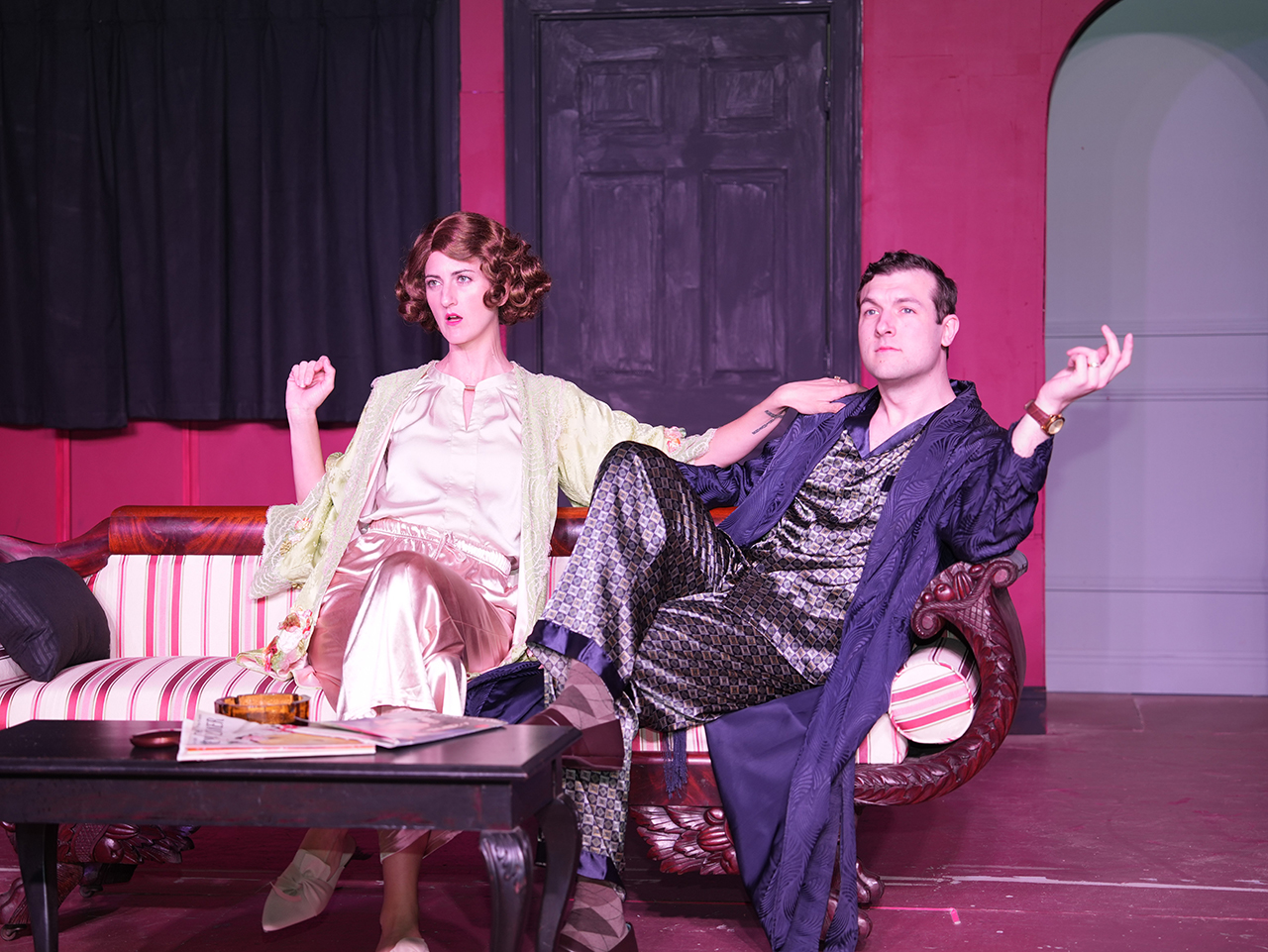
    The Arctic Playhouse has long been a gem of Rhode Island’s theater scene, and their latest production, Keep On Laughing, is a testament to the venue’s knack for blending humor with heart. Director W. Richard Johnson’s treatment of Paul Elliott’s play creates a “comfort-comedy,” delivering a freshness that keeps the evening from slipping into the predictable. This sequel to Exit Laughing brings back the zany ladies we fell in love with, now navigating even more outrageous circumstances. The result, reminiscent of “The Golden Girls,” is a laugh-out-loud look at judgment in a landscape colored with love and understanding.

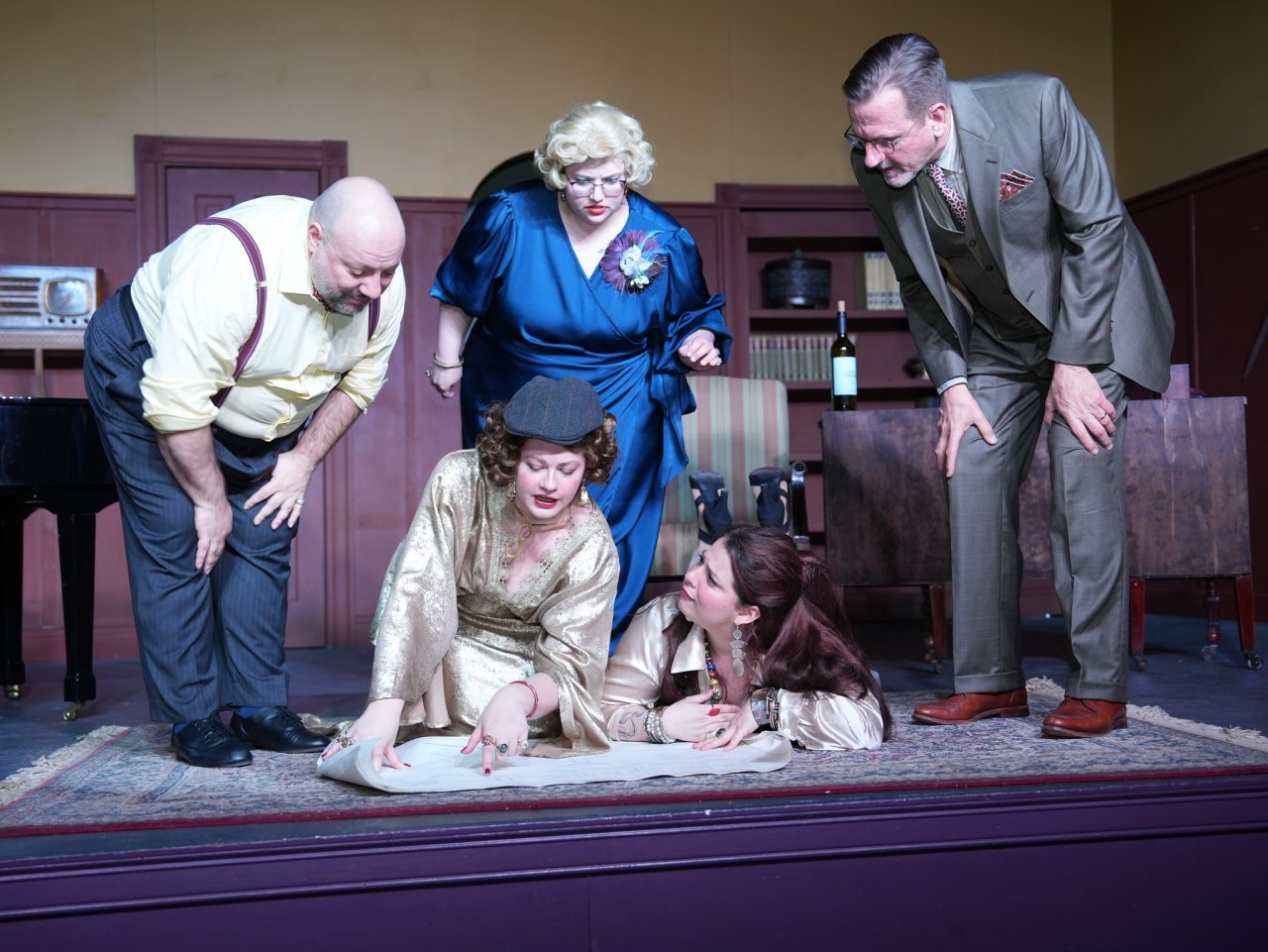
    According to Arctic Playhouse, the play picks up where its predecessor left off, with Connie, Leona, and Millie still as exuberantly chaotic as ever. This time though, the stakes are higher. Connie’s daughter, Rachel, has married her 28-year-old stripper boyfriend, Bobby, and the couple is expecting twins. The premise alone sets the stage for hilarity, but it’s the chemistry between the cast of six and their impeccable comedic timing that truly elevate the script. 

    The three friends return to Alabama after touring France, and one of their adventures has gotten out of hand. Level-headed Connie has met Michel, a charming Parisian, and he’s proposed to her. Everyone should be happy, but Rachel and Bobby are not, as Connie’s new boyfriend is nearly half her age. The familiar is here — the girls’ night out gone mad and the zany southern ladies’ world-travelling tales. Arctic Playhouse’s staging allows that familiarity to breathe as they discover the fun you can have looking at life in new ways.

    Lynda DiStefano, as Leona, is a comedic powerhouse, delivering one-liners with razor-sharp precision. Her physical comedy is equally impressive, eliciting laughter effortlessly. Sharon Johnson, as Millie, brings a sweetness to the group dynamic, her innocent naivety serving as the perfect foil to Leona’s brashness. Or as she says, “I do stupid with dignity!” Michel, portrayed by Graham Stokes, utilizes a convincing French accent while wooing Connie toward marriage.

    Karen Gail Kessler, as Connie, anchors the chaos with a performance that balances humor and vulnerability. Her scenes with daughter Rachel — dramatically played with charm and wit by Bailey BH Venditelli — are particularly moving, highlighting the complexities of the mother-daughter relationship with authenticity and warmth. Interesting to note, Rachel and Bobby — who gives us a wee tease of his pre-married life moves — are married in real life, with Austin Venditelli portraying Bobby. 

    This isn’t the only husband and wife team in the production, however. “Millie” is married to Director Johnson. He says, “The opportunity to direct my wife, Sharon, is beautiful. Sharon is not only a wonderful human being, but she sets the bar high for everyone around her — in her professionalism, her humor and her joie de vivre! You bring Millie to life beautifully, but better, you bring me to life every day.”

    Director Johnson deserves kudos for keeping the pacing tight and the energy consistent throughout. The transitions between scenes are seamless, and the comedic beats land with precision. The modest set design is charmingly detailed, with warm, homey touches that ground the play’s more absurd moments in a sense of reality, allowing the actors some space to shine, and they do! It’s a perfect backdrop for the whirlwind of emotions that unfold, a cozy space allowing the audience to feel like they’re sitting in Connie’s living room, sharing in the laughter and occasional tears. The production’s technical elements, from lighting to sound design, are understated yet effective, enhancing the storytelling without overshadowing it.

    The script is a delightful mix of sharp wit and heartfelt moments rooted in the characters’ relationships and the absurdity of their situations. From the first moments, the pacing flows just right as the cast honors the script’s rhythm with the double-take humor, rapid-fire misunderstandings, wisecracks and tender undercurrents, while also inviting nuance with moments of genuine surprise tucked in between the punchlines. There’s no diluting the delightful chaos the script unleashes.

    The three ladies build their comedic chemistry with practiced ease. You respect their long friendship, mid-life reckoning, and sense of family. Rachel and Bobby bring a youthful energy that offsets the older generation’s banter. Particularly effective is the moment when the older ladies reflect on the absurdity of life’s surprises. The spot-on comedic timing pauses and the audience shifts gears, as comedy is a means of illuminating the surprising turns life takes. 

    The Arctic Playhouse does much with a little, and this show is no exception. Keep On Laughing is a much-needed reminder of the healing power of humor and connection. This production will leave you grinning, maybe even wiping a tear or two. Treat yourself to 90 minutes of non-stop, heart-warming comedy that hits its mark, with an assured ensemble that knows how to deliver. 

    Arctic Playhouse presents Keep On Laughing through November 16. For more information, visit thearcticplayhouse.com.

    Photo (LtoR): https://newenglandtheater.blog/wp-content/uploads/2025/10/keep1.jpg?w=1024

    Pictured L to R: Lynda DiStefano, Karen Gail Kessler, Sharon Johnson, Bailey BH Venditelli, Graham Stokes, and Austin Venditelli.

  • HADESTOWN: Partying Like Hell

    HADESTOWN: Partying Like Hell

    The energy ignites the moment the Hadestown crew takes the historic Providence Performing Arts Center’s stage, as the musicians begin with the promise of myth re-imagined. As told by PPAC, Hadestown — the Tony-winning musical from Anaïs Mitchell and Director Rachel Chavkin — is the ancient tale of Orpheus and Eurydice, a Greek myth woven together with the story of Hades and Persephone, told with a modern folk-jazz sensibility that adds a pulse of current times. 

    Eurydice (Megan Colton), a starving young girl, goes to work in a hellish industrial version of the Greek underworld to escape poverty and the cold. Her journey into the underworld is heartrending, carrying both resignation and rebellion in her tone. Colton uses her powerfully sultry voice as the catalyst for the amazing sound behind the songs telling the story. Her poor, singer-songwriter lover, Orpheus, valiantly comes to rescue her. Orpheus (Jose Contreras) has a beautiful falsetto voice, a nice complement to Hades’ (Nickolaus Colon) beguilingly commanding baritone. You feel the heat delicately tinged with suffering when Contreras sings of cold deals and turning coal into currency.

    Rudy Foster’s grand entrance as Hermes, complete with zealously sly movements, mark him as the omniscient narrator. He guides us in and out of darkness with musical swagger reminiscent of The Big Easy, bridging worlds while reminding us that storytelling is how we make sense of the dark.

    You’re now in a world where the rails of industry click beneath the canopy of dreamers, where underworld contracts can hinge on a single song. The set, where a speakeasy warmly meets an industrial shaft, announces Persephone’s arrival with a lively, horn-driven “Livin’ It Up On Top.” The jazz-infused style makes you feel like you’re partying with players in N’Orleans. Namisa Mdlalose Bizana’s Persephone has a luscious tone, dazzling us with an alluring presence that glows under the minimal lighting. 

    Persephone, typically described as fun-loving and spirited, becomes jaded after years in the underworld. “She drinks for a reason,” says Bizana. “She is complicated, flawed, but when she sweeps in, she makes you feel special. Everyone wants to be around her. She feels deeply. She has a sense of justice,” especially regarding Hades’ treatment of his workers.

    The ensemble, consisting of the Workers Chorus and the Fates, provide gritty voices with robotic moves reflecting the show’s industrial heart. As the rhythms deepen into the clank and grind of labor, the Workers Chorus becomes a formidable presence, their robust voices rising like steam from furnaces, reminding us this production isn’t just about romantic love but rather power, contract and survival. Lighting by Brad Sievers brilliantly shifts the ambience into cold steel grays, cobalt, and copper. The set could use a bit more light above ground to lift the shadows, and perhaps more flora to contrast the underworld. 

    As the Fates, the Workers, and the lovers huddle in shared urgency, the minimal set sometimes feels congested. We initially see Hades seated at a bistro table on a Parisian-styled balcony, watching the happenings in his dimension. Musicians are seated stage left and right, ever-present throughout the production. While it’s a refreshing change to see the orchestra above ground, it leaves us wishing for a less-congested setting change for Act II. Still, this production retains the heart and soul of Broadway as the above-ground world is transformed into the subterranean factory of Hadestown. 

    What gives Hadestown its power is the resonance of its themes: the contract we make for love, the deal we strike for security, the cost of forgetting our songs. In these current times, when labor, environment issues, and inequality often rear their ugly heads, the show’s symbolism can feel desperate. The Workers Chorus’ memorable dance sequences strike a spike into the heart. The cyclical journey from spring’s new birth to underworld labor echoes a desire for badly needed resumption.

    There were occasions when notes dropped off, and plot clarity was lacking. If unfamiliar with the myth, you might find yourself listening to the beautifully powerful voices, watching the brilliant choreography intently, yet finding the storyline hard to follow. There’s wondrous meaning to the magic, we just don’t sense it otherwise.

    With its compelling cast, immersive world, and strong angelic vocals, Hadestown is a meaningful, action-packed show. True, there are some compromises, but you can sense its heavenly heart if you allow yourself to be pulled into the hellish industrial world.

    PPAC presents Hadestown through November 9. For more information, visit ppacri.org.

  • CARRIE: THE MUSICAL: Hell is a Teenage Girl

    CARRIE: THE MUSICAL: Hell is a Teenage Girl

    Photo by Bob Emerson

    The Community Players’ new production of Carrie: The Musical, directed by Morgan Salpietro, with book by Lawrence D. Cohen based on the novel by Stephen King, captures both the unsettling undercurrent of King’s story and the brave heart of community theatre. The music by Michael Gore, with lyrics by Dean Pitchford, certainly adds to the tragic and, at this point, iconic visceral poignancy. Some themes never die. This story addresses cruelty, isolation, and the terrible beauty of transformation which, in this staging, feels urgent all over again with current updates. The students openly curse, disrespect teachers, and of course carry cell phones. OK, maybe just the cell phones are new.

    Salpietro says, “When I first thought of directing Carrie: The Musical, one quote stuck out to me, ‘Hell is a teenage girl.’ The intensity of emotion and insecurities one feels at 17 are so strong. Add in religious trauma and telekinesis, and you have a perfect storm for total destruction. And that destruction is what is remembered. Ultimately, it’s Carrie’s anger and response that defines the show, and not the mistreatment leading up to it.”

    You sense the cast’s belief in what they’re doing. That shared heartbeat is what this production does best. At the center is Maddy Cardona as Carrie White, a performance as fragile as it is ferocious. Cardona’s stillness in early scenes says everything about a young woman who has spent her life apologizing for existing. When her powers begin to surface, that same stillness trembles and cracks. By the time the prom stage has her bathed in crimson, she’s incandescent, allowing Carrie’s hurt to simmer into fury — an emotional payoff that feels as earned as it is tragic. She does this with a dynamically powerful voice as vulnerable as it is vengeful.

    Opposite her, Rebecca Kilcline as Margaret White — Carrie’s mother — is mesmerizing. Kilcline’s beautifully operatic energy fills the small space, finding moments of heartbreak in Margaret’s misguided faith. Their scenes together — particularly the haunting “When There’s No One” — are the emotional spine of the production. 

    The supporting cast shines with refreshing conviction. Bryce Gray brings warmth and a welcome sincerity to a role that can easily feel like a plot device, while Aurora Dube as Sue Snell balances guilt and hope with deft control. Kate Landino’s Chris Hargensen nails the mean-girl venom, leaving room for the insecurity beneath the malevolence. Her chemistry with Matthew O’Brien’s swaggering Billy Nolan fizzes with malice. The role of Carrie’s Chorus is typically cast with three actors, but Addison Eaton auditioned as such a force, she was granted the role all her own. 

    Visually, the show succeeds with understatement. Set designer Dillon Bates opts for an elevated T-shaped staging that seamlessly serves for school rooms, kitchen and prom. Lighting designer Maddie Laxo creates a simple, stark atmosphere, especially for the climactic blood scene.

    The ensemble maintains tight harmonies under music director Joseph A. Carvalho, who keeps the score energetic. Choreographer Sara McCormick uses the small stage smartly, allowing the gym and locker-room scenes, where tension and rhythm merge, to become a more personal space.

    “I love this musical for all its campiness woven in with heightened feelings and honesty that come with being a teenager,” says Salpietro. “It’s been exciting to work on this show with a cast ranging in ages and exploring how each of us relate to the feelings of rage, not being enough, and attempting to fit in and belong. This show has been a joy to direct and I’m thrilled to share our production of Carrie with you!”

    The Community Players’ Carrie may not have Broadway polish, but it does offer emotional truth and creative nerve. Come see for yourself!

    Jenks Community Players presents Carrie through November 16. For more information, visit thecommunityplayers.org.

  • Witching Hour Social Club: Inviting you back into the circle

    Witching Hour Social Club: Inviting you back into the circle

    The Burbage Theatre Company has conjured a work of sinister magic which begs the question, will you stay once the hour has struck? There’s a mesmerizing fire-crackle sound to the stage as though the air itself is charged with anticipation— and perhaps something more arcane. The lights dip, the hush deepens, and you remember you’re about to watch a play. Witching Hour Social Club, by James Lucey and directed by Allison Crews, invites us into a clandestine space where the communal and the occult quietly merge. A sort of fellowship of characters, each with secrets, each drawn to the same midnight hour in hopes of transformation— or escape.

    According to Burbage, this play is largely inspired by classic horror anthologies like Creepshow, Tales from the Crypt, Buffy, and of course, Are You Afraid of the Dark? It’s been developed as a sort of experiment to test the potential and possibilities of the horror genre in live theatre. The format allows for the stories to be switched out each year for a new experience. This monster mash of gory tales, told with axes and blood spurts, starts with a campy reunion as two estranged friends meet in the woods at night to revive their high school storytelling club. As they wait in hopeful anticipation of more friends, they pass the time listening to cassette tapes of old club stories. But there’s more on the tapes than base spooky stories. A chilling turn occurs when the tales begin to manifest in their realm, blurring the line between childhood memories and menacing reality.

    “Each story is a little bit different by theme,” says Crews. “There’s a lot of comedy in it, and it is fun-scary, but there are some genuinely scary moments, you know with the sound, and the music and things like that. We have most of the same cast from last year, but they’re all switched in different roles, so it’s also fun to see how that changes the story, depending on who’s playing that character, and just all the different possibilities. So that’s been really fun, and then figuring out all the tech stuff has been crazy.” She adds, “James Lucey is a genius writer, and the way that he switches back between sort of silly/playful, and then like, realism— of the people that are by the campfire. It’s really cool.”

    According to Stage Manager Devra Levy, “Each story is kind of referencing a different genre of horror, a different time period and, like Allison said, there are some new stories. So if you saw it last year, you’re in for something a little bit different, so definitely come back!”

    “There will be blood— but it’s not real!” Levy adds. “We have to cook up a batch of about 12 to 15 cups for every performance. It’s mostly water and food dye. There’s a little bit of corn starch to thicken it. Traditionally, theaters will use corn syrup, but that’s very sticky, so we went with something else for this one, and then we put a little bit of chocolate powder in there, and some soap so it washes out of the costume.” 

    Production Design by Trevor Elliott has the set dressed in graveyard greys and flickering lanterns. Smoke drifts into the audience, immersing us in the club rather than watching from afar. It’s eerily unsettling in the best way, especially when you add the menacing sound design by Paul Medeiros. Kudos to Brittany Costello (ATD/props) for the fun and creepily realistic props. Specialty props designer Grey Rung has created some brilliant pieces, greatly adding to the intrigue of this production. Especially cool is the vampire skull complete with spinal cord tissue. It’s so horrific, you can’t help but laugh!

    The ensemble interplay is seamless. There’s a harmonious cadence to the entrance and exit of members, the passing of rituals, the exhalation of ghosts. With lights low, the audience leans forward, pondering what will happen next. Pacing lags a tad in the second act when futuristic procedures hang expectantly without gratification, but the momentum returns as something shifts at midnight. 

    Don’t go to Witching Hour Social Club expecting a simple witches and demons fantasy. What you’ll find instead is a mirror reflecting our terror of exposure, as Witching Hour Social Club underlines the human desire to belong— and the price we pay when we do. Belonging is a primal need. You belong here— blindsided into laughter at the gruesomely absurd, just in time for Halloween thrills and chills! Burbage features Witching Hour Social Club through November 2. For more information, visit burbagetheatre.org.