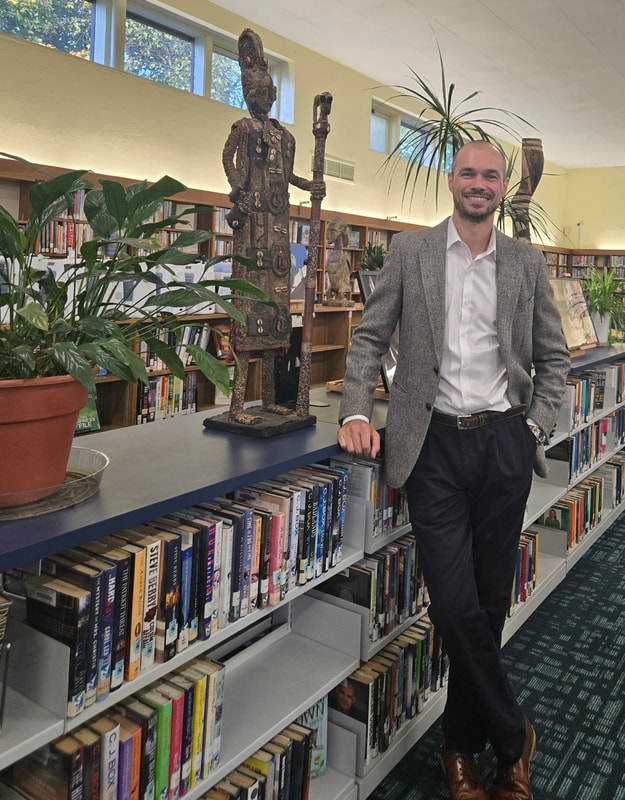
The newly established Museum of Fine Tribal Art, MoFTA will host high-quality tribal art and is currently freely accessible to the public. Tribal art is the visual art and material culture of indigenous peoples, encompassing diverse forms like pottery, textiles, sculptures, painting, and masks (my favorite!). Masks are art and spiritual tools vital to continuity and understanding the cosmos. Masks are powerful symbols of identity, authority and community well-being in tribal art. Tribal masks are sacred conduits between the physical and spiritual worlds. Their significance is known for embodying ancestors and deities in spiritual rituals, ceremonies for birth, death, initiation, harvest, education, and maintaining social order. The wearer is represented by the masked entity to connect with the divine power, offering protection to the wearer, or teaching community values. Tribal art is often seen from communities in Africa, North and South America, Asia, and the Oceania cultures. Designed in bold patterns and symbolic meaning, known as ethnographic art.
Works from the collection are available year-round and offer institutional loans to museums, libraries, galleries, and educational organizations. Loans are contracted one to three months at a time.
MoFTA is a personal collection designed and curated by Dr. Justin Bibee. Bibee is a collector of ethnographic art and spoke with Motif about his intellectual journey of discovery through tribal cultures, ethnographic art, and antiquities.
Kelly Marino (Motif): What are some of your roles that underscore your expertise in tribal art?
Justin Bibee: I approach tribal art as someone who deeply appreciates it. My connection to these works grew from years of humanitarian work. In 2020, I created the Justin Bibee Collection to bring together the works I had collected over time and to share them in public spaces like libraries and schools. That grew into founding the Museum of Fine Tribal Art in 2025, with the goal of expanding access and securing a permanent home for the collection. While we do not yet have a permanent space, we remain committed to sharing the art through partnerships with libraries and community organizations, keeping the art accessible, visible, and connected to the community.
KM: As the founder of MoFTA, how do you preserve the artwork and artifacts?
JB: The collection is securely stored in storage, and many pieces are placed in year-long exhibitions throughout the state. This allows us to both protect and share the art. Creating MoFTA as a formal nonprofit allows us to pursue funding which is essential to preserving these works. Many of the pieces carry deep cultural, historical, and spiritual significance, and we take their care very seriously.
KM: How do you research the history of ownership (provenance) for objects from communities with complex histories?
JB: I work with interns and together we reference publications and comparable works in other collections. Complete information isn’t always available, especially for works from regions affected by conflict, and it’s important to acknowledge what we don’t know.
KM: What methods do you use to bridge the cultural and chronological gap between creators and modern audiences?
JB: One of the most effective ways we connect audiences to the art is by bringing the works into spaces where people already gather. Rather than keeping museum-quality art in a single, formal institution, we place pieces in public spaces. This makes the art more accessible in everyday life. By lending works for long-term exhibitions across the state and region, we ensure that the art is seen, appreciated, and woven into the community, allowing audiences to engage with each piece.
KM: How do you select objects for display, and what factors (size, fragility, story) determine what stays in storage?
JB: New acquisitions, current events, cultural holidays, or heritage months often inspire exhibitions. Practical considerations, like size and fragility, also play a role. Some works require special care, controlled conditions, or specific mounting, which can affect when and where they are displayed.
I believe every piece deserves to be appreciated and studied and my goal is to rotate the entire collection.
KM: What narratives are missing in museum collections of tribal art, and how do you plan to address them?
JB: I have tremendous respect for the work that museums do with the resources they have — they care deeply for the art and work hard to preserve and share it. At MoFTA, we try to complement that by bringing art directly to people in libraries and community spaces. The goal is to create opportunities for people to encounter and engage with the art in familiar spaces.
KM: What is the most surprising thing you’ve learned about culture through its art in your career?
JB: The most surprising — and humbling — lesson I’ve learned is how deeply similar we are across cultures.
Fine tribal art includes sculptures, masks, prints, jewelry, weapons, and clothing from early centuries to contemporary times. MoFTA reflects on a wide array of human creativity and cultural expression. MoFTA’s mission is to make significant works of tribal art accessible through institutional partners. Find more info at mofta.weebly.com