If you meet a member of the Narragansett Indian Nation, they will likely greet you with the phrase, “Asco wequassin.”
Pronounced “ahs-co wee-kwah-seen,” the words mean hello or, in other circumstances, are used to greet the light of day.
The Narragansett Indian Tribe is a federally recognized nation of roughly 2,400 members whose name means “People of the Small Point.” They are the first people of this land we now know as Rhode Island and their oral histories establish their existence since time immemorial. Currently, their administrative offices are in Charlestown, RI.
The first European contact with the Indigenous Peoples happened in 1524 when Giovanni de Verrazano discovered and described a large population of them organized under powerful “kings.” In 1636, the Narragansett Sachems allowed Roger Williams land use rights in Providence.
Many of them refused to submit to the colonists and retreated deep into the woods to the southern part of RI, an area which now is their Reservation. The Tribe by custom had winter and summer homes and many places of worship. In winter, up to 20 families lived in a long house. In summer, they constructed Wigwams by the water, made of bark outside and mats inside. Since 1983, the Narragansett Tribe, a Sovereign Nation, is a Federally Recognized Tribe.
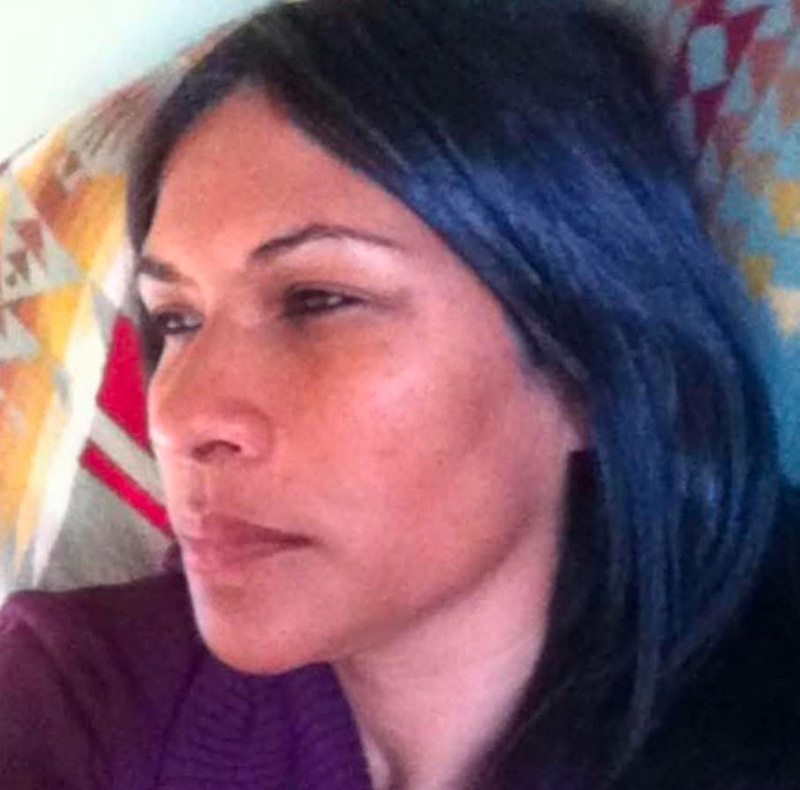
Bella Noka, a Narragansett Tribal Elder and civil rights activist, recently spoke with Motif about their most important issues today. Things have changed a great deal since the Tribe’s early history, but not enough. As with other communities, understanding is a major point of tension. “We were the first people here, and we want to be understood using our own words,” she said. “We predate all laws. As the first people, we were forced to learn another language and were kept from ours. It’s time that you learned some of ours.”
Noka says they should be obtaining some of what formerly belonged to them. “There is nothing that you can give us, but there is much you can return, what was taken. It’s the fault of the institutions. They came and raped our land and continue to do so. We have no true access to waterfront land for ourselves, our ceremonies.”
There is a certain distaste for the word “erasure.”
“That means they are removing the identity of a people, our light, our purpose. It’s a type of political genocide, literally erasing the true history of our people. They were unable to get rid of us all physically, so they did it politically and economically, even taking our lands. And they are still doing it today.”
“If the land remained in the right hands,” she said, “Mother Earth would be in balance, and this would benefit not just the Narragansetts, but all people.”
Ceremonies such as burials, sacred rites, and pow-wows are difficult to maintain when some locations disappear. The four elements are crucial to keep life in balance.
“First there is Mother Earth, which is the land,” she said, where things grow and make life fruitful. “Further, we pray to Grandfather Ocean, speak the ceremonial language of fire, and feel Spirit in the wind. These are all our connections to our religion and the Spirit World.”
“This is our way,” said Noka. “Without one of the four we are out of balance. The absence of only one, no matter which one, makes a difference.”
As to freedom of religion? “The US Constitution protects freedom of religion, but not for all, including the Narragansetts. And that is very important to everyone, including us,” she said.
The Narragansetts hold close, deep spiritual traditions. Those include hosting North America’s yearly pow-wow, the 352nd meeting of which was held in August 2026. Historically, the Tribe offered protection to smaller tribes which paid tribute to the Narragansetts in return. They have fought in every war since the US Revolution and focus on values such as education, culture, and family life within the community.
One word which many Rhode Islanders will recognize but perhaps not know hailed from the Narragansetts? Quahog.