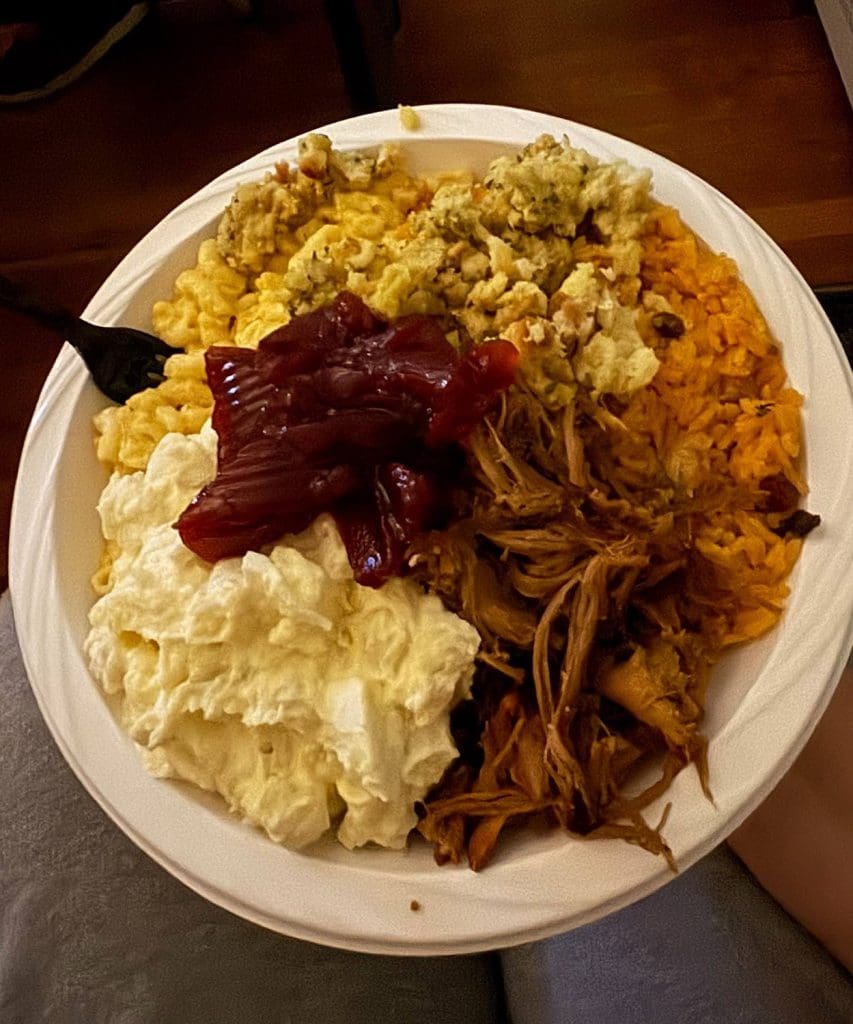
Thanksgiving is an iconic holiday in America, where Americans gather with friends and family to share a feast. We share recipes, gratitude, stories, childhood memories, and the good old days. We are all familiar with the classic Thanksgiving meal; we have a Butterball turkey, stuffing, mashed potatoes, corn, casseroles, cranberry sauce, and more. Just listing these foods, I’m sure, makes your mouth water. But Thanksgiving looks different for many Americans, with a cuisine made up of foods you most likely never heard of. We accept tradition and enjoy trying new delicious meals, a melting pot where we enjoy our own culture and delight in other cultures. For Americans with Hispanic heritage, these Thanksgiving meals can feature very different foods than a simple turkey and mashed potatoes.
Pernil is a dish just as delicious and filling as the classic turkey. Pernil is a Spanish word translating to leg, although the dish itself is typically roasted pork shoulder. This holiday meal staple is widely eaten in homes of Puerto Rican, Cuban, Dominican, and other heritages. It is specifically reserved for holidays or special occasions – the making of a delicious pernil is a long and difficult process for those who aren’t well versed in the kitchen and Latin American magic. The process begins the day before, when the meat is prepared and seasoned with a wide variety of flavors and seasonings, including sofrito and adobo. These flavors are stuffed in small incisions within the pork shoulder, and slow-roasted overnight in an aluminum tray of pure delicioso.
Another staple to many Hispanic households is arroz con guandules, otherwise known simply as yellow rice with pigeon peas. This dish is made more commonly than pernil and is sometimes used as a regular dinner after a long day at work. The recipe calls for rice to be boiled in a pot with pigeon peas, sofrito, sazón, and other ingredients. The rice itself turns a deep yellow, and is a great complement for the savory taste of the pork.
A third side dish that’s vital to many Hispanic households is ensalada de papa, which is simply potato salad. Traditionally, the potato salad is made with beets and has a pinkish color to it, although many households forgo the beets and instead add other ingredients. The potato salad itself is made with potatoes, eggs, salt, and a dash of vinegar. Aside from the beets, sometimes carrots or even apples are added into the mix for a sweet, juicy crunch. Or, you can forget all the additives and simply mix it with the pernil. The tangy taste of the potato salad plus the juicy saltiness of the pernil combine in an absolute party of flavors in your mouth. Bonus points if you mix it all up from the week’s worth of leftovers households often have.
Plátanos maduros is a popular side for both holidays and a standard dinner. Maduros is sweet, caramelized fried plantains, and is made once the plantains are brown and sweet. The plátanos can be fried while still green to instead make tostones, which has a potato chip consistency. Either way, it goes great with the rice, or just any dish.
After a big Thanksgiving dinner comes dessert, and many Hispanic households have their own sweet treats to share. Flan is the most famous dessert for a Hispanic holiday: a cold and jelly-like custard with a deep brown caramel sauce on top. Making a flan is difficult and can easily be over or undercooked, but when done right, it’s a perfect way to end a big Thanksgiving dinner. Another option for a dessert is tres leches, which translates to “three milks,” and is a fluffy sponge cake soaked in evaporated milk, condensed milk, and whole milk. It’s typically made the day before to allow the milk to soak in and cool off the cake. Then it’s topped with a thick layer of whipped cream and garnished with a cherry on top for the final finish.
It’s important to note that not all Hispanic households are the same and oftentimes have different dishes with their holiday meals. With such a wide variety of foods and flavors, it’s difficult to leave Thanksgiving in a Hispanic household without a full stomach, and a good case of the itis, most commonly known as a food coma. Regardless, the holidays, like any culture, are an important part of the year, filled with food, laughter, and love. The beauty of America is this love can take many forms, whether that’s through a turkey, ham or, of course, pernil.