Author: Grace Hyde

  • Cannabis Seeds: Choosing the Right Product

    Cannabis Seeds: Choosing the Right Product

    Thanks to numerous cannabis breeders, the home grower now has a plethora of strains from which to choose. There are a handful of fundamental breeding strains (Northern Lights, Haze, OG Kush, Skunk #1 and Chemdawg) that are part of the parental cross of most modern strains. Before choosing seeds to purchase, growers should do some research on the strains that they are interested in to learn about the conditions and environmental controls required for the plant. Some strains are better suited to indoor grows (like a short, squat indica), and some are more suited to an outdoor garden (like the tall, lanky sativa). Websites like Leafly and Seedfinder can help you select strains that will perform best in your space.

    Once you’ve decided on a couple of strains, the next choice is whether to buy regular or feminized seeds. Feminized seeds have been bred to have no male chromosomes, and will produce only female plants. This can be great for growers looking to reproduce their plants with vegetative propagation (ie, taking cuttings). However, feminized seeds have a higher likelihood of producing hermaphroditic plants, or plants with both male and female flowers that can be full of seeds. This lowers the value of the plant when you are growing strictly for consumption. Some growers choose to buy regular seeds and keep some of the males to create their own strain crosses, and replant the seeds collected from the pollinated females.

    Sourcing your seeds is the next step. If you live in a state that sells seeds through its medical or recreational dispensaries, that’s a great place to pick them up. Some states also allow patients and caregivers to sell or donate seeds to each other. Another option is to purchase your seeds from online seedbanks. The laws around purchasing seeds in the US aren’t super straightforward. Purchasing seeds by mail domestically is strictly illegal; however, there are several large reputable companies that ship to the US from overseas with a good level of success. Your seeds are at risk of being seized by customs officials who will just throw them away and send you a letter stating that you violated customs laws. Should this happen, some seedbanks are kind enough to send you a replacement. Some popular online sites are Attitude Seedbank and BC Bud Depot, shipping from the UK and Canada. Possessing seeds is still illegal under federal law, and not all states with medical or recreational legislation allow home cultivation, so deciding to take this step can certainly incur risk.

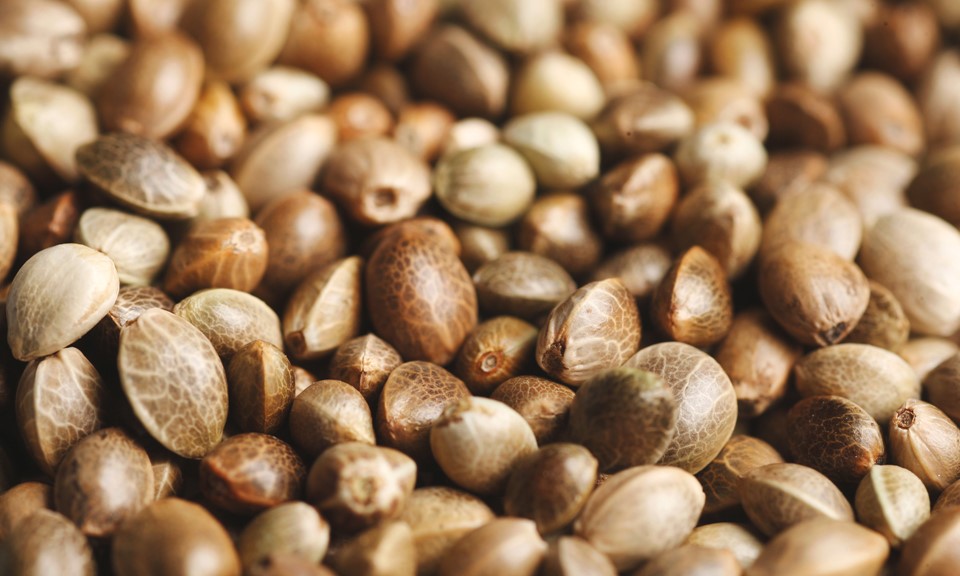
    Once you’ve purchased your seeds, the last step before planting is examining your seeds. Make sure they are dark brown in color; some may have stripes or splotches of tan or black. Pale or green colored seeds are likely not viable. Check the size of your seeds. Indicas will be a bit larger with some dark stripes, and sativas will be somewhat smaller in size and uniformly colored. Lastly, your seeds should have a hard outer shell; seeds that are soft or damaged aren’t likely to germinate or be hardy if they do. Growing from seed comes with its challenges, but can also be extremely rewarding.

  • St. Potrick’s Day Recipes

    This St. Patrick’s Day, give your liver a break and get festive with some cannabis-infused treats instead! Invite friends over for a different kind of “green” celebration before attending your local parade!

    Crockpot Beef and Stout Stew with Cheddar Biscuits

    Ingredients:

    2T olive oil

    4 lbs beef chuck in 1.5-inch cubes

    ¼ cup flour

    2 6 oz cans tomato paste

    2.5 lbs new potatoes

    2 medium onions, cut into 1-inch pieces

    10 garlic cloves, minced

    28 oz beef broth

    1 can (14.9 oz) Irish stout beer, such as Guinness

    2 packages (10 oz) frozen peas, thawed

    Biscuits:

    1.5 cup flour

    ½ tsp garlic powder

    ⅓ cup cannabutter

    ¾ cup shredded Irish sharp cheddar cheese

    ⅔ cup milk

    2T chopped chives

    Toss beef with flour. Heat olive oil in saute pan over medium heat and sear beef until browned. Add all soup ingredients to slow cooker, and cook on low for four hours. For the biscuits, combine flour and garlic powder. Cut in the cannabutter and incorporate the cheese. Add milk, and roll the dough into balls. Place biscuit dough onto the surface of the stew in the last 20 minutes of cooking, and cover.

    Colcannon

    Ingredients:

    1.5 lbs russet potatoes, peeled and quartered

    1 savoy cabbage, shredded (about 4 cups)

    1 leek, white and pale green parts diced

    1 cup milk

    4T cannabutter

    ¼ tsp grated nutmeg

    Salt and pepper to taste

    Preheat broiler.

    Place potatoes in saucepan and cover with salted water; bring to a boil. Cook until fork tender, about 15 minutes. Drain and mash.

    Meanwhile, combine cabbage, leek, milk, 2T butter and nutmeg in a separate saucepan. Cook over medium heat until vegetables are soft. Mix into potatoes.

    Spread mixture in 8×8 baking pan, creating a well in the center. Place under broiler until lightly browned, about 5 minutes.

    Remove from broiler, add remaining 2T cannabutter to well.

    Serve as butter is melting and spoon it on top.

    Chocolate Stout Cupcakes

    Ingredients:

    2 cups flour

    2 cups sugar

    1 tsp baking soda

    1 tsp salt

    1 cup cannabutter

    ⅓ cup cocoa powder

    1 bottle (11.2 oz) stout, such as Guinness

    2 eggs

    ¼ cup sour cream

    Frosting:

    16 oz cream cheese, softened

    1 stick unsalted butter, room temperature (use infused butter for extra punch!)

    2 cups confectioner’s sugar

    1 tsp vanilla extract

    Preheat oven to 285 degrees F. Line two 12-cupcake pans with paper liners.

    Mix flour, sugar, baking soda, salt. Set aside.

    Melt butter, add cocoa powder and stout. Whisk. Bring it to a boil over medium heat, whisking occasionally.

    Mix the wet ingredients into the flour mixture. Add eggs and sour cream.

    Divide the batter into the cupcake tins. Bake 25 mins or until tester inserted comes out clean.

    Frosting:

    Combine butter and cream cheese, beat until fluffy. Add sugar and vanilla, combine. Frost cooled cupcakes, and enjoy!

  • Cannabis and Holistic Medicine

    Cannabis and Holistic Medicine

    Many medical cannabis patients believe that cannabis is best used in harmony with other practices because the entourage effect (the interactive synergy between cannabis compounds) that happens within the cannabis plant extends to other practices of healing. In a culture in which self care is becoming increasingly more of a focus, incorporating cannabis into your daily rituals of health maintenance can dramatically effect your well-being.

    Yoga

    Incorporating cannabis into your yoga practice can help you relax, ease pain and stiffness, and possibly reach greater enlightenment. If you are comfortable with edibles, they can be a great way to achieve time-released effects throughout your session. Otherwise, an indica strain will deliver a relaxed body high, perhaps mixed with a high CBD flower for additional pain relief.

    Meditation

    Using cannabis to enhance meditation has been practiced for a long time in South Asia, including in the meditative practices of Buddhists, Naths and Shaivites, among others. Cannabis affects Marijuana-and-meditationeveryone differently, and knowing how your body reacts is essential before beginning this practice. For example, if you know consuming too much can leave you feeling paranoid, you may want to indulge with a lighter dose. However, done properly, cannabis can help reduce mental distractions and enhance concentration.

    Bath and Body

    Dedicating time to the maintenance of your physical body is just as important as maintaining your mental and emotional health. Cannabis-infused massage can be remarkably more effective than traditional massage in loosening  muscles and easing aches and pain, and it feels good for the masseuse’s hands, too! Products for the tub, like infused epsom salts and bath bombs, are great for a long soak; the cannabinoid receptors in your skin soak up all the medicine in the tub. Infused lotions and salves are also a great daily ritual; the THC and CBD in these products alleviate joint pain and skin conditions like eczema while you pay attention to your body.

    Realizing the power of cannabis on these practices, one spa in Denver has submitted an application for public consumption. Utopia All Natural Wellness Spa and Lounge will be the first weed spa in the country, where customers can enjoy “cannabis infused massages, ganja yoga and other cannabis-friendly activities to patrons 21 and older, as well as meditation coaching, educational seminars and patient support and networking groups.” The spa also plans to offer cooking classes as well as retreats and private functions. Patrons will not be able to purchase cannabis products there, but are welcome to bring and enjoy items purchased at a Colorado dispensary.

    Healing Tattoo Balm

    2 oz shea butter

    1 oz cocoa butter

    1 oz beeswax

    1 oz cannabis-infused coconut oil

    1 T vitamin E oil

    Melt butters, beeswax and coconut oil together over low heat until blended. Remove from heat and add vitamin E. Store in a glass container, covered. Use within three months or refrigerate for up to six months.

  • Cannabis: Governor’s Budget

    Cannabis: Governor’s Budget

    In the recently released copy of Governor Raimondo’s budget, many changes to the state’s medical marijuana program were proposed. While these proposed changes will more than likely be altered, they offer a glimpse into the state’s vision of the future of marijuana. If approved, the changes will go into effect July 1, 2018.

    Acute Pain

    The condition of acute pain has been added to the list of qualifying conditions, with a maximum card expiration date of six months. Patients receiving a card under this qualification may not register or appoint a personal caregiver or authorized purchaser, or purchase plant tags to grow themselves, leaving them with the only option of purchasing from compassion centers. This addition will be a big deal for patients recovering from surgery; many surgeons and physicians don’t feel comfortable signing the paperwork for a medical marijuana card if they know their patient’s pain will be temporary. This offers patients an alternative way to manage their post-op pain, and will be a relief for many because of the current opioid epidemic. The budget’s definition of acute pain is as follows:

    “the normal, predicted physiological response to a noxious chemical, thermal or mechanical stimulus and typically is associated with invasive procedures, trauma and disease. Acute pain generally is resulting from nociceptor activation due to damage to tissues. Acute pain typically resolves once the tissue damage is repaired. The duration of acute pain varies.”

    Patient Plant Count and Limits

    Patients were previously allowed to have 12 plants in the vegetative phase and 12 in the flowering phase, as well as up to 2.5oz of dried usable marijuana flower, or equivalent in concentrates or edibles. The proposed budget would reduce plant counts to eight vegetative and eight flowering, but increase the dried flower limit to 3 ounces.

    Manufacturer Licenses

    Under the budget, a new license class would be created. Manufacturers would be able to purchase bulk marijuana flower or trim from cultivators for the purpose of manufacturing and extracting. These groups would produce edibles and concentrates like CO2 oil.

    Compassion Centers

    According to the new budget, the state would approve 12 new compassion centers, bringing the total up to 15. Even if the final budget cuts this increase in half, it will still be a huge service to towns in western Rhody where some patients have to drive more than an hour to get to the nearest center. The budget includes language that states they will be taking consideration of patients in “underserved areas” when approving new licenses, so a more even distribution of compassion centers is seemingly on the horizon. Compassion centers would also be forced to acquire cultivation and manufacturing licenses if they wish to perform those operations.

    This leaves the door open for compassion center licensees to simply purchase their product from existing cultivators or manufacturers, the way that many recreational dispensaries in Colorado operate. These types of centers would be up and running far sooner than those seeking to produce their own products. The application fee for new compassion centers was increased dramatically, from $250 to $10,000, presumably to narrow the number of applications to those seriously invested.

    Marijuana Emporiums

    The budget also prohibits “marijuana emporiums,” which the state defines as “any establishment, or club, whether for-profit or nonprofit, or any commercial unit or other premises… at which the sale, distribution, transfer or use of medical marijuana or medical marijuana products is proposed and/or occurs to, by or among registered patients, registered caregivers, authorized purchaser cardholders or other persons.”

    This section of the budget seems to specifically target the Tetra Hydro Club, the only entity in the state currently that could be labeled as a “marijuana emporium.” Located in the old Campus Cinema in Wakefield, THC hosts events like comedy nights and concerts, where members pay a yearly fee and can use their medical cannabis on-site. You must be a RIMMP patient to join, and the private sale of cannabis from member to member is prohibited, though patients can share and donate product legally under the current legislation. The club’s owner has already spoken out against this part of the bill, and there will surely be a large effort to remove it from the budget.

    This prohibition touches on the gray area of the law, where it isn’t quite clear where patients can and cannot use or possess their medicine. The law currently states that it prohibits the smoking of marijuana in the following places: in a school bus or other form of public transportation; on any school grounds; in any correctional facility; in any public place; in any licensed drug treatment facility in this state; or where exposure to the marijuana smoke significantly adversely affects the health, safety or welfare of children. However, a private club that is not exclusively for the purpose of cannabis use, but allows the possession and use on site for valid patients, seems to fall within legal boundaries. Hopefully there will be more clarification on this subject as the budget progresses.

  • Jeff Sessions Rescinds Cannabis Protection

    Jeff Sessions Rescinds Cannabis Protection

    On Thursday, January 4, Attorney General Jeff Sessions rolled back a memorandum from the Obama administration that had set guidelines for federal law enforcement not to interfere with marijuana-friendly states. This move is not surprising — Sessions has long been an extremely vocal critic of any kind of marijuana reform, and is of the opinion that the drug is highly dangerous. The industry has been waiting for this type of move since Sessions took office, and while some were hopeful that he’d leave it alone, most knew that it was just a matter of time.

    The Cole Memo, written by former US attorney general James M Cole in 2013, directs federal prosecution to have a more hands-off approach with minor marijuana-related offenses in legal states, and focus on crimes like distribution of marijuana to minors, prevention of violence and firearms in cultivation and distribution of marijuana, prevention of drugged driving, and prevention of revenue from going to gangs and cartels — all things that should absolutely be prosecuted in cannabis-legal states. Now that these guidelines have been rescinded, the manner in which federal prosecutors treat cannabis-legal states is somewhat of a question. The US attorneys in Colorado and California have already issued statements that they do not plan to make any changes in regard to marijuana prosecution and will protect their state’s existing legislature. Senator Ron Wyden from Oregon, another legal state, stated earlier, “Trump promised to let states set their own marijuana policies. Now he’s breaking that promise so Jeff Sessions can pursue his extremist anti-marijuana crusade. Once again the Trump administration is doubling down on protecting states’ rights only when they believe the state is right.”

    RGB elf motif-printWith the announcement coming only three days after the launch of recreational sales in California, the overwhelming reaction from those in the industry is that of alarm. Publicly traded cannabis companies were down 15% on the stock market in the afternoon following this announcement. California is expected to collect over $1 billion in tax revenue in 2018 alone, having the largest and oldest medical cannabis market to provide the framework for a very successful recreational market. Despite assurances from state AG offices, US attorneys choose which cases to review, and Sessions will surely be appointing attorneys with ideologies in line with his own. The day before releasing this announcement, he announced the appointment of 17 interim US attorneys, some of whom are in three different cannabis-legal states, including Massachusetts.

    The Bay State has a new US attorney, Andrew Lelling, who assumed office on December 21, 2017, and now has a large ability to influence the state’s recreational cannabis market. Lelling released a statement that he would continue to prosecute federal marijuana crimes, but hinted at looking over small scale crimes and choosing to “aggressively investigate and prosecute bulk cultivation and trafficking cases, and those who use the federal banking system illegally.” One major risk with the timing of this announcement is that dispensaries and cultivation operations in the state are in their final stages of acquiring licensure, and are at risk of losing private investors, whose equity many burgeoning cannabusinesses depend on. Owners and investors may feel the risk is too great with Sessions as AG, and this could reduce the $44 million to $82 million in expected tax revenue for 2018. The Cannabis Control Commission, in charge of writing and enforcing the rules and regulations, have said that they plan to continue full steam ahead and hope that Lelling respects the wishes of the voters in the Commonwealth to regulate the substance. Adult use sales are expected to begin July 1, 2018.

    The DEA and FBI will also feel increased pressure to pursue more cases. This shift in policy direction could go many different ways, and the stakes have never been so high; as companies large and small pay hefty application and licensing fees to compete in their state’s market, many risk their savings and livelihoods on the chance that federal prosecutors may interfere. The next step is to wait and see how the attorneys choose to increase their involvement. As is always the case with the cannabis industry, two steps forward and one (very unsettling) step back.

  • Net Neutrality and Cannabis

    Net Neutrality and Cannabis

    On Thursday, December 14, the Federal Communications Commission voted 3-2 along party lines to roll back regulations created under the Obama administration. These protections were created to ensure that internet service providers did not discriminate or block content to their users. They also made sure that all websites receive equal speed — a crucial detail in the modern world, when a website buffering or taking too long to load can deter many of its visitors from returning. With these regulations removed, ISPs like Verizon, Comcast and AT&T can censor, block and slow down any content they choose. This will be extremely detrimental to marginalized groups like the LGBTQ community, people of color and activist groups, who rely on the free web to organize and thrive. One such group that this will certainly affect is the cannabis community.

    Many aspects of the growing cannabis sector rely heavily on the world wide web. Obvious issues are things like delivery services, which are extremely popular in California and gaining traction in other states. Delivery services allow homebound patients to access the medicine they need, and are typically these patients’ only option. Online pre-ordering has also become very popular in legal states, which is beneficial to dispensaries and patients both; reduced wait time in line is preferable to customers who know what they want and don’t need the advice of the budtenders on staff, and keeping the crowds to a minimum is helpful to dispensary security staff for preventing theft. Other internet-necessary features include dispensary websites, strain and storefront review services like Leafly and the Travel Joint, political organization, kickstarter fundraising, information sharing in online forums and chats, and much more. Small cannabusinesses will be challenged by big business even more than they already are, as these companies will be able to afford the premiums charged by ISPs, leaving the mom and pop shops to buffer or be blocked entirely.

    Comcast released a statement on November 22 that they “do not and will not block, throttle or discriminate against lawful content.” Even if this were to be taken as a valid promise to preserve net neutrality, cannabis is not considered “lawful” in many states, and is still a Schedule 1 illegal substance under federal law. States with more conservative views on cannabis legalization may choose to block access to websites that are educational or political, and put legislative efforts on a much slower track. Opponents of these rollbacks have turned their attention to congress, which has the power to supercede the FCC’s decision and reinstate net neutrality.

  • Win at Giving with the Best Cannabis Accessories of 2017

    Win at Giving with the Best Cannabis Accessories of 2017

    No idea what to get for your canna-thusiast? We’re here to help! Any of these cannabis accessories are perfect to stuff in stockings. Just don’t forget to sneak a bag of snacks in there, too.

    NOVA Decarboxylator by Ardent Cannabis

    ardent-nova-review-couponThe NOVA is a compact, spherical-shaped appliance that perfectly decarboxylates your cannabis for edible, topical and sublingual application. Decarboxylating is the essential process in making edibles that activates the THCa in your cannabis to its psychoactive form, but is a step that can befuddle even experienced canna-chefs. There are so many variables to decarbing, and you don’t want to risk under-activating it and leaving the consumer less than satisfied, or going too far and ending up with edibles that leave the consumer sleepy and unmotivated. The NOVA makes this process effortless. Simply load up to a ¼ oz of flower or 5 ounces of kief, set the machine, and walk away for 90 mins to 2 hours. Another added bonus is that the NOVA is almost completely odorless, so you don’t have to worry about alerting any neighbors or roommates in the process (ardentcannabis.com).

    Magical Butter Machine

    magical_butter_machine_-_2The Magical Butter (MB) Machine is the perfect complement to your new NOVA. This appliance takes your decarbed flower or concentrate and extracts it into butter, cooking oils and tinctures. Just like the NOVA, simply deposit your cannabis product and extraction material, set the machine, and walk away. Settings vary from 1 to 8 hours, depending on the type of extraction, and the machine shuts off automatically when finished. The MB Machine comes with a 90-micron size filter bag and a heat-resistant glove to safely strain your infusion. It also features a handy “cleaning” cycle, which you can use to get all the nooks and crannies clean and ready for its next use. Additional accessories are available for purchase on their website, including silicone butter stick molds that will help you dose your freshly made cannabutter (magicalbutter.com).

    Ceramics

    SW_Product_Shot_MintGreenThe newest craze in handheld smokeware is no longer made of glass; ceramic pipes, bowls and bongs have exploded in the accessories market in 2017. These pieces are typically one-of-a-kind and are meant to be as aesthetically pleasing as they are functional. These beautiful pieces look at home on your bookshelf or coffee table and are helping reshape the stigma of smoking; no more dirty glass bowls stashed in a shoebox under your bed — with these designer items you can incorporate your smokeware into your everyday life. Order online or ask your local smoke shop to stock them (shophighnoon.comstonedwarecompany.com; welcometosummerland.myshopify.com)!

    The DaVinci IQ

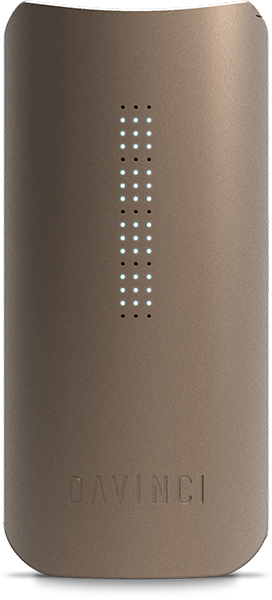
    iq-copper-001__03060.1490207444.500.750DaVinci has been one of the premier vaporizer companies since its inception, and its newest product, the DaVinci IQ, doesn’t fall short of their high standards. This sleek vaporizer offers four different temperature settings for the consumer to choose from, as well as standby mode (for energy saving) and boost mode (for a quick hit). The IQ is also bluetooth accessible, with an accompanying app that lets the consumer control and track their usage. Available on their website and in smoke shops near you (davincivaporizer.com).

  • Danksgiving Recipes

    For some infused holiday foods to share with friends or family, read below and find some extra-special versions of Thanksgiving classics.

    Pumpkin Pie

    Ingredients:

    Chilled pie dough for one single-crust 9-inch pie

    1/2 cup granulated sugar

    1/3 cup light brown sugar

    1 (15-ounce) can pure pumpkin puree

    ¾  cup heavy whipping cream

    ¼ cup cannabutter, melted

    1 teaspoon vanilla extract

    1 1/2 teaspoons ground cinnamon

    1/2 teaspoon ground ginger

    1/4 teaspoon ground cloves

    1/2 teaspoon kosher salt

    Preheat oven to 425*F

    Place pie crust into your pie dish and bake 12-15 minutes until edges are just golden brown, and remove from oven.

    Lower oven to 300*F

    Combine all ingredients in the bowl of an electric mixer and blend on medium-low speed until combined. Pour into baked pie crust and return to oven for 45 minutes, or until top is just set.

    Garlicky Mashed Potatoes

    Ingredients:

    6 medium boiling potatoes (2 pounds)

    6 garlic cloves, minced

    ⅓ cup milk

    2 tablespoons butter

    ¼ cup cannabutter softened

    ½ teaspoon salt

    ⅛ teaspoon pepper

    Scrub potatoes. Leave skins on, if desired, or peel and remove eyes.

    Heat salted water to boiling; add potatoes. Cover and heat to boiling; reduce heat. Cook 30-35 minutes or until fork tender.

    Meanwhile, cook garlic in uninfused butter over medium-low heat until golden.

    Mash potatoes in medium bowl until no lumps remain. Add milk in small amounts, beating after each addition. (Amount of milk needed to make potatoes smooth and fluffy depends on type of potatoes used.)

    Add cannabutter, garlic, salt and pepper. Beat vigorously until potatoes are light and fluffy. If desired, dot with butter or sprinkle with chopped fresh parsley or chives.

    Spiced Cranberry Punch

    Ingredients:

    ½ teaspoon ground ginger

    ½ teaspoon orange zest

    ¼ teaspoon ground cloves

    1 (12-oz.) can frozen cranberry juice cocktail

    1 (3-inch) cinnamon stick

    2 (750 milliliter) bottles sparkling apple cider, chilled

    ½ oz cannabis alcohol tincture

    Place first five ingredients in a small saucepan. Bring to a boil over medium-high heat, stirring until cranberry juice cocktail melts. Remove from heat; let cool 30 minutes. Add alcohol tincture.

    Pour cranberry juice mixture into a pitcher. Add cider, and stir gently. Serve immediately, over ice. Makes 8-10 servings.

  • Cannabis: Creepy Crawlies — Using Beneficial Insects in Your Cannabis Garden

    While many cannabis cultivators strive for no insect presence in their garden, an increasing number of growers are using mother nature’s pesticides — predatory insects. Chemical pesticides are expensive, can be dangerous to apply and consume, and are not always very effective. The first thing you want to do when exploring beneficial insects is to make sure you are scouting your plants regularly; identifying exactly what pest you have is crucial to selecting the right predatory insect. Keep a log so you can track when and where you have outbreaks. Read below to find some frequently used critters to help with common cannabis problems.

    Phytoseiulus persimilis

    A predatory mite that feeds on spider mites; hatched larvae and nymphs will also eat spider mite eggs and nymphs. They have a lifespan of eight days in the immature stage and 36 days as adults. These mites will perform best in 70 – 85*F and a relative humidity of 60 – 90%.

    Dalotia coriaria

    Also knows as the Greenhouse Rove Beetle, this is a soil dwelling beetle that feeds on fungus gnats, thrips and root aphids. These beetles adapt well to many kinds of growing mediums, including rockwool and coco coir, which makes them excellent for cannabis production. The lifecycle of these beetles is completed in 21 days, with optimum conditions of 70*F and 40 – 90% relative humidity. Adult rove beetles consume 10 to 20 prey per day.

    Amblyseius andersoni

    This predatory mite feeds on spider and russet mites, as well as thrips. They have a wide temperature range tolerance, surviving in 45 – 105*F climates. However, the eggs will only hatch between 65 and 77*F. These mites feed during all mobile stages of their life. They are compatible with Phytoseiulus Persimilis, so you can use these pests together for extra impact.

    Praying mantis

    These are definitely one of the most interesting beneficial insects, and one of the few that you can see with the naked eye. Praying mantises don’t discriminate with their prey, and will eat all pests in front of them. They are carnivores, so they won’t do any damage to your plants, but they will start to die off fairly quickly when their food source is gone. The mantis prefers temperatures over 70*F.

    Steinernema feltiae

    These are predatory nematodes, a roundworm that lives in the soil. After applying to your medium, they will seek out your pests and penetrate them through any orifice or through their skin. They will then exude a bacteria that kills the pest, and feed on their remains. Predatory nematodes are great for fungus gnats and root aphids. These pests do not cause direct damage to the flower of your cannabis plants, but instead feed on the roots, which stunts growth and yield and are overall a nuisance.

    Beneficial insects are much more effective when applied to your crop when pest numbers are still low. Plan ahead and use them as part of your garden maintenance plan, instead of a solution to a big infestation. When used properly, they can keep the numbers of pests in your garden to a minimum, if not completely eradicating them, which will save you money and reduce the amount of harmful pesticides applied to your medicine.

  • California Wildfires Destroy Cannabis Farms

    California Wildfires Destroy Cannabis Farms

    As the wildfires in Northern California continue to blaze, many large-scale cannabis farms are being destroyed. The counties of Sonoma and Mendocino are home to some of the largest scale cannabis farms in California, all of which were in the midst of their annual outdoor harvest season (often referred to as “croptober”). There is an expected $1 billion loss of product, devastating to the state’s $21 billion cannabis economy. Up to one-third of the region’s outdoor crops could be destroyed or damaged. This will prove to be a major setback for the industry in this region, as the fire hasn’t only taken mature crops — it also has destroyed the crops of seed banks and farms that produce clones, or vegetative cuttings for propagation. Further north than Mendocino is Redwood Valley, which is home to many small cannabis cultivators and businesses. The people affected will have to return to ground zero, without the backing of investors to rebuild like larger cannabis enterprises.

    Due to its federally illegal status, cannabis farmers are not eligible for most crop or fire insurance, and cannot receive federal disaster relief. Many families also had their savings stored onsite in cash, since they cannot access federal banking either, with much of those savings destroyed in the flames. Many of the growers in the area had been investing significant portions of their savings in the last few years to be able to sell on the recreational market in 2018 — money spent on permits, architectural drawings and real estate now effectively gone up in smoke. Plants not physically touched by fire are still affected by the flames. They’re covered in ash and soot and made more susceptible to mold and mildew by the billowing clouds of smoke rolling through. This horrific loss will be felt deeply and for a long time in the region. The Cannabis Growers Alliance has been coordinating efforts with Mendocino County relief in the area, but it will take a long time and a lot of money to rebuild after this tragedy.