Author: Grace Hyde

  • Canna-beer: All your favorite vices in one can

    As cannabis grows in popularity, alcohol companies are adapting to the changing tide. The cannabis plant is closely related genetically to hops, so infused beers are a natural entrance for alcohol companies into the cannabis market. Several larger brands are making their own formulation of cannabis beverages, while others are investing in existing cannabis companies to meet the demands of adults who prefer to consume cannabis over alcohol in a social setting. This is a wonderful development for public health and safety, as cannabis holds none of the potential significant health risks that alcohol does.

    The inventor of Blue Moon beer will be launching three cannabis infused “beers” this fall in Colorado at his newly formed company Ceria. Keith Villa, who developed their famous Belgian wheat, has partnered with extracts company Ebbu to create a line of THC-infused drinks that have all the flavor of a beer, but none of the alcohol. They plan to release a spectrum of beers: a lager (with the lowest amount of THC), an ale (5-10mg THC) and an IPA (10-15mg THC). The president of Ebbu claims that they have refined their extraction process to deliver precise sensations that mimic alcohol, and hit the user at the same rate that beer does. Most edibles take 30 minutes to an hour for users to feel the effects, which can often lead to overconsumption and an unpleasant experience. A fast-acting beverage would help users accurately identify their tolerances and have a safe and pleasurable experience. These drinks should be launching between Thanksgiving and Christmas, just in time for the holidays. Available in Colorado

    Long time advocates of cannabis use, the team over at Lagunitas has recently come out with two cannabis-infused drinks. Their history with cannabis began in 1999, when they started hosting weekly brewery parties at 4:20pm. Later in 2001, they attempted to label one of their ales “Kronik,” which was censored by the Alcohol Tax and Trade Bueau (TTB), and aptly renamed “Censored.” Fast forward to 2014, when they came out with a two-part line named Night-time and Day-time, modeled after Indica and Sativa strains. In 2017, Lagunitas partnered with extraction company Absolute Xtracts and made two different products in a project called Supercritical: a hoppy beer infused with cannabis terpenes (which contain no cannabinoids), and a vape cartridge that contains hop terpenes extracted from their beer. Their most recent collaboration is a hoppy sparkling water named HiFi Hops, their first product containing actual cannabinoids. They have created two different formulations, one with 10mg THC and the other with 5mg THC and 5mg CBD. A balanced THC/CBD option is great for patients who have a lower edibles tolerance, but still prefer the relaxing effects of cannabis over the intoxicating effects of alcohol. Available in Colorado

    Colorado based company New Belgium has recently come out with the Hemperor IPA, or as they have nicknamed it, the HPA. Brewed with hemp hearts and dry hops, the developers of this beer have recreated the flavor profile of hemp terpenes without the terpenes themselves. It also contains no cannabinoids, which means that this beer is available for sale everywhere in the US! New Belgium is a dedicated advocate for the fight for hemp legalization, and donates to the national hemp legalization effort with every barrel of Hemperor sold. Check out their efforts by visiting thehemperor.com! Available nationwide (except Kansas)

  • Cannabis Lab Testing

    Massachusetts has finally moved another step closer to the recreational sales its residents have been waiting for. Originally planned to begin on July 1, the slow moving licensing process has so far prevented all recreational sales. The Cannabis Commission that governs the state’s marijuana program has released seven provisional recreational retail licenses so far; however, there are still a number of hurdles to clear.

    The state took a big step forward this week when it issued two independent lab testing licenses, awarded to MCR labs in Framingham and CDX Analytics in Salem. These two facilities already test medical marijuana for the state’s cultivation centers and dispensaries, and hope to soon be testing the recreational product. Adult use dispensaries need to test all of their products with recreationally licensed labs and complete final building inspections and employee background checks before recreational purchases can begin. While it is great progress that these two lab licenses have been released, an unexpected issue has come to light about the way that these labs test their product. They use different methods, with each claiming that the other’s is incorrect. The state requires testing not only for cannabinoid profiles, but also for mold and bacteria content.

    MCR Labs employs a technique called plating, which involves taking a small sample of product and placing it in a petri dish with a medium that encourages the growth of microbes. After a determined period of time, the lab counts the number of colonies that grew from the sample and determines whether it exceeds the maximum amount allowed by the state. Plating is a widely used process generally recognized as the standard way to test for microbial content.

    CDX Analytics uses a process known as qPCR, which uses mass spectrometers and chromatograph machinery to determine the number of microbes by analyzing the DNA and measuring how many times the genetic codes of the microbes divide. This technology is newer and has been banned in Nevada for failing to identify known contaminants.

    Both CEOs from the two labs claim that the other is providing false results. CDX asserts that their test measures what is present in the sample in real time and gives a more accurate result for what the consumer will find on the shelf. They also declare that the plating method stifles the growth of some contaminants and encourages the growth of others, creating false positive results. This could lead to the increased use of pesticides and fungicides in the cultivation centers, which can be harmful to the consumer. MCR Labs, on the other hand, claims that the qPCR method is flawed in the way that it extrapolates the final number of microbes, therefore allowing products to go to market with contaminant levels that exceed the guidelines by the state. MCR Labs claims to fail approximately 30% of the samples they receive; CDX alleges they fail around 15%. This could become very risky because cultivators are more likely to send their samples to the lab that they think will give them passing marks. If either of these methods truly does provide incorrect results, consumers are at risk. So far, the Department of Health and Cannabis Commission have refused to take a position on either side of the argument.

  • Reciprocity in RI

    On July 16, Rhode Island became one of the few progressive US states that allows full reciprocity with medical marijuana patients from other states. Several other states have existing reciprocity laws, but few of them are as allowing as little Rhody’s. Reciprocity is important for a number of reasons, the first of which for Rhode Islanders is tourism. With a large part of the economy in the Ocean State reliant on tourism, this added draw will only boost seasonal work and the sales tax collected on medical marijuana purchases. Another major reason to allow reciprocity is to allow full access to all kinds of cannabis formulations for patients whose home state may be more restrictive. Many patients in states like New York and New Jersey are in search of things like edibles and concentrates that some local governments don’t allow due to fears of overconsumption or appealing to children.

    States with Medical Reciprocity:

    Rhode Island — Patients must bring a physical card (not a paper certificate or online recommendation) as well as a driver’s license from the same state as their medical license. All states in the US are allowed. Patients may possess up to 2.5 ounces.

    Washington DC — Allows for patients from 16 different states to shop in their dispensaries with paper or physical card and a driver’s license. California is not on the approved list, greatly reducing the number of out-of-state patients who could be serviced in the nation’s capital.

    New Hampshire — Out-of-state patients can possess legally in the state, however they may not purchase from the state’s dispensaries. Patient’s can possess up to 2 ounces, and they must have a qualifying condition listed under New Hampshire’s medical marijuana legislation.

    Arizona — Like New Hampshire, patients may possess, but can’t visit any local dispensaries. Patients may possess up to 2.5 ounces.

    State’s with adult use legalization:

    California — Now allowing retail sales to adults 21 years and older, you can possess up to 28.5g (about one ounce) or 5g of concentrate.

    Colorado — The first state in the country to allow adult use sales, Colorado allows out-of-staters to possess up to an ounce, and you can only purchase a quarter ounce at a time.

    Washington — Closely following Colorado with full legalization, Washington has very thorough guidelines for its possession limits. One may have up to an ounce of flower, 16 ounces of solid infused edibles, 72 ounces of infused drinks and 7 ounces of concentrates.

    Maine — After legalizing cannabis in 2016, Maine has been slow to roll out its adult-use program. It is legal to possess and use cannabis in the state, but retail sales have been slower to implement due to local government pushback. You can possess up to 2.5 ounces in the state either as a medical card or adult user.

    Massachusetts — As of July 1, adult use is fully legalized in the Bay State. While no dispensaries have been approved to make retail sales yet, some provisional licenses have been granted. You may purchase up to an ounce of flower or 5 grams of concentrate.

    Nevada — Another major tourism hot spot, Nevada allows adults to possess an ounce of cannabis flower and up to 3.5 grams of concentrate. Until March 2018, medical patients from out of state were able to possess up to 2.5 ounces, but now fall under the adult use rules.

    Oregon — Another state with very clear-cut rules on possession, Oregon also has some of the cheapest flower prices in the country. Adults can possess up to an ounce of flower, 16 ounces of solid infused edibles, 72 ounces of infused liquids, 1 ounce of concentrate and 16 ounces of cannabis topicals.

    Another very important thing to remember when purchasing out of state is that despite state reciprocity laws, it is federally illegal to bring a schedule I substance over state lines. So, while it’s totally legal to try out some new products when you’re visiting, you aren’t allowed to bring them home with you.

  • Cannabis Regulatory Updates

    Cannabis Regulatory Updates

    Rhode Island: Governor’s Budget

    CannabisIcon3Despite some very promising material in the initial draft of Governor Gina Raimondo’s 2018-2019 budget, the rewrite released by the General Assembly in early June removes some key progressive aspects. The first version proposed adding 12 additional dispensaries, bringing the total for the state up to 15; the second version eliminates this proposal. New dispensaries in RI are direly needed, as many patients live in the western half of the state and have to travel more than an hour to get to a dispensary. While that may be feasible for some people, it excludes some of the sickest patients from accessing medication.

    The revised version also allows for Massachusetts and Connecticut patients to shop at the Rhode Island dispensaries. While this will mean great things financially for the existing retailers, RI patients may find themselves waiting in longer lines with less time to spend with their budtenders.

    Massachusetts: July 1 Recreational Market

    It may be technically legal to purchase cannabis in Massachusetts, but as of our publication deadline, the state has yet to issue any recreational retail licenses. So far, one recreational provisional cultivation license has been given out, but they won’t be able to sell their products until retail licenses are doled out. The most likely first recipients will be existing medical dispensaries, with separate areas in the storefront for medical and recreational shoppers, to ensure that medical patients still receive the same service and support, as well as products that won’t be allowed for recreational customers. While medical patients can enjoy edible products with no potency limit, recreational products must have no more than 5mg THC per piece, and no more than 100mg per package. Recreational consumers also are subject to a 17% tax, whereas medical patients purchase tax-free.

    State regulators are adamant that the recreational market in Massachusetts will not resemble that of Colorado. Seventy towns have already put a moratorium on recreational sales, with more expected to follow suit. The rollout of the program will be gradual, seemingly to curb the extreme canna-tourism that states like Colorado saw at the launch of their programs.

    California: July 1 Regulation Implementation

    With the legalization of cannabis in California last winter, new safety regulations took effect on July 1. The new regulations include additional checks for pesticides, chemicals and foreign material, as well as ingredient and batch number labeling requirements. The changes are good for the program overall, as they require a higher standard of quality and transparency from manufacturers, but coupled with the devastating wildfires in the state this past year, a sizable number of companies are expected to go out of business.

  • Medical Cannabis in Pennsylvania: Update

    The newly budded medical cannabis market in Pennsylvania looks to be one of the most promising medical markets in the nation; however, they have had several bumps along the way. Legislation in allowing the sale of cannabis products at registered retail dispensaries finally went into effect in early March, with six storefronts available to serve the 30,000 patients in Pennsylvania. Unfortunately, in fewer than two weeks, the dispensaries had completely run out of product. Despite the state having approved 12 wholesale cultivators, only one was producing at the time. Patients were told more product would be available in several weeks.

    The Pennsylvania government also is making corrections to the types of medicine available to patients. Under the original legislation, only the sale of pill, oil, topical, tincture or liquid forms were allowed. Infused edibles were explicitly forbidden. Excluding the sale of cannabis flower limited many patients to products that were more expensive and harder to dose than what they were expecting. Pennsylvania’s health secretary, Rachel Levine, announced in April that flower sales would be beginning sometime over the summer, after hearing extensive patient testimony about the conflicts with the legislation. Levine also announced that she would allow the use of medical cannabis for opioid use disorder, joining New Jersey as the only states to acknowledge the benefits of cannabis on opioid addiction.

    The most interesting facet of Pennsylvania’s medical program is a provision that allows grow facilities to partner with Pennsylvania colleges and universities for medical cannabis research. This circumnavigates the strict rules surrounding the Schedule I status of cannabis. Federal prohibition makes the process of acquiring cannabis for clinical trials and research studies extremely difficult. Currently, eight schools are registered to receive cannabis in edible or vaporizeable form. However, commonwealth court judge Patricia McCullough issued a preliminary injunction on Tuesday that halts the research section of the legislation. Many of the state’s retailers and wholesalers have been upset with the provision, arguing that these new grantees will flood the market and drop wholesale prices. As the law is written, these research grow ops would be able to sell on the wholesale market just like the other cultivators, despite going through a less rigorous application and vetting process, with only a small commitment of their product to research. The upset business people argue that these research cultivators should be restricted to growing only for sale to the college they are partnered with, and not be allowed to sell on the regular market. Further scrutiny of the legislation will need to happen before this groundbreaking initiative can fully begin.

  • Mother’s Day Gift Guide for the Cannabis Loving Mom

    Mother’s Day Gift Guide for the Cannabis Loving Mom

    If you have a mom who loves the herb, try a cannabis-themed gift for Mother’s Day this year. Whether it be an edibles cookbook with recipes for you to try together, a trendy new stash bag or her first high quality vaporizer, these suggestions are sure to make Mom’s day even more special.

    Cookbook

    Herb: Mastering the Art of Cooking with Cannabis 

    Two chefs, Melissa Parks and Laurie Wolf, collaborate on this gourmet cookbook that features recipes for cooks of all skill levels. Including appetizers, entrees, desserts and more, Mom is sure to find a dish that she would love to try!

    Cooking with Herb: 75 Recipes for the Marley Natural Lifestyle

    Written by the daughter of legend Bob Marley, in this book Cedella Marley teaches you to cook with cannabis using clean, healthy recipes, many of them traditional Jamaican family favorites.

    Cannabis Cuisine: Bud Pairings of Born Again Chef

    Restaurant owner and Le Cordon Bleu graduate Andrea Drummer uses this text to show the reader that cannabis is more than just an ingredient, it can be a central part of these recipes. Pairing specific strains with complementary flavors enhances the dishes even more than the obvious psychoactive components, and Drummer strives to bring the home cook to a higher level of understanding with her recipes.

    Accessories

    Erbanna

    With most products priced very reasonably between $20 and $50, Erbanna offers a selection of quality, attractive, smell-proof handbags and clutches, as well as some fun items like joint holsters and even a few products for men! Visit erbanna.com to purchase a product or learn how to become involved with the brand as a blogger, influencer or ambassador.

    Jane West

    Founder of Women Grow, the cannabis industry’s largest professional networking organization, Jane West is a representative of mainstream women who prefer to enjoy cannabis as part of their everyday routine. Her company offers sleek, modern accessories like an updated dugout, compact carrying case and most recently, a collaboration with reputable glass company Grav Labs, producing a line of cobalt blue hand and water pipes.

    Kandy Pens Elite

    Kandy Pens Elite
    Kandy Pens Elite

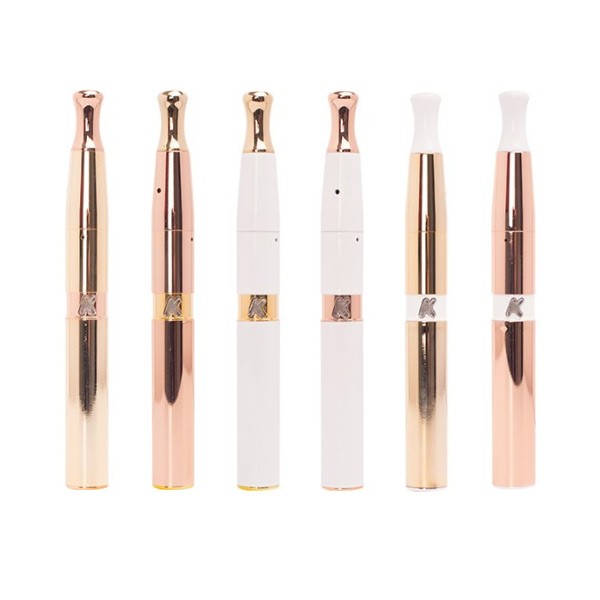
    Named “Best Vape Pen of 2017” by the Vape Critic, this collection of rose gold vape pens is glamorous yet refined, and a great subtle option for your mom to have in her purse at the ready. Kandy Pens offers a wide variety of pen types for flower and concentrates, but these limited edition beauties are their best product yet, with a quartz crystal chamber, ceramic dish and leak-proof technology. Available for $85 at kandypens.com

  • Lesser-Known Cannabinoids

    Most people know about the famous cannabinoids like delta-9-THC and CBD; however, there are many other cannabinoids present in the cannabis plants that people might not know about. And they, too, have therapeutic benefits.

    Delta-8-THC

    This lesser-known cousin to delta-9-THC has far weaker psychotropic properties but has amazing anti-nausea and appetite stimulation benefits. Delta-8-THC also connects with both CB1 and CB2 receptors, which most cannabinoids do not do. It boosts levels of acetylcholine in the brain, which is promising for conditions like Alzheimer’s disease and myesthenia gravis, which are thought to be connected with acetylcholine deficiencies. Very few companies are currently isolating it for retail sale, but Oleum Extracts out of Washington State sells a distillate cartridge with mostly delta-8.

    THC-V

    Tetrahydrocannabivarin, or THC-V, is one of the most common cannabinoids in cannabis, yet is only just entering the spotlight. Some preliminary studies show THC-V having a biphasic effect — in low doses, it can reduce the psychoactive effect of THC, but in high doses it causes a psychoactive effect. It is thought that THC-V is what gives sativa strains their energizing feeling and quick mental effect. One of the biggest reasons to be excited about THC-V is its potential use with diabetes. Preliminary studies show that a combination of CBD and THC-V improved fasting insulin

    Source: Dreamstime.com
    Source: Dreamstime.com

    levels, reduced blood glucose levels, improved insulin response, reduced blood pressure and reduced inflammation markers.

    CBC

    Cannabichromene, or CBC, is found in cannabis plants grown in tropical climates. This compound has been found to be therapeutic for bone growth, bacteria growth prevention, inflammation reduction and pain relief. These properties would make CBC an excellent choice for patients with conditions like osteoporosis and rheumatoid arthritis. Being used preventatively could possibly reduce the number of surgeries that a patient would have to undergo, and could also make the post-surgical recovery period much faster and more comfortable.

    CBN

    Cannabinol, or CBN, is a non-psychoactive component in cannabis. It is commonly found in aged flower, and is thought to be a by-product of THCa when exposed to temperature and time. CBN is the compound in cannabis that is found to be most sedating, which is probably why the flower you found stashed away from last year has more of a couch-lock effect! CBN is also thought to help with pain and muscle spasms.

  • Debunking Cannabis Myths

    It started with Reefer Madness, and now there are all sorts of cannabis myths out there. So we’re on a mission to clear some of those up.

    CBD vs THC — Which Is Medical?

    The-Subtle-Benefits-of-CBD-768x414Many people believe that THC is strictly the recreational form of cannabis, and CBD the only medical component. However, this couldn’t be further from the truth. In fact, milligram for milligram, THC is far more therapeutic than CBD. They each have significant health benefits, but can’t be used interchangeably.

    The one thing that they both treat well is pain. Some people find that they can manage their pain with THC, and are able to handle the possible amounts of euphoria that they may experience (although with appropriate dosing, you should only be brought up to baseline and not exceed it into euphoria). However, people sensitive to THC can use CBD for their pain instead. The dose may be different — 5mg of THC vs 25mg of CBD to treat the same amount of pain — but for many patients, THC is not something they are willing to use.

    As far as treating sleeplessness, THC is far and away the superior cannabinoid. CBD has no known sedating effects, where THC-rich products are known to make the consumer drowsy.

    Anxiety is another condition that is very specific. THC can commonly make consumers more anxious and paranoid, and is typically not used to remedy these conditions. However, CBD is known to act on the 5-HT1A receptor, a serotonin receptor that when activated decreases aggression and impulsiveness, inhibits drug-seeking behavior and increases sociability. This makes CBD an amazing choice for anxiety and PTSD.

    Cannabis and Schizophrenia

    For a long time, it has been believed that cannabis can cause or trigger schizophrenia. The available data indicates that this is true, but not quite in the way that people believe. Cannabis high in THC acts on the CB1 receptors in the brain, which can cause a chemical reaction and create environmental conditions that could encourage a genetic predisposition for schizophrenia to come to fruition. Cannabis itself does not cause schizophrenia out of nowhere. Cannabis can also weaken the CB1 receptors in the brain with heavy use, which would cause a disruption to the D2 dopamine receptor and lead to an overproduction of dopamine, which can cause psychosis. CBD, on the other hand, is showing great promise for use as a therapeutic drug for schizophrenics. CBD is thought to have antipsychotic properties, and can reduce some of the negative effects of schizophrenia, improving social interaction and working memory deficits. CBD also doesn’t come with the unfortunate side effects of traditional antipsychotics, like weight gain.

    How CBD Works

    CBD has long been claimed as a “non-psychoactive,” which is not entirely true. The definition of psychoactive is “affecting the mind,” which CBD absolutely does. CBD is certainly non-euphoric; it doesn’t give the sensation of being “high” users feel from THC. However, CBD absolutely affects the mind. It is well known for its amazing effect on anxiety and PTSD, through its action on serotonin receptor 5-HT1A, as well as its ability to treat epilepsy.

  • Cannabis in RI Government

    Recently, cannabis has been making an appearance in several state legislations. In January, Vermont became the first state to legalize adult-use cannabis through legislation. Maine’s House endorsed a bill to set regulatory guidelines for the state’s new recreational law, which, while it still needs approval from both chambers of legislation, stands a very good chance of passing. Rhode Island has also had several bills introduced into the House.

    One of these bills, introduced by Rep. Scott Slater, would allow for school nurses to administer non-smokeable marijuana to students during the school day. This piece of legislation would be a landmark public health decision, as cannabis is prohibited in schools and hospitals nationwide. Due to the extreme restrictions and almost non-existent exceptions, students who use cannabis for debilitating conditions, like epilepsy, must be homeschooled in order to take their medicine. These students already have a life-threatening condition that significantly sets them apart from their peers; to be able to attend public school and socialize and participate in everyday activities with their classmates would be life changing. The bill also protects the nurses from criminal prosecution.

    A second piece of legislature in the house is an amendment to the Edward O. Hawkins and Thomas C. Slater Medical Marijuana Act, which regulates the medical marijuana program in Rhode Island. Part of this amendment explicitly prohibits employers from refusing to hire, discharge or otherwise discriminate against a patient who tests positive on a drug screening for marijuana and metabolites. This excludes if the patient was in possession or under the influence of marijuana on the job site. This is a very helpful amendment for patients who use cannabis for common ailments like pain or trouble sleeping, and consume their medicine in the evening when the possible effect of euphoria wouldn’t affect their ability to work. Many patients are concerned about repercussions at work, despite using their medicine responsibly. This would be an acknowledgement from the state that everyday employees use cannabis as part of their health and wellness routines.

    The most important bill in the House at the moment is House Bill 7883, which seeks to add a non-binding referendum to the midterm election ballot this fall. This referendum would ask the public the question, “Do you support the legalization of possession and use of marijuana by persons who are at least 21 years of age, subject to regulation and taxation that is similar to the regulation and taxation of tobacco and alcohol?” While this seems redundant to the polls that have been conducted in the state, it actually will be far more effective for data analysis. Currently, the voters in the state assume that their representatives are upholding the overwhelming support for cannabis legalization in the state. However, the representatives are holding back until their direct constituents press them to take action. Because the midterm ballots would be organized by district, this would provide information for which districts are most interested in seeing legalization happen, and the representatives would have a better idea of how hard they need to be fighting for their constituents.

  • Cannabis Mocktails

    Cannabis Mocktails

    Blended Watermelon Canna-rita

    Ingredients:

    1 medium seedless watermelon

    ½ cup fresh lime juice

    ¼ cup cannabis-infused honey

    ⅓ cup sparkling water

    Cut the watermelon into medium-sized chunks. In a blender, puree half of the watermelon, or enough for four cups of puree. Add lime juice and honey, blend. Divide into four cups and top with sparkling water.

    Green Tea Martini

    Ingredients:

    8 oz green tea, chilled

    ¼ cup honey

    ¼ inch ginger root, sliced

    2 oz lemon juice

    1 lavender sprig

    Muddle ginger root and lavender buds with honey in a cocktail shaker. Add ice, green tea and lemon juice, and shake vigorously. Strain between four martini glasses.

    Sparkling Mango Mule

    Ingredients:

    ¼ cup cannabis-infused honey

    6 oz mango puree

    ¼ cup lime juice

    4 cups ginger beer

    Combine honey, mango puree and lime juice in cocktail shaker, and shake vigorously with ice. Strain into four glasses over ice, and top with one cup ginger beer.

    *Did You Know? Mango is high in the terpene Myrcene, which gives mangoes their unique smell and also is thought by many to increase the potency and duration of your high.*

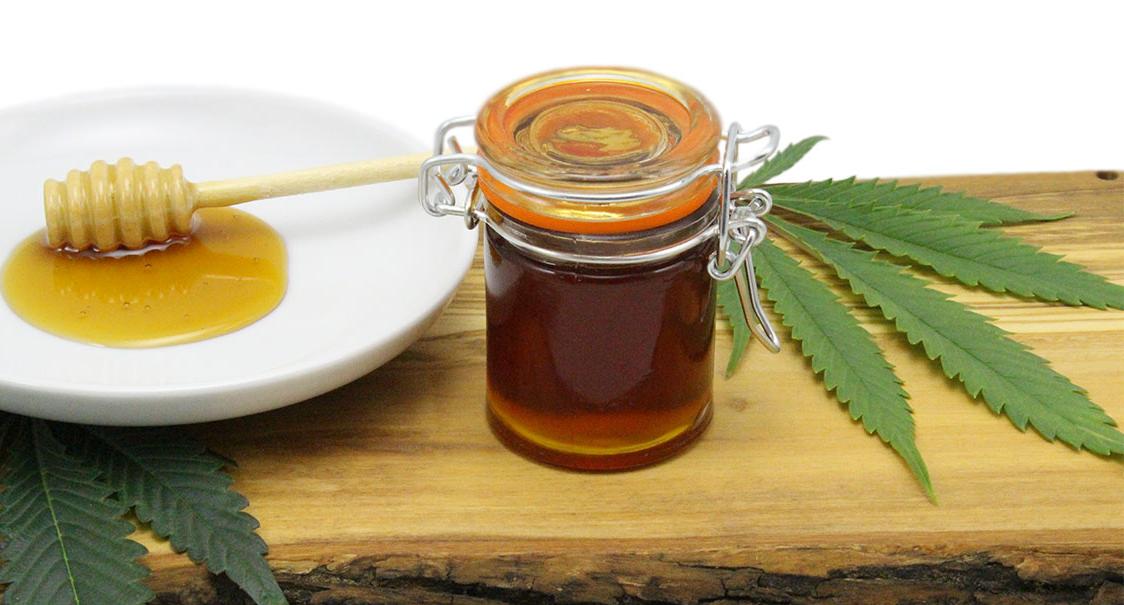
    Cannabis-Infused Honey

    Ingredients:

    cannabis-infused-honey½ ounce cannabis flower

    2 cups honey (local if possible!)

    1 tablespoon sunflower lecithin

    10” x 10” cheesecloth

    Colander or strainer

    Slow cooker

    Pre-heat oven to 225 degrees F. Grind your cannabis flower, place it in a small oven-proof dish and cover tightly with aluminum foil. Activate your cannabis in a heated oven for one hour. Remove and allow to cool completely before uncovering. Combine cannabis, honey and lecithin in the slow cooker, and set to low. Cook honey in slow cooker for six to eight hours, thoroughly stirring every hour. Agitation is the most important step in this process.

    When finished, place the colander inside a large bowl to collect the finished product. Place the cheesecloth inside the colander and pour the honey mixture through. Most of the honey will filter through by itself, but at the end you can gather the ends of the cheesecloth and use a pair of tongs or an oven safe glove to squeeze out any remaining honey. Store in a cool dark location, and stir before use.

    *For a more potent honey, add 3 to 5 grams of kief or hash to your flower before the activation process.*