While gathering profiles of local Black artists, We had far more suggestions from our guest editor and advisors than we could ever hope to cover. Kelly Marino interviewed three RI makers who are making waves around the Ocean State.
Stanley Bois
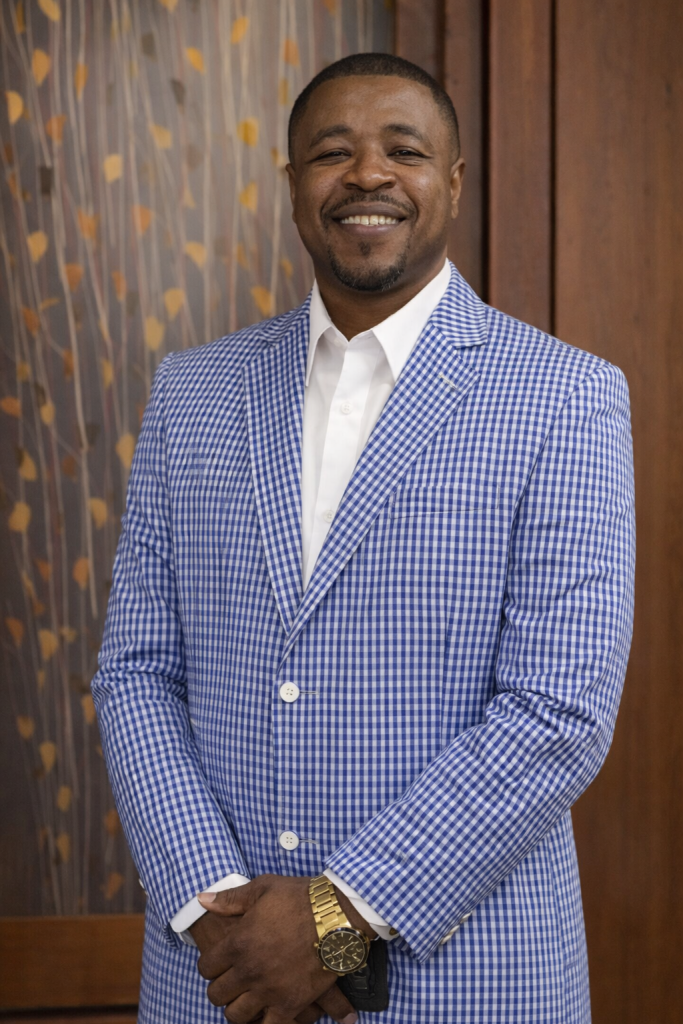
Stanley Bois is a Rhode Island–based filmmaker, writer, and editor whose work explores identity, consequence, and cultural truth. Born Haitian and later adopted by a Cape Verdean family, his storytelling is shaped by resilience, history, and lived experience. He is the founder of Hotinri and Bois Media Group, and the creative force behind films such as Pray for the Bear and Innocence Lost, which challenge conventional narratives around morality, freedom, and responsibility. Through film and media, Bois centers voices often left outside the mainstream, using storytelling as a tool for reflection, disruption, and dialogue.
@hotinridotcom
@theofficialthismycity
Kelly Marino (Motif): Where are you from, and how does your background heritage influence your artistic theme and perspective?
Stanley Bois: I was born Haitian and later adopted by a Cape Verdean family when I was about 17, which gave me a perspective shaped by two deeply resilient cultures. Experiencing both worlds taught me how identity can evolve and expand rather than stay fixed.
Haitian history instilled a sense of resistance, pride, and survival, while Cape Verdean culture emphasized family, rhythm, and emotional expression. Together, they shape the themes I’m drawn to as an artist and how I approach storytelling.
KM: What inspires you and how do you tap into cultural narratives or historical moments?
SB: I’m inspired by people and histories rooted in truth and resistance. Malcolm X’s clarity, discipline, and fearlessness continue to influence how I think about voice and responsibility. I’m also a descendant of Henri Christophe, which keeps me connected to a legacy of leadership, revolution, and Black sovereignty.
As a director, writer, and editor, I’m inspired by filmmakers who used storytelling as cultural intervention — Oscar Micheaux, Spike Lee, Ava DuVernay, and Ryan Coogler. I tap into cultural narratives by listening to lived experiences and studying the past, treating history not as something distant, but as a living force that shapes how we move through the world today.
KM: How does your work interact with or challenge mainstream art trends and institutions?
SB: My work challenges mainstream trends by pushing back on simplified ideas of morality and success. In Pray for the Bear, I explored how self-improvement language can be weaponized — how a woman uses the tools meant for healing and growth as a path to revenge. It questions the popular belief that personal development automatically leads to virtue.
In Innocence Lost, I take a different angle, focusing on how innocent people — especially young people — are harmed simply by proximity to violence and broken systems. The film asks difficult questions about parenting, freedom, and accountability: Is doing well in school enough to assume a child is safe? Is freedom without guidance really freedom?
Together, these stories resist easy answers. They challenge institutions and audiences to look deeper at responsibility, environment, and the quiet consequences of decisions we often overlook.
KM: How do you define success and what do you hope to accomplish in your career?
SB: I define success as impact and longevity. It’s about creating work that challenges how we see and think — offering a perspective that hasn’t been spoon-fed to us for generations. Success means owning my stories, building sustainable platforms, and refusing to dilute my voice for acceptance.
What I hope to accomplish is a body of work that invites people to look at familiar issues through a different lens — one rooted in truth, culture, and lived experience. If my films can disrupt comfort, spark dialogue, and expand how audiences understand the world around them, that’s success to me.
Kunle
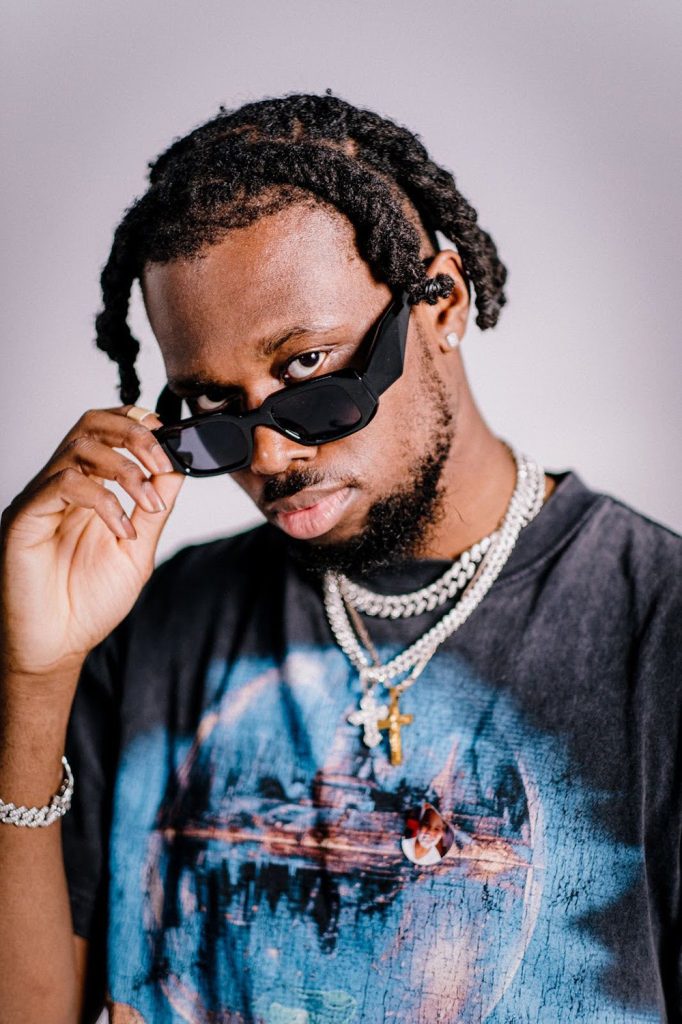
Underground Artist Kunle, from Providence, is associated with the fast-growing collective OTR (Off The Rip). His renowned melodies, flows, and storytelling really separate him from the crowd of today’s oversaturated artists. A fresh uniqueness comes from diving into his world.
Kelly Marino (Motif): Where are you from, and how does your background influence your artistic theme and perspective?
Kunle: I’m originally from North Providence, RI, and now I reside in the heart of Providence. I was raised in a Nigerian household, where music wasn’t just something we listened to – it was a way of life. In my culture, everything carried rhythm and pattern. The way my mother spoke to us in Yoruba had its own cadence, the way we danced, even our footwork moved with intention and flow.
Growing up in the United States, hip-hop on the radio became another major influence, shaping my sound and perspective. Blending the rhythmic foundation of my Nigerian roots with the raw energy of American hip-hop is what defines me as an artist today.
KM: What inspires you and how do you tap into cultural narratives or historical moments?
K: I also drew heavy inspiration from the artists I watched rise and define eras. Seeing the portrayal and stories of artists like 50 Cent, Lil Wayne, OutKast, and Michael Jackson showed me the power of individuality, presence, and timeless impact. Their journeys and popularity pushed me to think bigger and create dope melodies and records that connect beyond the moment.
More recently, artists like Tory Lanez and XXXTENTACION showed me how far versatility can take you, how blending genres, emotions, and sounds can break boundaries. I tap into cultural narratives and historical moments by merging my roots with these influences, using my music to reflect both legacy and evolution.
KM: How does your work interact with or challenge mainstream art trends and institutions?
K: At times, it can be challenging for me to fully view myself as an artist when reflecting on both my released and unreleased work. I approach music as a form of therapy, creating records that capture my emotions and state of mind in real time. Because of that, each track represents an honest moment rather than a manufactured version of myself.
Mental health is something I deeply value, and music has become a gateway for me to process, confront, and work through it. While some of my earlier releases may not fully align with that intention, often influenced by the lifestyles and themes society tends to reward, the fun and energy in my music will always be there because that is a natural part of who I am.
At the same time, I am intentionally expanding my expression to include the deeper, more reflective parts of myself as well. I am gradually moving away from fitting into a single mold and focusing instead on creating music that balances enjoyment, honesty, and authenticity.
KM: How do you define success and what do you hope to accomplish in your career?
K: I define success by what I do with the gift God gave me. I’ve been holding onto the same vision since I was 15 years old, sitting in Mr. Hillman’s 8am Clay Building class, dreaming bigger than my surroundings. I knew I was the underdog, and I embraced that, because underdog stories always come from the heart.
Life didn’t unfold the way I thought it would back then, but the hunger never left. If anything, it grew stronger. I’m still chasing that younger version of myself, still learning, still becoming the artist I know I’m meant to be. I move with faith, patience, and purpose, knowing that one day my future self will look back and say thank you for never letting the dream die.
Tye Cooper
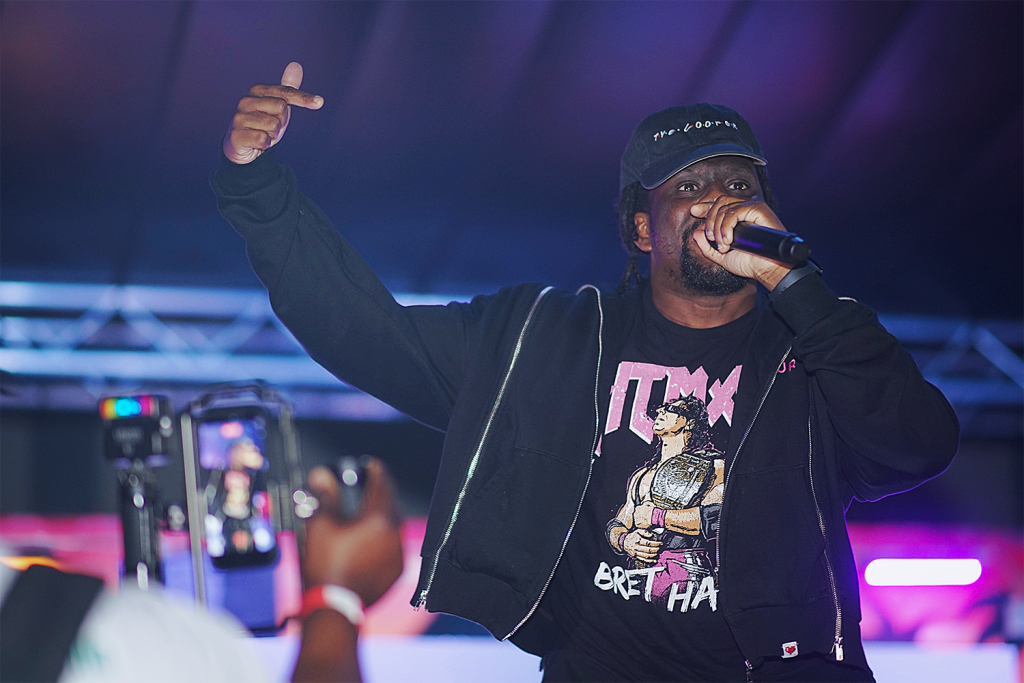
Tye Cooper is an American-born songwriter, raptivist, actor, and entertainer from Providence. Tye signed a new deal with his record label, Silent Reminder Entertainment Corporation, in November 2019.
For aspiring rappers to garner legitimate, industry-level buzz in a city like Providence is a challenge. Tye Cooper’s uncompromising dedication to his craft and his lyrical precision set him apart from the crowd – there is no musical flow too bold for Tye to tackle. His smooth lyrical delivery is like a comfortable audio pillow on which listeners can rest their heads, while his heavy trap smacks listeners like when an alarm clock makes your feet hit a cold, hardwood floor in the morning.
Among other accomplishments, Tye has been sponsored by Doritos, collaborated with artists from east to west coast, released countless singles, and has shared the stage with legendary acts such as Benny the Butcher, Bone Thugs & Harmony, Busta Rhymes, Cypress Hill, French Montana, KRS ONE, Method Man & Redman, Rakim, Slick Rick, Wiz Khalifa, and many more.
Kelly Marino (Motif): Where are you from, and how does your background heritage influence your artistic theme and perspective?
Tye Cooper: I’m from Rhode Island, and my upbringing in this unique urban landscape has shaped how I see and create art. Growing up in a diverse community, surrounded by music, culture, and storytelling, has informed both the themes I explore and the authenticity I bring to my work. My heritage reminds me to honor the experiences of my community while translating them into something universally relatable.
KM: What inspires you and how do you tap into cultural narratives or historical moments?
TC: My inspiration comes from the people around me, music history, and moments that have shaped our cultural narrative. I like to explore the intersection of personal experience and collective history — whether that’s freestyling live, collaborating on records, or creating content that reflects contemporary urban life. I aim to connect past and present, honoring the stories that came before while pushing the culture forward.
KM: How does your work interact with or challenge mainstream art trends and institutions?
TC: I create on my own terms and often outside traditional frameworks. Platforms like TikTok allow me to bypass conventional gatekeepers and connect directly with audiences. This approach challenges the typical pathways of mainstream art and music, proving that authenticity and consistency can build influence and reshape how people engage with art today.
KM: How do you define success and what do you hope to accomplish in your career?
TC: Success, to me, is creating work that resonates, inspires, and builds community, while staying true to my vision. I want to make music and art that people feel, remember, and want to return to. Long-term, I hope to leverage my platform to support emerging artists, expand cultural representation, and leave a meaningful legacy in music and creative storytelling.