Every election cycle, Motif brings you the candidates in their own words so you can try to compare apples to apples. It’s our way of contributing to the political process while not having the fact-checking capabilities of larger papers (well, that larger papers used to have, at least). and we’ve received a lot of positive reader feedback on it over the years, so we’ve kept doing it, even if half the candidates ask us, “What’s Motif?” each time. One thing we learned is that in overwhelmingly Democratic RI, the real races play out in the primaries, so we’ve pushed back this segment to help you choose in the primaries.
We’ve also found it’s getting harder to reach the candidates. Which seems backward, considering how many more communication streams there appear to be: sixty flavors of social media, email, phones, even talk-backs. But the results are blocked, filtered, or ignored. This cycle, we spent two months reaching out, starting with email, then emails from personal addresses, reaching out through Facebook, Instagram, TikTok, LinkedIn, and through web contact forms. Phone numbers are rarely disclosed now, but we had a few and we used them. We used the “know a guy” approach, and in a few cases we sent me out to physically stalk the candidates at rallies or debates. We extended the deadlines 3 times, until there was no room left between us and the printing press. We’re thrilled to have gotten so many interesting, worthwhile responses. We didn’t quite get everyone.
We were unable to obtain any response, despite these efforts, from the following candidates: Elaine Pelino (R – running for Governor); Robert Raimondo (R – running for Governor); Spencer Dickinson (D – running for US House in District 2); and Victor Mellor (R – running for US House in District 2).
We excluded several candidates who are unopposed in their primary races; we hope to see them again in the generals. We didn’t pursue candidates in all races, preferring to focus on those that seemed close and bigger.
We reached the following candidate’s campaigns, but they were unable to answer the questions in time for press: Dan McKee (D – incumbent running for Governor).
Jason Knight (D – running for Attorney General) responded after press time, and has been added to this web version.
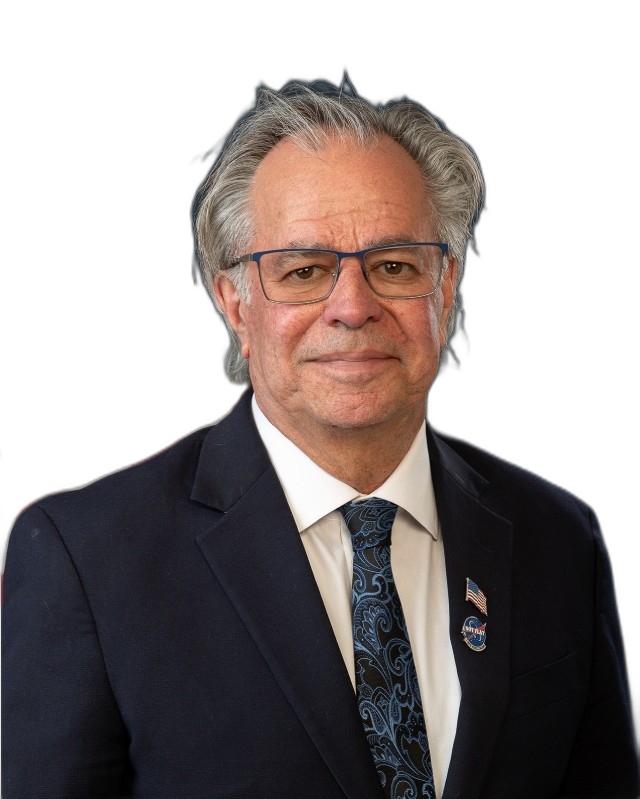
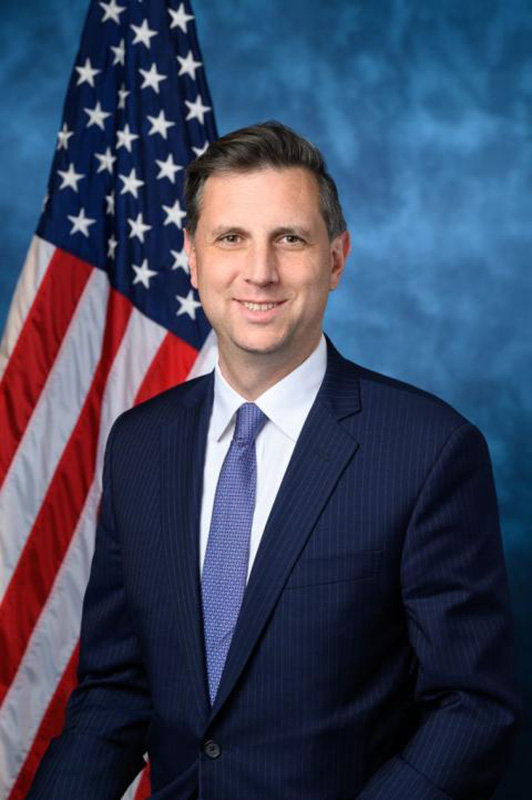
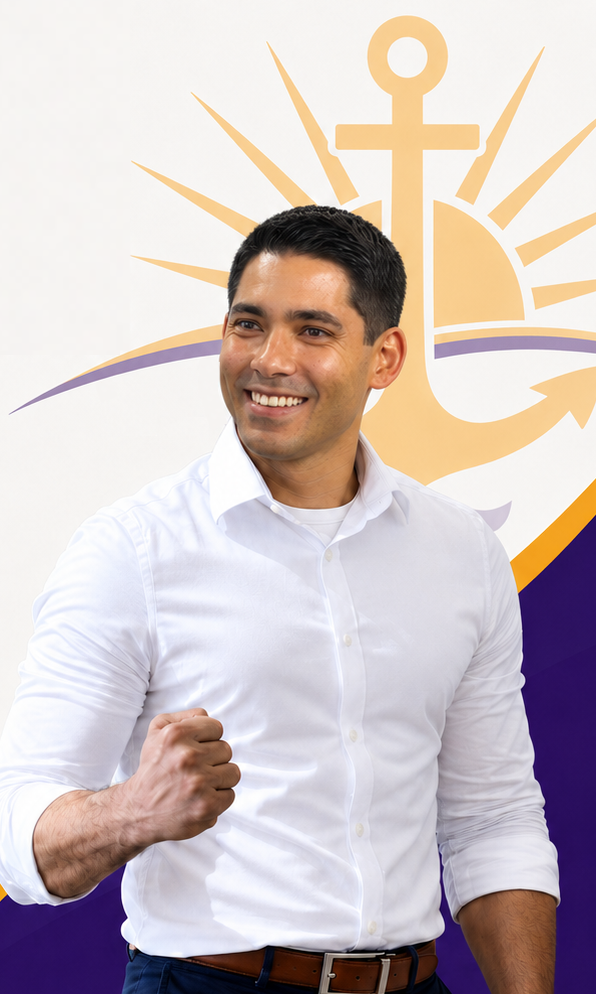
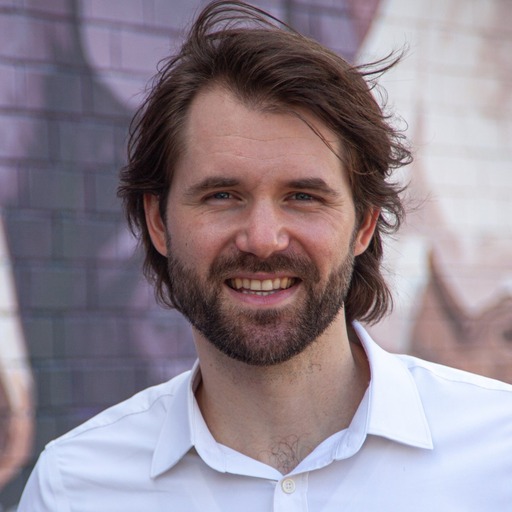
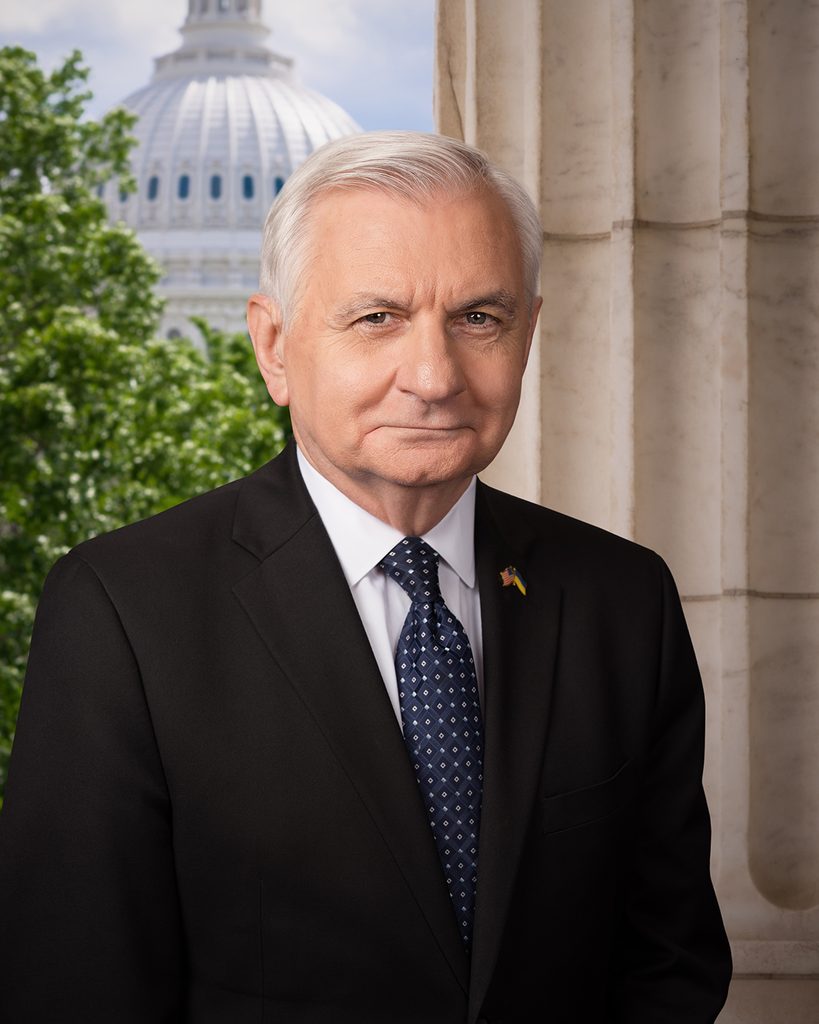
Senate & House
1. How do you feel about ICE’s recent tactics and role in law enforcement?
Jack Reed (D – US Senate, Incumbent): Trump’s ICE has gone too far, and accountability can’t come soon enough. I voted consistently against funding Trump’s ICE, and I’m fighting to claw back Trump’s ICE slush-fund and use those billions of dollars to build affordable homes across our communities. Trump’s lawlessness must stop and I’m demanding meaningful changes, like halting warrantless, roving patrols; preventing mass raids that target our schools, hospitals and places of worship; ending ICE’s practice of stopping people because of how they look; and requiring body cameras.
Connor Burbridge (D – US Senate): ICE’s law enforcement tactics are completely unacceptable. ICE has become a rogue agency more interested in terrorizing our communities than keeping us safe. It’s clear that Trump has turned ICE into his personal paramilitary force. I support abolishing the agency as part of a comprehensive immigration reform package that provides pathways to citizenship and legal work status for undocumented immigrants already present in the country.
Luis Muñoz (D – US Senate): ICE’s recent tactics are incompatible with a free society. ICE must be abolished. Masked operations, courthouse arrests, mass detention, pressure on local police to perform federal immigration work, and enforcement that follows people into places where they seek care or justice are not public safety. They are intimidation. The Wyatt Detention Center must end its contracts with ICE and be shut down. There is no room for private prisons in a society that values human rights.
From Washington, I would use appropriations, oversight and legislation to end private immigration detention, require judicial warrants for home entries and civil arrests at courthouses or other protected locations, guarantee prompt custody review, counsel and necessary medical care, mandate visible identification and body cameras except during narrowly defined undercover operations, and most importantly, end 287(g) deputization and mass workplace raids. I would also fight for investigations into incidents involving ICE agents and accountability for those who have abused their power.
Immigration status does not erase personhood or constitutional rights. Rhode Island should not have to choose between federal law and human dignity. I choose human dignity.
Seth Magaziner (D – House District 2): We need an immigration system that is safe, orderly, and fair.
President Trump has used ICE to bring chaos to American cities. Instead of going after the “worst of the worst,” as the Trump Administration promised, their immigration enforcement has targeted innocent and hardworking people, including veterans, children, and the sick and elderly. These actions have also led to the deaths of several people, including United States citizens.
As a member of the House Homeland Security Committee, I am working to expose abuses by the Trump Administration and hold DHS officials and agents who act inappropriately accountable.
We must push back against the Trump Administration’s extreme and dangerous approach to immigration enforcement while working toward comprehensive solutions that include well defined pathways to legal status, a secure border, and enforcement of immigration law that is rooted in fairness and not cruelty.
Stephen Skoly (R – House District 2): I support the lawful and appropriate enforcement of our immigration laws. Period.
For most of my life, that was a common sense position shared by both parties. ICE has a legitimate responsibility to remove dangerous criminals, enforce federal law, and help protect this country. I support them carrying out that mission.
Like every federal agency, ICE must operate within the law and be subject to oversight when mistakes or abuses occur. But concerns about enforcement are not solved by abandoning enforcement altogether.
Secure the border. Fix the legal immigration system so it works. Protect due process. Enforce the law fairly and consistently.
That is not extreme. It is responsible, necessary, and where most Rhode Islanders stand.
2. How do you help Rhode Island from Washington?
Jack Reed: Every day, I use my hard-earned know-how and powerful committee seats to advocate relentlessly for our state and for common sense, effective policies that put working Rhode Islanders first. Whether its millions and millions of dollars for more affordable housing, forcing pharmaceutical companies to negotiate prices, leading the fight against Trump’s war in Iran, helping our hospitals and universities get $1.5 billion to advance research and innovation, new manufacturing jobs, or securing big investments in our transportation infrastructure, I am delivering results for Rhode Island. There’s more work to do, and I’m ready and well-positioned to get the job done.
Connor Burbridge: My campaign has spoken with tens of thousands of Rhode Islanders who are sick of the status quo. Too many Rhode Islanders tell us that they cannot afford housing, healthcare, or a decent quality of life. This is because our political system has helped rig the economy in favor of billionaires and against the working class. Rhode Island needs a senator who will fight for the issues that affect their daily lives the most. I will be a tireless advocate for universal healthcare, taxing billionaires to provide much-needed relief for the working class, ending the forever wars and trimming military bloat, and fighting corruption in our politics and economy.
Luis Muñoz: Helping Rhode Island from Washington means changing the rules and bringing home resources. By home, I mean directly to Rhode Islanders struggling with affordability, not more money for defense contractors in Quonset. A small state cannot bargain alone with national monopolies, so we must also enforce antitrust laws and break the grip that a few companies and billionaires have on politics and our regional economies.
I would use authorizing legislation, appropriations, federal grants and oversight to lower the costs people actually feel. Through legislation before the Health, Education, Labor and Pensions Committee and the Finance Committee, I would push for Medicare for All and remove middle players, including GPOs and PBMs, that are contributing to rising prescription prices. I would push for permanently affordable housing, community land trusts and anti-displacement grants; reliable transit, roads, bridges, water systems, grid modernization and climate resilience; and shared technology, equipment, laboratories, dual-enrollment programs, Career and Technical Education, and apprenticeship infrastructure so urban-core schools can offer pathways comparable to those in wealthy districts.
I would also work with the Indian Affairs and Judiciary committees to restore full Narragansett land sovereignty by removing the federal restrictions created by the 1978 settlement framework and later legal barriers. Tribal sovereignty is not ceremonial. It affects housing, infrastructure, jurisdiction, environmental stewardship and economic development.
Federal dollars should arrive with measurable outcomes, labor standards, local participation and clawbacks when promises are broken. Rhode Island needs a senator who can bring resources home and change the rules that keep families paying more for less.
Seth Magaziner: Rhode Islanders are struggling with high costs, and too many politicians in Washington are more focused on lining their own pockets than making life more affordable for working people. When politicians are able to trade stocks and get rich off of the industries they are tasked with regulating, they are not focused on bringing costs down or doing what’s best for the people they represent.
That’s why I am fighting on both fronts at once. I am working to lower costs by ending the war in Iran that is driving up gas prices, ending the Trump Administration’s reckless tariffs that have raised the price of everyday goods, and restoring health care funding to lower premiums. And at the same time I am working to root out the corruption that stands in the way of that progress. I introduced the lead legislation to ban members of Congress and the President from trading stocks, so elected officials are focused on the needs of the people they represent, not enriching themselves through insider trading.
Since taking office, I have also helped deliver hundreds of millions of federal dollars to improve the lives of Rhode Islanders, including runway upgrades at T.F. Green International Airport, construction of the new Route 4 North-to-I-95 South connector, and flood prevention projects to protect homes and businesses in Cranston, Johnston and Coventry. This funding will strengthen the state and help build a better future for generations of Rhode Islanders.
Stephen Skoly: I have been a surgeon in Rhode Island for nearly 40 years. I have treated patients from every background, including decades of caring for underserved communities and some of our state’s most vulnerable residents. I have built and operated my surgical practice here. I understand what Rhode Islanders are facing because I hear it directly from patients, employees, families, and small business owners every day.
Rhode Island families are paying electricity rates as much as 73 percent above the national average. Our roads are ranked among the worst in the country. Families are being squeezed, small businesses are struggling, and too many residents are questioning whether they can afford to remain in the state they call home.
So how will I help Rhode Island from Washington?
I will show up. I will do the work. And I will judge every vote, every bill, and every policy by one clear standard: Is it in the best interest of the people of Rhode Island?
Our current congressman cannot honestly make that promise. I will fight the policies driving up the cost of living, defend working families and small businesses, and answer directly to the people of this district.
No party bosses. No special interests. Rhode Island comes first. Every single time.
3. What would be your top two priorities for the nation? What two changes would you focus your resources on making?
Jack Reed: One, fixing the health care system so that costs are lower, people can see a doctor, and everyone has coverage. Two, ensuring everyone has a safe, affordable place to call home. Both are about lowering costs, but they are also about Rhode Islanders having a better life. When Democrats take back Congress this November, we need to immediately reverse Trump’s $1 trillion health care cuts and billionaire tax cut giveaways, reinvigorate cost-effective programs like Medicaid, Medicare, and the Affordable Care Act. At the same time, we must boost investments in successful programs like the Housing Trust Fund, HOME, and Capital Magnet Fund that increase the supply of affordable homes and lower housing costs. Our democracy demands an end to self-dealing and corruption of the Trump Administration, and the best way to hold Trump to account, is to focus on health care and housing.
Connor Burbridge: My campaign is running on a slate of policies very similar to those championed by progressive leaders like Bernie Sanders and Elizabeth Warren. At the same time, we’re advancing six novel policy ideas that are largely absent from the national conversation. Two of those ideas are our Affordable Utilities and Energy Democracy Act (“AUEDA”) and our Equal Education Amendment (“EEA”).
The AUEDA would help municipalities, states, and cooperatives buy back their energy grids from private, for-profit companies like Rhode Island Energy. These energy monopolies receive a guaranteed rate of return of more than 10% from Rhode Island ratepayers—profits that are paid directly to shareholders. Instead of enriching stockholders, the AUEDA would save ratepayers that 10% and keep the proceeds of the energy system in local hands. The AUEDA would also give locally elected, democratic boards greater authority over their energy supply and help transition our economy away from fossil fuels.
The EEA would make equal educational opportunity a constitutional guarantee. By constitutionalizing this right, we would make the federal government the guarantor of a high-quality education. If states and localities are unable to provide a quality education to our youth, the federal government would be required to step in and cover the gap. This amendment is guided by the simple principle that one’s ZIP code should not determine one’s education or life outcomes. It’s time to invest in our youth and our nation’s future.
Luis Muñoz: First, redirect federal power and spending away from war and extraction and toward the foundations of a good life. Stop funding the genocide. End all contracts, MOUs and funding for Israel. Redirect the money now going to war and genocide toward infrastructure, schools, health care and social programs. That means permanently affordable housing, stronger wages and organizing rights, universal child care, modern public schools and career pathways, and resilient energy, water, transit and cybersecurity infrastructure.
Second, make healthcare a right and implement a Medicare for All system. I would devote my first term to advancing a staged transition to Medicare for All, with automatic coverage, no premiums or deductibles at the point of care, public prescription drug purchasing, long-term care, hospital stabilization and protections for patients and workers throughout the transition. A medical emergency should not become a financial sentence.
Congress funds war and corporate subsidies with remarkable speed, then treats care, housing and public infrastructure as optional. I would reverse that hierarchy. Public investment should create measurable public value, and the government should be judged by whether people can live healthy, secure lives, not by whether another quarterly statistic looks good on paper.
Seth Magaziner: My top priority in Congress is lowering the rising costs that are making it harder and harder for Rhode Islanders to get by. I support ending the war in Iran, which is driving up gas prices, ending the Trump Administration’s tariffs that amount to a tax on consumers, and restoring federal health care funding to bring down the cost of high-quality coverage.
I also support speeding up approval processes for building new housing and energy projects, cutting red tape so we can build more housing faster, and expanding our clean energy supply to bring down utility costs.
But lowering costs will always be an uphill battle as long as politicians are looking out for their own interests instead of the people they represent. That is why it is one of my top priorities to end corruption in Washington as the leader of the bill to ban members of Congress from trading stocks. We also need to fight self-dealing in the White House, get dark money out of politics, and enforce reasonable codes of conduct for elected officials and Supreme Court justices.
Stephen Skoly: My top priorities would be restoring American sovereignty and demanding accountability from government. Both are essential to protecting the safety of the American people.
Sovereignty begins with control of our borders, energy independence, secure elections, and a government that puts American citizens first. A nation that cannot secure its border, enforce its laws, or protect its people is surrendering its most basic responsibility. I will fight to strengthen border security, remove dangerous criminals, rebuild American energy production, and reduce our dependence on foreign nations.
Safety must be at the center of every decision. Families deserve safe neighborhoods, law enforcement officers who are supported, and a federal government focused on stopping crime, fentanyl trafficking, terrorism, and foreign threats before they reach our communities.
Accountability means elected officials must answer for their votes, federal agencies must answer for their actions, and every taxpayer dollar must be accounted for. As a surgeon, when I operate on a patient, I am responsible for the outcome. There is no political spin in an operating room. Washington should be held to the same standard.
Protect our sovereignty. Keep Americans safe. Restore accountability.
That is the leadership I will bring to Congress.
4. What do you see as the end goal of the conflict involving Iran? Do you foresee the United States entering additional conflicts elsewhere in the near future?
Jack Reed: I opposed Trump’s Iran War from the start because it was beyond a bad idea and have voted on the Senate floor more than a dozen times to end it because it is raising prices and weakening our country’s national security. Trump’s hubris has made our nation weaker not stronger, and undoing the multiple strategic mistakes of his presidency will be a massive undertaking. My focus is ending the war, rebuilding our alliances globally, and restoring our standing in the world.
Luis Muñoz: The endgame begins with stopping the funding of genocide and ending support for a war whose first action was to bomb a school filled with innocent children. The war has become a contest of blockades, retaliation and economic endurance around the Strait of Hormuz. Destroying infrastructure, threatening regime change and waiting for one side to surrender is not an endgame. It is a formula for permanent war. This is an existential crisis, and I am committed to fighting aggressively against the Trump regime and every warmonger, including those who happen to be Democrats.
The only defensible endgame is an immediate halt to offensive operations and congressional termination of unauthorized hostilities. That should include reopening commercial navigation under neutral international monitoring, rigorous international verification of Iran’s nuclear program, phased relief from broad sanctions as verified commitments are met, targeted accountability for responsible officials, humanitarian and prisoner agreements, and a regional nonaggression framework.
A permanent ceasefire and a free Palestine. No US occupation. No regime change. No open-ended blockade.
Iran’s government has committed serious abuses, but that does not give an American president the authority to starve civilians or choose Iran’s leaders. Diplomacy is not weakness.
Seth Magaziner: The goal should be to end the war as quickly as possible. This is an unnecessary war that we never should have gotten into in the first place. I have opposed this war from the very beginning, and I will continue to speak out until it is brought to a swift conclusion.
I support Congress asserting its power granted by the constitution to stop the president from starting unnecessary wars in the future.
Stephen Skoly: The end goal is simple: Iran never gets a nuclear weapon, and its ability to bankroll terror against Americans and our allies gets broken. I believe in peace through strength. Clear objectives, decisive action when American interests are on the line, and no open-ended wars without a defined mission.
Will there be more conflicts? The best way to avoid them is deterrence. Weakness invites aggression. We’ve watched that play out. A strong America, economically and militarily, is what keeps our kids out of foreign wars.
5. What groups or institutions do you feel most lobbied by? What interests do you value hearing from?
Jack Reed: Rhode Islanders. And Rhode Islanders. Hearing from the everyday people who drive our state forward is the best part of my job. And taking their ideas, feedback, and concerns back to the Senate and turning them into action is what matters most to me. Whether it’s a parent asking about their child’s future, a community group advocating for the environment, a small business owner sharing her worries, a local official bringing attention to a community’s infrastructure needs or someone sharing their views over a coffee at Dunkin, I am and will always be relentlessly focused on delivering for Rhode Island and our people.
Connor Burbridge: My campaign is not lobbied by anyone other than Rhode Island voters. This is because we’ve taken the bold stance of refusing all corporate money, all PAC money, and all dark money. We accept only small-dollar donations directly from voters so that we cannot be bought or sold. This stands in stark contrast to my opponent, Jack Reed, who has accepted millions of dollars from the weapons industry, AIPAC and AIPAC-aligned groups, and big business.
It is our fundamental belief that our unfettered campaign finance laws, which allow this sort of dark-money campaigning, amount to legalized bribery, plain and simple. I would support overturning Citizens United and reinstating strict campaign finance laws to get big money out of our politics and put voters back in control.
Seth Magaziner: I most value hearing directly from Rhode Islanders. That is why I spend as much time as I can in the district meeting with people, as well as hosting Rhode Islanders in my Washington, D.C. office, to hear directly about the issues that matter most to them, especially the high cost of living.
Big corporations have far too much influence in Washington, and I am working to level the playing field for working Rhode Islanders who are just trying to get by.
Our office receives hundreds of calls and thousands of emails each month, and we take every one seriously. We work hard to respond quickly to every Rhode Islander who contacts our office.
Stephen Skoly: Honestly, the strongest voices in my life have never been professional lobbyists. They have been my patients, my employees, my neighbors, and the Rhode Islanders I have served for nearly four decades.
When a patient tells me they cannot afford their electric bill, their medication, or another increase in healthcare costs, that matters more to me than anything a paid lobbyist could say. I have spent my career listening directly to people, solving real problems, and being accountable for the decisions I make.
The voices I value most are working families, small business owners, seniors, veterans, healthcare professionals, first responders, and the people who keep Rhode Island running every day.
I am not going to Washington to answer to lobbyists, party bosses, or special interests. I am going to answer to the people of the Second District, and every decision I make will put them first..
6. What’s your favorite Rhode Island food, and where is your favorite place to get it?
Jack Reed: I’m a vanilla Awful Awful guy, myself. They help keep me running as I’m traveling all across our state. But as many already know, you can find me up at the counter of Olneyville N.Y. System with three all-the-way and a coffee milk as often as I possibly can.
Connor Burbridge: Definitely hot wieners at Olneyville New York System in Providence.
Seth Magaziner: I love Italian, preferably any spot in Federal Hill. It would be impossible to pick just one!
Stephen Skoly: Fresh local seafood, without question. As for my favorite place to get it, naming just one would get me in trouble. I have too many friends with amazing Rhode Island restaurants, and choosing sides might have me swimming with the fishes.
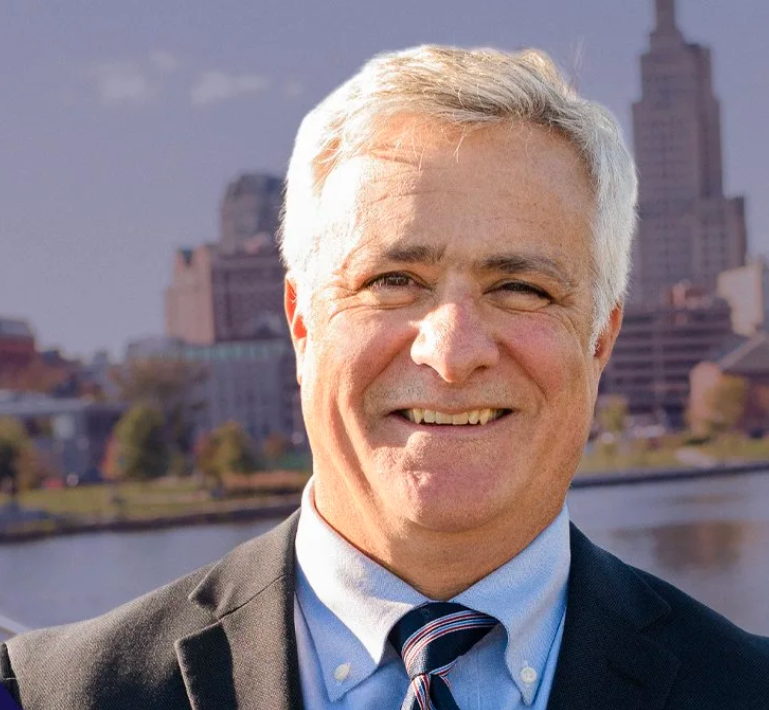
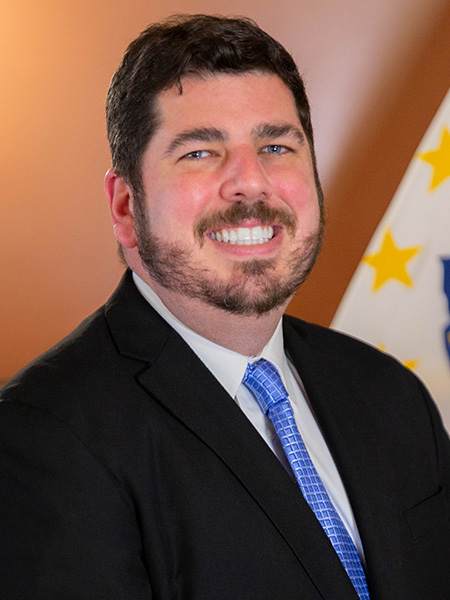
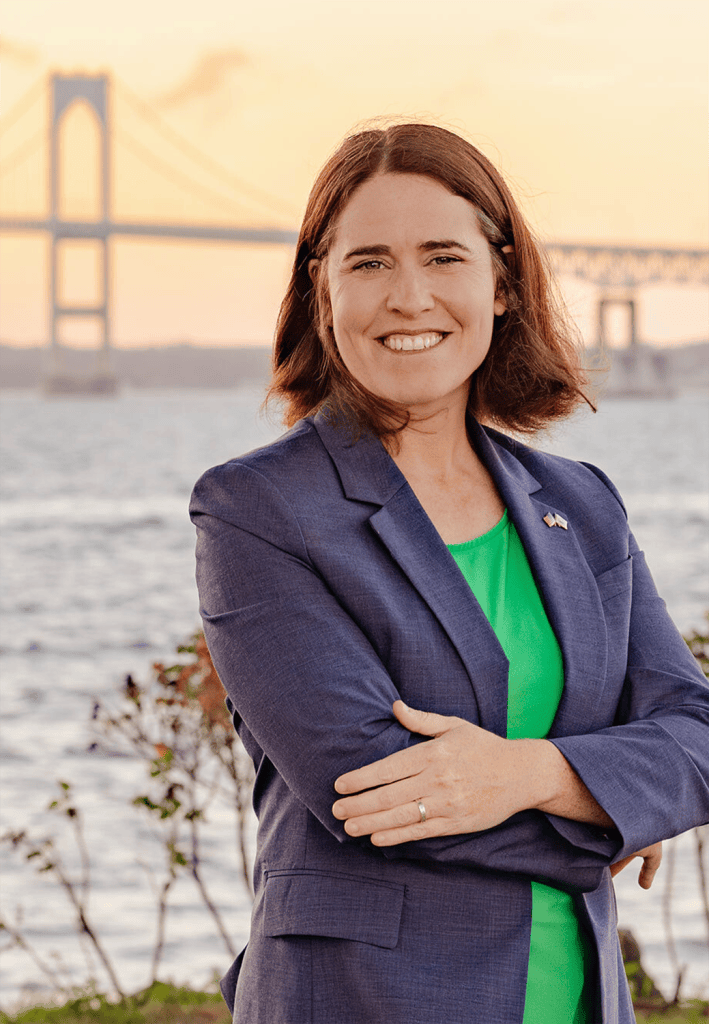
Attorney General
(all 4 candidates are Democrats)
1. Rhode Island is already experiencing the effects of climate change, such as stronger storms and coastal flooding. How, as attorney general, do you plan to protect the state’s environment and natural resources?
Joseph Solomon: Rhode Island has 400 miles of coastline, and the water has already risen close to a foot since the 1920s. That’s not abstract to anyone who lives here, it’s flooded streets, damaged property, and a Narragansett Bay we can’t take for granted. The Attorney General’s job is enforcement. When a company contaminates our land or water, we hold them accountable and we make them pay to clean it up, the same way the office recently recovered money from Monsanto over PCB contamination and has pushed to clean up the Port of Providence. We’ll use every tool the law gives us to go after polluters, protect our shellfisheries and drinking water, and stand with DEM and CRMC. And when the federal government tries to claw back the clean-energy and infrastructure dollars Rhode Island was promised, including our offshore wind investment, we’ll be in court defending them.
Kim Ahern: Rhode Island is already seeing the effects of climate change, and we have a responsibility to act. As Attorney General, I would use every tool available to protect our environment, our coastline, and the communities that depend on them. I spent part of my career prosecuting environmental crimes. I’ve seen what happens when bad actors cut corners, pollute our environment, or put profits ahead of public health. The Attorney General has a responsibility to hold those actors accountable, and that’s exactly what I will do.
But this is about more than enforcement. It’s also about protecting Rhode Island’s future. We
need to continue investing in clean energy, defending our natural resources, and helping communities prepare for the impacts of stronger storms, flooding, and sea level rise. And when Donald Trump comes after our offshore wind industry and weakens protections for our clean air and water, I won’t hesitate to take him to court.
Keith Hoffman: Protecting Rhode Island’s environment means protecting our health, our economy and the places that make our state home.
As Attorney General, I will effectively enforce environmental laws against corporate bad actors and other powerful interests that pollute our air, contaminate our water or damage Narragansett Bay and our coastline. When companies profit by leaving Rhode Islanders to pay for the cleanup, the Attorney General should take them to court and make them pay.
I would also defend Rhode Island’s clean-energy investments and climate policies when they are threatened by unlawful federal action. Climate change does not stop at state borders, and neither can our response.
At the same time, enforcement must begin in our own communities. Low-income neighborhoods and communities of color have too often borne the greatest burden from pollution, industrial development and unhealthy housing. Environmental protection must include environmental justice.
As a top leader in the Attorney General’s Office, I helped expand the office’s role in preventing harm rather than simply responding after it happened. I would bring that same approach to protecting Rhode Island’s natural resources: strong enforcement, early intervention and a willingness to take on anyone who puts private profit ahead of the public good.
Jason Knight: Global climate change is an existential threat to our state and our world, even if the president and federal government want to pretend otherwise. As a member of the House Committee on Environment, I’ve been working on these issues for years.
Top of mind for me is that we need to reform the Coastal Resources Management Council (CRMC). This political body is no longer able to properly respond to the mounting environmental crises we face. It should be depoliticized, professionalized, and brought under the auspices of the Department of Environmental Management. As Attorney General I will continue to advocate for this move.
Additionally, the Attorney General plays a vital role in holding industrial polluters accountable. Paying particular attention to the designated Environmental Justice Zones and communities that have borne particular historical impact such as in the Port of Providence area, I will bring all tools to bear in acting as the people’s lawyer, defending the commitments of the Act on Climate and our rights to a clean, safe environment.
2. Reports of hate crimes and discrimination have increased in recent years. What steps would you take to investigate these crimes, prosecute offenders and support affected communities?
Joseph Solomon: A crime committed because of who someone is: their race, religion, who they love, or a disability, is an attack on the whole community, and we’ll treat it that way. I’ll continue the coordinated civil rights approach the office has built, with dedicated attorneys and a hate-crimes liaison in every police department, so these cases are identified, reported accurately, and prosecuted. Rhode Island law also lets the Attorney General bring civil action and seek injunctions against bias-motivated conduct, and we’ll use that authority. As a legislator, I’ve watched the General Assembly try five times to pass a hate-crime sentencing enhancement and fail. Prosecutors deserve that tool, and I’ll fight for it. Just as important, we’ll make sure victims aren’t left on their own: connecting them to services and protecting the federal victim-assistance funding that supports them.
Kim Ahern: Hate has no place in Rhode Island, and what makes hate crimes especially harmful is that their impact goes beyond one person to target an entire community. Throughout my career, I’ve worked closely with police departments across Rhode Island, providing trainings on LGBTQ+ issues, antisemitism, and other forms of discrimination and hate crimes. These experiences taught me that combating hate crimes requires both strong enforcement and strong relationships.
As Attorney General, I will make the investigation and prosecution of hate crimes a priority. I will work closely with local law enforcement to ensure officers have the training and resources they need to identify and investigate these cases properly, and I will make sure victims and their families have access to support and services. Just as importantly, I will continue building relationships with faith leaders, advocacy organizations, and community groups across Rhode Island.
Keith Hoffman: Every Rhode Islander deserves to feel safe, respected and protected, regardless of who they are, where they come from or whom they love.
I created and led the Attorney General’s Civil Rights Unit to ensure that antidiscrimination laws are enforced. We brought prosecutors, investigators and civil rights attorneys together, created partnerships with police departments and established a network of hate-crimes and civil-rights liaisons in law enforcement agencies across the state.
As Attorney General, I will continue to strengthen that team and encourage victims and community organizations to report discrimination and bias-motivated violence. Local police must receive continued training on identifying, documenting and referring potential hate crimes, because a case cannot be prosecuted properly if bias evidence is overlooked at the beginning.
The Office should use every available criminal and civil remedy, including hate-crime sentencing enhancements and court orders stopping threats, violence or intimidation.
Supporting affected communities also requires more than appearing after something terrible happens. The Attorney General must build relationships before a crisis, communicate honestly during investigations and ensure that victims understand their rights and the status of their cases.
Hate is not merely an expression of prejudice when it becomes intimidation, discrimination or violence. It is a threat to the freedom and safety of our entire community.
Jason Knight: Hate crimes are a form of terrorism often directed at the most vulnerable members of our community and they should never be tolerated. As Attorney General, I will vigorously prosecute all crimes involving discrimination or bias.
The harm that comes from these offenses extends beyond the victim into the entire community. Crimes motivated by hate or bias must be taken seriously and prosecuted to the fullest extent of the law.
As Attorney General I will ensure that law enforcement throughout Rhode Island are thoroughly and properly trained on identifying, investigating and documenting hate crimes so that when we set out to do justice for Rhode Islanders, we can deliver on our goals.
We also need to change the hate crimes sentencing enhancement law. It was poorly drafted when it was passed and it is nearly unworkable as a tool for the prosecution. It needs to be updated and amended.
3. How would you balance collaborating with the federal government while remaining willing to challenge it when necessary? How do you feel about the legal opposition by RI to federal administrative initiatives on a number of fronts, currently in progress?
Joseph Solomon: The two aren’t in tension, an Attorney General’s job is to put Rhode Island first, full stop. Where Washington is a good partner, funding our schools, prosecuting real crime, keeping people safe, we work with them. When they act unlawfully and it costs Rhode Islanders money, jobs, or rights, we go to court. The litigation the office is already part of is the right call: fighting the freeze on federal funding our state was owed, defending education dollars, protecting health coverage under the ACA, and pushing back on the stop-work order that threatened a nearly finished offshore wind project and the jobs that come with it. This isn’t about party, it’s about the law and about Rhode Island’s money staying in Rhode Island. I’ll continue that work.
Kim Ahern: The Attorney General’s number one job is to keep people safe, whether that’s from a criminal in our community or the criminal who currently occupies the White House. Certainly if the federal government is doing things to help Rhode Islanders then I will embrace the opportunity to work together, and I applaud the work of Rhode Island’s Congressional delegation who have brought critical resources back to our state. But in today’s world, the White House’s actions are most often undermining and threatening our rights and freedoms, and the Attorney General must be the first line of defense.
For me, that fight is personal. My wife and I are raising three daughters in Rhode Island, in a world where our marriage, our bodily autonomy, and just about every fundamental right we take for granted is under attack by the Trump administration. Whenever anyone – and especially the President of the United States — tries to roll back civil rights protections, attack reproductive freedom, target LGBTQ+ families, weaken environmental protections, or violate the law, I will lead the charge to protect Rhode Islanders. I have spent my career taking on big fights and winning, and that’s what I will do as AG.
Keith Hoffman: Rhode Island’s Attorney General should work with the federal government whenever that cooperation makes our state safer and stronger, but be prepared to respond forcefully when a presidential administration breaks the law and harms Rhode Islanders.
Federal partnerships are essential to combating organized crime, gun trafficking, cybercrime, public corruption and other threats that cross state lines. Those relationships should be professional and focused on serving the public, regardless of which party controls the White House.
But cooperation is not submission. I strongly support Rhode Island’s current legal challenges to unlawful federal actions – in fact, I led them. I am the only candidate in this race who has done this work and succeeded at it. In senior leadership in the Attorney General’s Office, I helped lead successful lawsuits against the first Trump administration, protecting Rhode Island’s residents, institutions and federal funding.
I know how to distinguish a genuine legal violation from a political disagreement, build a strong case and work with other states to stop unlawful action before the damage becomes irreversible.
When collaboration serves Rhode Island, I will collaborate. When the administration unlawfully attacks our rights, health care, environment, educational institutions or economy, I will fight back. Independence means being willing to do both.
Jason Knight: The Trump administration is currently engaged in stripping away our rights and tearing at the Constitution. We will do whatever we can to push back and stop any illegal or unconstitutional action the Administration makes that hurts Rhode Islanders. Rhode Islanders should not live in fear of their own federal government. We will make sure that they are protected. When the federal government acts within the law and abides by the Constitution we will work with them if it helps us do our job to protect Rhode Islanders from crime and to protect their rights.
4. The legal landscape in America, and in RI, often involves larger corporations using the law against smaller entities or individuals. What is the AG’s role in that evolving conflict?
Joseph Solomon: This is exactly why the office matters. An individual or a small business can’t outspend a national corporation or an insurance company in court, but the Attorney General can stand on the other side of that fight, and that’s a big reason I’m running. That means enforcing our consumer protection and antitrust laws against corporate consolidation that squeezes out competition and raises prices, taking on predatory insurance practices, and holding utilities accountable to the people who pay the bills. I’ve done this as a legislator, I wrote the law requiring banks to report suspected financial scams targeting seniors, and I’ve fought insurers to protect affordable access to care. As Attorney General, we make sure the law works for regular Rhode Islanders, not just for whoever can afford the most lawyers.
Kim Ahern: One of the Attorney General’s most important responsibilities is making sure the law works for everyone. Too often, workers, consumers, and small businesses find themselves up against powerful interests that assume they can get away with cutting corners or breaking the rules. The Attorney General’s office must be willing to take on those fights. Whether it’s wage theft, consumer fraud, anti-competitive conduct, price gouging, or other forms of corporate misconduct, I believe there must be real accountability.
I’ve spent my career standing up for people who don’t have the power or resources to stand up for themselves. As Attorney General, I would continue that work by being a strong advocate for workers, consumers, and small businesses, and by making sure that nobody gets a free pass simply because they’re wealthy, connected, or powerful.
Keith Hoffman: The law should protect people from abuses of power, not become another weapon that powerful interests can use against them.
Large corporations have teams of lawyers, lobbyists and consultants. An individual consumer, tenant, employee or small-business owner often has none of those advantages. That imbalance is precisely why a strong Attorney General’s Office matters.
The Attorney General cannot serve as every person’s private lawyer, but the office can investigate patterns of misconduct, bring enforcement actions, recover money for victims and stop practices that no individual could realistically challenge alone. As a top leader in the Attorney General’s Office, I helped expand our work in consumer protection, health care, housing, civil rights and corporate accountability. I have seen how the office’s authority can change the balance of power when it is used aggressively and strategically.
Markets work only when the rules are fair and enforceable. Businesses that treat customers, workers and competitors honestly should not be placed at a disadvantage by those willing to exploit people or break the law. The Attorney General must be willing to take on powerful interests and make sure the same rules apply to everyone.
Jason Knight: The Attorney General should be the people’s lawyer. That means standing up to
corporate greed and unlawful, deceptive or coercive practices—especially when corporations use the law as a cudgel against smaller entities. As Attorney General I will vigorously stand up for Rhode Islanders when they are abused in any way by corporate greed. Fighting for consumers is one of the core missions of the office.
5. What do you see as the AG’s role in the still-budding cannabis industry?
Joseph Solomon: Rhode Island voters made this legal, and the industry is already generating tens of millions in sales, so the question now is whether it operates fairly, safely, and by the rules. The Cannabis Control Commission is the regulator, the Attorney General is the legal backstop: the consumer protection, the enforcement against the illicit market and against anyone putting product in the hands of minors or impaired drivers, and the sound legal advice that keeps the state’s decisions on solid ground.
And that last part matters, because it’s where this rollout has fallen down. Years after voters approved this, the licensing rules were built on a residency requirement that a federal judge threw out, froze the whole lottery, and left applicants who were promised a fair shot, including the social-equity applicants this law was written to help, still waiting. A residency rule like that was a predictable legal problem; other states had already seen it struck down. That’s the difference good legal judgment makes on the front end. The Attorney General should be the check that keeps a program on defensible footing before it collapses in court, not the office left to clean up the mess afterward. Rhode Islanders were promised this would be up and running by now. It isn’t, and they deserve to know why.
Kim Ahern: I come to this issue with a unique perspective because I had the honor of serving as Rhode Island’s first Chair of the Cannabis Control Commission and helping build our adult-use cannabis system from the ground up.
From the beginning, I believed my job was to build a system based on safety, transparency, and equity. I saw my role as a firewall against powerful special interests, insiders, and lobbyists hoping to rig the system in their favor, and I was proud to cast the tie-breaking vote for a lottery system that ensured nobody would get special treatment.
As Attorney General, my role would be to protect the integrity of that system. That means ensuring businesses follow the law, protecting consumers, preventing corruption, and guaranteeing that the rules are enforced fairly and consistently.
It also means staying committed to the principle that guided our work from the start: that communities disproportionately harmed by cannabis prohibition should have a meaningful opportunity to participate in the industry that followed it.
Keith Hoffman: Legalization should create a safe, transparent and fair cannabis market, not a system where opportunity depends on political connections or endless bureaucratic delay. It is extraordinary that one of my opponents, Kim Ahern, last worked overseeing the extraordinary dysfunction at the CCC, yet believes she is prepared to lead a vastly more complex and important state office.
I am deeply concerned by the slow pace of licensing in Rhode Island. Social equity and worker-coop applicants have been treated extremely unfairly, to say the least. Those licenses were intended to help address the disproportionate harm that cannabis prohibition and the war on drugs inflicted on certain communities. Years after legalization, that promise remains largely unfulfilled, while existing businesses continue to benefit from limited competition. Recent litigation has caused further delays (also caused by Commissioner Ahern’s failures), but the state’s licensing failures began well before the court intervened.
The Attorney General should protect the integrity of the process by investigating credible allegations of favoritism, corruption or improper influence and ensuring that licensing decisions are transparent and lawful. The office must also protect consumers, enforce labor and environmental laws, prosecute illegal trafficking and distinguish genuine public-safety threats from technical violations that can be corrected.
Rhode Islanders were promised a regulated industry that would promote safety, equity and economic opportunity. The Attorney General should help ensure that the state finally delivers on that promise.
Jason Knight: I support people’s rights to use cannabis legally and responsibly as regulated by the law, and I believe that people of color who were victimized by mandatory minimum sentencing for possession should benefit from the legalization of cannabis businesses. The AG doesn’t have a formal role in managing the recreational cannabis market, but should always keep an eye out for any practices in the cannabis industry that are not friendly to the consumer, and likewise should engage in any appropriate consumer protection actions that are warranted — just like any other industry.
6. What’s your favorite RI food, and what’s your favorite spot to find it?
Joseph Solomon: Pizza strips, from Sal’s Bakery in Providence, have to be my favorite Rhode Island food because it reminds me of when I used to visit my grandparents on Sundays. Before visiting them, my dad and I would pick up a box of red and white pizza strips fresh out of the oven.
Kim Ahern: Rhode Island’s food scene is second to none, and it’s hard to pick just one favorite! For a quick, delicious meal, my go-to spot is Lotus Pepper on Hope Street. But whenever I have out-of-town guests visiting, I always bring them for some ceviche at Los Andes.
Keith Hoffman: My favorite Rhode Island food is pizza, especially the Roni Island from Pizza Marvin.
One of the things I love about Rhode Island is that our food tells the story of our state. It reflects generations of immigrant families, coastal communities, neighborhood institutions and small businesses that people remain loyal to for decades.
In Rhode Island, asking someone where to find the best pizza strip, stuffie, hot wiener or bowl of chowder can lead to a serious debate, usually involving a place their family has visited since childhood. Those traditions are part of what makes living here special.
And because this is Rhode Island, I recognize that my favorite pizza joint will be passionately disputed by someone who lives no more than 20 minutes away.
Jason Knight: There’s nothing more Rhode Island to me than my grandmother’s Italian cooking, and there’s only one place you can get it now: Viola Cucina in Barrington.
Governor
(Democrat Helena Foulkes is running against Dan McKee, who did not respond. Republican Aaron Guckian is running against Elaine Pelino and Robert Raimondo, who did not respond.)
1. Do you see charter schools fitting into the future educational landscape of RI, and if so, how would you propose to handle their funding and staffing relative to other public schools?
Helena Foulkes: One of the strengths of Rhode Island’s public education system is that we have many types of public schools. We have traditional district schools, we have charters, and we also have career and technical schools in our state. We know kids need different things. When our public schools can be responsive to what children need and families want, I think that’s something to celebrate, not tear down.
As part of my campaign I’ve been speaking with families across the state. All they want is for their kids to find schools where they can learn, feel safe, and be empowered to make decisions about their future, whether that is college or a job when they graduate. They want their kids to have the knowledge and skills they need to get good jobs. They don’t care what type of public school it is. They just want to know that there is a public school in our state that they can access that will be right for their child.
With 90% of our kids in public schools, we should be making sure that every single one of our 300 schools is excellent. No matter the zip code, every child deserves to learn to read, write, do math, and think critically, and have a real shot at building a great life. Education is crucial to our children, their future job opportunities, families all over our state, and as governor, I’m going to make sure that every kid in Rhode Island can get a great public education.
Aaron Guckian: Yes. Charter schools should remain part of Rhode Island’s public education system. I served on the board of Blackstone Academy Charter School in Pawtucket, and early in my career I was a public school music teacher in North Kingstown, so I have seen education from different perspectives.
My focus is not charter schools versus traditional public schools. It is whether every child has access to an excellent education and whether teachers have the resources and freedom to teach.
Funding needs to be fair, transparent and centered on the student. We also need to address the unintended financial consequences that enrollment changes can have on traditional districts. I want successful schools to share what works rather than having different parts of public education fighting over limited resources.
I also want to give teachers more time to teach. My Rhode Island Works Smarter initiative would ask educators directly which paperwork, administrative requirements and mandates can be eliminated or streamlined.
2. Rhode Island is famous for its potholes. Would you lean into that branding? Is there a path to repairing our roads and maintaining our highways? Where does public transportation fit into your transit plans? What are your thoughts about the transit centers?
Helena Foulkes: Rhode Island’s size and geography position us well to be a state that really leans into multimodal transportation but our leaders haven’t embraced our strengths. We need to do more to ensure Rhode Islanders can get where they need to go however they choose. And as owning a car becomes more and more expensive, we should lean into expanding multimodal transportation so Rhode Islanders can utilize the forms of transportation that best work for them and their families. That includes ensuring consistent investments in public transportation. Rhode Islanders rely on public transportation to get to work, school, and for daily life.
There’s also a lot we can do to make it more convenient and safe for RIPTA riders, and to strengthen our public transit system. Governor McKee’s cuts to RIPTA nearly eliminated routes and cost drivers their jobs before a last-minute budget patch. But the McKee administration found tens of millions of dollars to pay for tow trucks on the Washington Bridge. As governor, I’ll invest $15 million in job-access transit connecting workers to places like Quonset and our hospitals. I’ll also lean into transit-oriented development so Rhode Island can attract and retain young people.
And of course, the quality and safety of our roads and bridges matter. Rhode Island has the worst roads and bridges in the country, yet we’re spending a billion dollars a year on transportation. It doesn’t have to be this way. The Washington Bridge failure is the poster child of neglect and poor oversight from RIDOT. We need to in-source engineering, have tight control over inspections, and work to change the culture of the entire department. With new leadership, we can ensure funds are maximized to improve the condition of roads and bridges across the entire state.
Aaron Guckian: I might joke about Rhode Island potholes, but I would never accept them as part of our identity. Rhode Islanders pay enough in taxes and fees to expect basic infrastructure that works.
The bigger issue is management. We need to prioritize preventive maintenance instead of repeatedly paying more when roads deteriorate, improve coordination between utilities and road projects, and hold contractors accountable for the quality and durability of their work.
Public transportation is essential, particularly for seniors, workers, students and people with disabilities. RIPTA needs to be reliable, safe and designed around where people actually need to go. Transit centers should make transportation easier, not become expensive projects disconnected from riders’ needs.
Rhode Island is small enough to build an integrated transportation system that connects our cities, employment centers, airport, train stations, colleges and major economic hubs. We should think like one state rather than 39 separate transportation systems.
3. To serve as Governor, how important is it to have a dedicated background in politics?
Helena Foulkes skipped this question.
Aaron Guckian: I don’t believe being a career politician is a prerequisite for being a good Governor. In fact, Rhode Island could benefit from bringing more experience from outside traditional politics into the State House.
I served in the Carcieri administration for two terms, but my career has also included banking, nonprofit development, education, health care advocacy and community service. I have managed organizations, worked with businesses, teachers, health care professionals and labor families, and served in government.
A Governor needs to understand government, but just as importantly, needs to understand the people government is supposed to serve.
4. How would you address RI’s housing shortage/affordability crisis? What specific policy changes would you support to increase housing construction? Is this a statewide issue, or one for the municipalities, and what do you see as effective measures in the short-term and the long-term?
Helena Foulkes: The number one issue I hear from Rhode Islanders is the cost of housing. There isn’t a single town in Rhode Island where someone making less than $100,000 per year can afford the median home. I’m going to be a governor who fights to make sure you can afford to live and raise your family here. That’s why we’ll build 20,000 new homes and apartments Rhode Islanders can afford, paid for with a millionaire’s tax.
This is an all‑of‑the‑above housing plan that will build housing units priced for low-income Rhode Islanders as well as middle‑class families who are also feeling squeezed by housing costs. But I also know people are hurting right now, so my plan has immediate protections while we’re getting homes built, like rent relief. Five percent of my Rhode Home Program dollars — about $28.5 million — are set aside for targeted rent relief in the first four years. We’ll also have a Tenant Bill of Rights to protect renters from anti-transparent rental practices and junk fees, and put reasonable limits on evictions, especially during snowstorms like we experienced last winter. And we’ll stop Wall Street speculators from buying up Rhode Island’s housing stock and driving up prices.
Aaron Guckian: Housing is both a state and municipal responsibility, and neither level of government can solve it alone.
In the short term, we need to make it easier to build. I support predictable permitting timelines, expedited review for appropriate housing projects, redevelopment of vacant and underused properties, and reducing unnecessary regulatory barriers that add time and cost without improving safety.
The state should provide incentives and infrastructure assistance, but municipalities need a meaningful voice because they understand their communities, schools, roads, water and sewer capacity.
Long term, we need housing at multiple price points: workforce housing, starter homes, apartments, senior housing and opportunities for homeownership. I am particularly interested in creating housing opportunities for veterans, teachers, nurses, first responders, tradespeople and other members of our workforce.
The goal should not simply be to announce a housing-unit number. It should be to make Rhode Island a place where someone who works here can afford to live here.
5. How do you see the role of governor interacting with the current national political climate, if at all?
Helena Foulkes: There is so much chaos and cruelty coming out of the Trump administration and now more than ever we need a strong Democratic governor to stand up to Trump and protect Rhode Islanders.
Aaron Guckian: My responsibility as Governor would be to Rhode Island first.
There will be times when I agree with Washington and times when I advocate strongly for Rhode Island’s interests. A Governor should be able to work with a President, a congressional delegation and leaders of either party when doing so benefits the state.
Rhode Islanders are tired of every issue becoming a national partisan fight. We have roads to repair, housing to build, schools to improve, health care challenges to address and an economy that needs to become more affordable.
I want Rhode Island to become known as a state that gets things done.
6. What role should the State play in funding arts and humanities, particularly during times of fiscal constraint? Would you support increased investment in the RI State Council on the Arts and the RI Council for the Humanities? Why or why not?
Aaron Guckian: This one is personal to me. I started my career as a music teacher, studied music and opera, and performed professionally. I know that arts education is not an extra. It teaches discipline, creativity, confidence, collaboration and communication.
The arts and humanities are also part of Rhode Island’s economy and identity. They contribute to tourism, our historic communities, our colleges and universities, and the quality of life that helps attract people and businesses here.
I support strong state partnerships with the Rhode Island State Council on the Arts and the Rhode Island Council for the Humanities. During difficult fiscal periods, however, every part of government should demonstrate results and leverage state dollars with federal, philanthropic and private support.
My Rhode Island Works Smarter initiative is designed to find savings elsewhere in government so our first reaction does not always have to be cutting programs that enrich our communities.
PVD Mayoral
(Both candidates are Democrats)
1. What role should the city play in addressing homelessness and increasing access to affordable housing? What do you see as the root causes of the current housing crisis, and how would you address them?
Brett Smiley (Incumbent): People and families across our city are really struggling with the cost of living right now. Everything from groceries to gas is too expensive, and rent has become increasingly unaffordable. Housing stability is fundamental to the health and strength of our communities and that is why my administration is using every proven strategy to build new affordable housing, invest in short-term shelter solutions, and protect neighbors at risk of eviction.
Providence is facing a serious housing shortage, and that shortage is the root driver of rising rents. Demand is high, and supply has not kept pace for decades. That is why I established the first Housing and Human Services Department in the city to tackle the underlying problem by building more homes at every price point, preserving existing housing, and expanding targeted protections and support for residents who are at risk of displacement. We were the first city in Rhode Island to adopt new zoning and permitting reforms to allow us to build more housing quicker; we have created housing preservation programs, tenant education programs, and eviction legal defense programs; over 2,000 new housing units have been built at all price points, including a significant portion for which is permanently affordable, meaning the rent is tied to income; and we have funded a million-dollar emergency rent relief program to help hundreds of families at risk of eviction right now. That program was passed unanimously by the City Council and is fully funded to help keep hundreds of families in their homes, but it is currently being held up by my opponent’s allies until after the election in order to score political points. This is the worst type of politics and our neighbors can’t afford to wait.
David Morales: Our city must treat the housing crisis like the emergency it is. Providence has been ranked the least affordable city in America for renters, with rents rising faster than wages as working families are being priced out. As Mayor, my administration will champion and enforce the City Council’s proposed rent stabilization ordinance to limit annual rent increases at 4%. At the same time, we will use the power of our Public Housing Authority to acquire vacant land and transform it into permanently affordable housing for our community. Our priority would be to provide the working people and families who call Providence home access to affordable homes and stability.
On homelessness, I will lead with housing, not punishment. Sweeping encampments and criminalizing poverty does not solve homelessness; it only moves it. My administration will adopt a housing-first approach that pairs permanent supportive housing with wraparound mental-health and social services, coordinated so that people do not fall through the cracks.
2. How would you prioritize funding for education and youth programs in the city’s budget? Where do charter schools fit in? What needs to be done differently?
Brett Smiley: I’m proud that my administration has made the largest investment in our schools in decades, and I’m committed to continuing to ensure our students, teachers, and staff have the resources they need to deliver the outcomes our students deserve.
One of the first things I did as mayor was hold community listening sessions on education, and we’ve continued gathering feedback ever since. The input we received was consistent around increasing resources for multilingual learners, advocating for more state funding for students with highest needs, and negotiating a contract with our staff that ensures a stronger focus on student achievement. All of these are central to our return-to-local-control blueprint.
At the same time, while the State controlled our schools, we made progress in every area under our control: we more than doubled the number of Pre-K seats and became the first city in Rhode Island to achieve universal access to Pre-K; we invested in after-school and summer programs; and we made historic improvements in school construction so every Providence student can learn in a new or like-new building by 2030.
In my second term, I will focus on ensuring all our students have the supports they need, our families have the best options for early education for our youngest learners, and our cradle-to-career strategy provides every young person in Providence with a pathway to long-term success.
When it comes to our public charter schools, I take my direction from Providence families. For every seat in a charter school, there are three students on a waitlist. Our families want more of these high-quality seats, and I’m disappointed that Representative Morales voted for a moratorium that is preventing those seats from becoming available – including a new bilingual school that was ready to open in our community.
David Morales: Our Providence Public Schools are facing a real staffing crisis. Too many classrooms still lack permanent, full-time teachers, even as the number of multilingual learners and special education students continues to grow. At the same time, critical support staff like counselors, social workers, culture coordinators, and librarians are often the first to be cut when budgets fall short, weakening the foundation our students rely on. This is directly impacting academic performance, attendance, and family engagement. As Mayor, my administration will address this crisis and meet the moment with increased investments. We will work alongside the School Board and educators on the frontlines to increase local funding for our public schools, with clear safeguards to ensure those dollars go toward teacher retention and hiring the support staff our students need. We will also invest in our educators by expanding access to certification pathways in bilingual and dual language education, as well as special education, so we can meet the needs of every student in every classroom.
As someone who has worked in a charter network myself, I know firsthand that our existing charter schools serve thousands of Providence students and families, and I will continue to support them. I recently voted for a three-year statewide moratorium on new charter approvals because Providence is at a critical moment as we transition back to local control. Our traditional public schools, which serve the vast majority of our students, need stability, resources, and the opportunity to rebuild. That said, we can support the charter schools that already serve our families without an immediate expansion that would pull critical funding away from our district schools.
What needs to be different is simple: stop underfunding our schools and start treating educators and families as partners.
3. What steps do you plan to take to improve trust between law enforcement and the communities they serve?
Brett Smiley: I’m proud of the progress we have made in making Providence a national example of community policing. From improving police transparency, to increasing the number of patrol officers on foot and in the communities they serve, to recognizing that not every emergency requires a response from an armed officer, we have made meaningful progress in building trust between our officers and neighbors.
We ran three police academies in three years, recruiting from local neighborhoods to train 100 new officers. We invested in community policing. We removed over 1,100 illegal guns from our streets. We all-but-eliminated the daily ATV nuisance. We appointed the first fire chief in over a decade and created a dedicated EMS bicycle unit to address overdoses, mental health crises, and other nonviolent incidents. We partnered with social service agencies and nonprofits to provide wraparound services on issues ranging from homelessness, to behavioral health, to victim support, freeing up our officers to focus on violent crime. And we created the Real Time Crime Center to better coordinate responses across agencies.
As a result of these actions, last year we saw the lowest number of homicides on record and the lowest violent crime rate in 35 years. And that is exactly why public safety has become a defining issue in this campaign. My opponent’s repeated calls for cutting police funding and disparagement of Providence police officers as “criminals” who “do not care about our community” – positions he has either refused to recant or changed only after he decided to run for mayor – means all of this progress is on the ballot in September.
David Morales: Trust is built through accountability and investment, not slogans. My administration will take a community-centered approach to public safety that combines effective emergency response with violence prevention, genuine accountability, and restorative practices. That means investing in resources that actually prevent harm, like youth programs, mental-health services, and stable housing, so we are not asking police to be the answer to every social problem. It means real civilian oversight and transparency, so that when something goes wrong the community can trust it will be addressed rather than buried. And it means strengthening protections like the Community Safety Act. People trust institutions that treat them with dignity and that they can hold accountable, and that is the relationship I intend to build.
4. What does it mean to be a sanctuary city? What is your approach to interactions between local law enforcement and federal authorities?
Brett Smiley: Providence’s diversity is our strength, and my top priority remains the safety, dignity and well-being of every person in Providence, regardless of immigration status. While the term “Sanctuary City” has no legal definition and means something different in each community, I am committed to protecting all our neighbors and residents here in our Capital City.
The reckless and chaotic ICE actions we are seeing across the nation are threatening immigrant communities and stoking fear and uncertainty for all of our neighbors. That’s why I signed three executive orders to make clear and actionable Providence’s commitment to being a safe and welcoming city for all, why I sued the Trump administration nine times, and why I will continue enacting new policies and signing new orders every day if that’s what it takes to keep Providence safe.
The first action I took on this was to sign an executive order making clear that Providence police officers are not immigration officers and will never ask about immigration status. This order also states that the City – including all employees and officers — will never proactively collaborate with ICE and will not support civil immigration enforcement, and it directs any federal law enforcement operating in Providence to follow state law and local police procedures. I also signed additional directives prohibiting the use of City-owned property for civil immigration enforcement activities and ensuring eligible voters can cast their ballots safely, privately, and without intimidation by establishing clear procedures for election-related requests from federal agencies.
As we’ve seen new, damaging directives from the White House, we have continuously provided staff across departments with guidance and resources to protect our community, including dedicated phone numbers for legal support and partnerships with organizations like Dorcas International.
David Morales: Over the last several months there has been a growing presence of ICE across our city leading many of our neighbors to live in fear. Although our city ordinance prohibits Providence Police from cooperating with ICE, there have been instances, including in July 2025, where this has happened. Instead of taking action, our current Mayor denied collaboration and failed to hold anyone accountable. As Mayor, my administration will enforce our sanctuary city laws and hold local law enforcement accountable if they assist ICE in any way. At the same time, we will direct the City Solicitor’s Office to use its full authority to hold ICE agents accountable when they violate our local law, such as referring cases and investigation to our Attorney General’s office. We will also strengthen our community response by establishing a dedicated task force made up of trusted neighborhood leaders and community organizations to share accurate, real-time information and coordinate efforts to protect our neighbors. Our city will unapologetically stand with our immigrant community.
5. What is the role of the arts in cultivating our city’s culture, and how would you promote the artistic side of local culture? Is the moniker “the Creative Capital” still appropriate? Why? What specific steps, measures or programs would you focus funding, time or attention on?
Brett Smiley: The incredible artists in our city are second to none. Providence’s nationwide reputation as the Creative Capital is built upon these artists and the City’s continued partnership with them. My administration understands the importance of supporting and investing directly in our artists while also integrating arts and culture into community life, showcasing Providence as an international cultural destination, and creating more opportunities for neighbors to experience art in their everyday lives.
Through our investments in festivals, educational partnerships, and commissions of public art in every one of Providence’s neighborhoods, I am committed to maintaining and growing the exciting arts and culture scene in our city. Some of the most visible examples are in our public spaces. Through the Ripples Project, we added six signature murals and artwork on fifty electrical boxes across every Providence neighborhood. We also regularly feature emerging local artists in the City Hall Gallery and create paid opportunities for musicians, performers and other creatives through PVDFest, public celebrations and major events. And we provide grants directly to working artists and cultural organizations while developing opportunities that reach people working in different disciplines.
This year, we launched a new residency opportunity for local writers, and we will soon announce plans for Providence’s first literary festival this winter. We also funded the “Life at Night in the Creative Capital” study to better understand and support the businesses, workers, and cultural institutions that keep Providence active after traditional working hours.
Our Creative Capital moniker is a title we must continue to earn. That requires sustained public investment, strong cultural infrastructure, and policies that allow artists and creative businesses to build lasting careers here.
David Morales: The arts are not a luxury in Providence; they are part of who we are and a real engine of our economy and our identity. Yes, the Creative Capital is still the right name, but a name has to be earned, and earning it means making sure artists can actually afford to live and work here rather than being priced out of the city they made vibrant. That is the direct connection between my housing agenda and my arts agenda.
I have a concrete plan to bring Providence’s artists closer to the communities that make our city so vibrant. As Mayor, I will fund artist residencies that bring working artists directly into our public housing communities and libraries as mentors, while expanding support for neighborhood-based arts through partners like AS220, New Urban Arts, the Steel Yard, and the Avenue Concept.
I will work with artists and Providence Public Schools to bring more teaching artists into our classrooms and strengthen our libraries as true community anchors, with the staffing needed to open every branch on Saturdays and extend weekday evening hours. I will also incorporate local artists into our Storefront Improvement Program, creating more opportunities for their work to enliven commercial corridors and neighborhood gathering spaces.
Providence calls itself the Creative Capital. That should mean our rich artistic community is visible, supported, and celebrated in every neighborhood.
6. What is the importance of the Israel/Palestine conflict to the position of Mayor of Providence, or to the mayoral race?
Brett Smiley: The City of Providence does not and should not have a Foreign Affairs Department. What is most important to me is that all of our neighbors from all backgrounds, ethnicities, and religious beliefs feel safe and welcomed in our city.
In recent years, Providence’s Jewish neighbors have increasingly felt targeted and divided by the surge of antisemitism that has unfortunately become too common across our nation. I also know that many of our community members have felt the impact of islamophobia and other unacceptable forms of hate speech and hate crimes. That is why my administration has worked tirelessly to ensure that Providence continues to be the welcoming, inclusive city it is known to be.
Our neighbors are not electing a mayor on the basis of foreign policy – they are electing a mayor who will ensure that Providence remains a safe city that values the diverse opinions and voices of every member of our community.
David Morales: A mayor does not set foreign policy, and I would never pretend otherwise. But this issue matters in our mayoral race because it raises questions that are fundamentally local: how City Hall protects the right to protest, how we invest public dollars, and how we ensure every community in Providence feels safe and respected.
Providence residents care deeply about what is happening in Israel and Palestine, and they have every right to make their voices heard. Over the past two years, my opponent’s administration pursued criminal charges against peaceful student protesters and opposed a local divestment effort, characterizing it as antisemitic. As Mayor, I will protect the right of every resident to peacefully speak out and stand in solidarity with Palestine without fear of retaliation from their city government.
There is also a direct question about how Providence invests public money. I support the Divest from Genocide campaign, led locally by Jewish Voice for Peace Rhode Island, and its call for Providence to stop investing public funds in companies complicit in violations of international humanitarian law. Our city has used its investment decisions to reflect our values before, including through divestment efforts related to Darfur and fossil fuels.
I also want to be unequivocal: my opposition is to the actions and policies of the Israeli government and military, not to Jewish people or our Jewish community. I embrace our Jewish neighbors as an essential part of Providence, and their safety and ability to live openly and without fear will always be a priority of my administration. Criticism of a government must never become an excuse for antisemitism, just as concerns about antisemitism should not be used to silence legitimate criticism of a government.
Ultimately, this issue matters in the mayoral race because leadership is about values. Providence deserves a City Hall that protects peaceful dissent, safeguards every community, and ensures that our public dollars reflect our commitment to human rights.
7. What’s your favorite RI food, and what’s your favorite spot to find it?
Brett Smiley: My favorite place to grab dinner is Not Just Snacks, while my favorite food to pick up and cook at home is any fresh fish from Fearless Fish Market.
David Morales: A Torta de Tres Quesos only found at Capital Hill Taqueria on Smith Street!