McKee’s Budget Includes Rollbacks for State’s Renewable Energy Programs
PROVIDENCE — Five years after lawmakers passed the state’s first firm climate mandates, the historic Act on Climate law is in danger of getting rolled back by the same governor who signed it.
Rhode Island’s environmental groups have already spent much of this year’s General Assembly session on defense, ever since Gov. Dan McKee rolled out his budget in January, slashing and capping various renewable energy and energy efficiency programs.
The governor’s message was a simple one: affordability. Electric and gas bills had climbed to historic highs and the state needed to do everything it could to rein in some of the environmental programs funded by utility charges.
But state environmental groups have contended the cuts will throw out the baby with the bathwater. They say such programs are needed to boost the development of solar energy in RI, cut down on residential and business energy usage, and that in the long run the programs save the state money.
Pushing back the renewable energy standard and reducing the budgets of energy efficiency programs and net metering would have long-term costs not accounted for in the governor’s budget, environmental groups said. The state’s net metering program requires electric distribution companies to credit power produced by renewable energy systems installed behind a customer meter.
Emily Koo, Rhode Island director at the Acadia Center, said energy efficiency programs help Rhode Islanders use the cheapest electricity — the electricity they don’t use.
“Energy efficiency directly lowers bills, and by reducing demand, suppresses prices across the region,” Koo said. “By putting the blame on state mandates and taxes, the governor’s budget ignores the benefits of clean energy and the primary drivers of energy costs.”
Energy costs haven’t returned to the average seen prior to 2022, when the state Public Utilities Commission authorized a 47% hike in electric rates. Last resort service rates, the default electricity plan in Rhode Island, charges 14.77 cents per kilowatt-hour, 40% higher than five years ago.
Most of that cost comes from natural gas prices, because while the US is producing and exporting more natural gas than ever, locally the price in New England is not coming down. The 704-megawatt Revolution Wind project, in comparison, has its prices locked in for a 20-year contract at 9.84 cents per kilowatt-hour.
McKee’s budget proposes to save ratepayers $1 billion in utility costs over the next five years by trimming many of the state programs that added costs to electric bills. Even by the administration’s own admission, however, that will only save ratepayers between $15 and $20 a month.
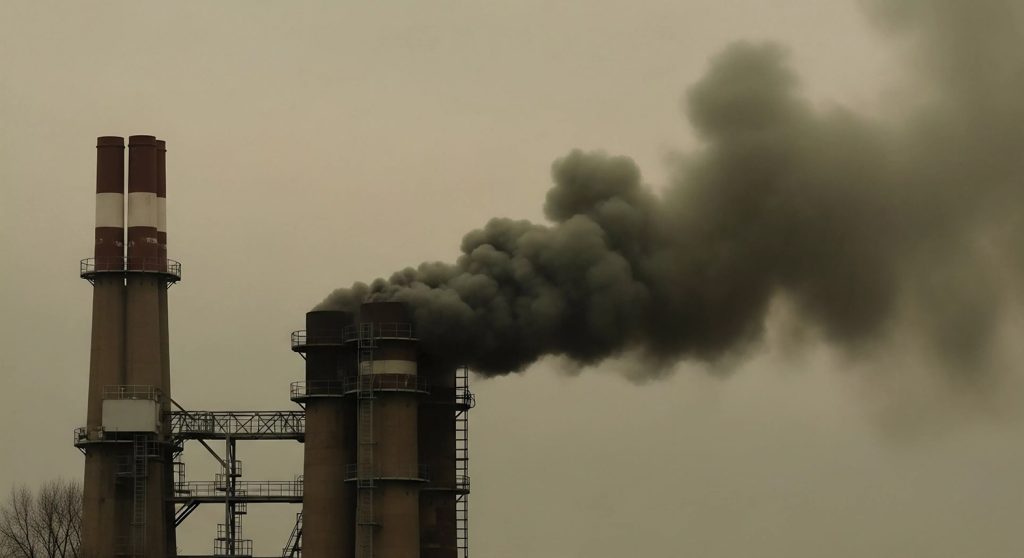
Proposed Climate Superfund Act Would Charge Polluters for Damages
PROVIDENCE — It’s not often you can say a piece of legislation is easy enough for a kindergartner to understand: if you make a mess, it’s your job to help clean it up.
That’s the message climate advocates are bringing to Smith Hill this year for the second year in a row, with the introduction of new Superfund-style legislation. It’s called the Climate Superfund Act, introduced by Rep. Jennifer Boylan (D-Barrington) and Sen. Linda Ujifusa (D-Portsmouth), and it will charge fees to fossil fuel companies that contributed more than a billion tons of greenhouse gas emissions over the past 25 years.
The bill directs the RI Department of Environmental Management to crunch the numbers to find out how much the state is spending on mitigating climate change, and charge fossil fuel companies for their presence in the Ocean State accordingly.
Aaron Regunberg, director of Public Citizen’s Climate Accountability Project and a former state representative, spoke at a press event on Feb 3, pinning the blame on fossil fuel companies such as ExxonMobil, Chevron, and Shell for making massive profits on oil and gas while directly contributing to the greenhouse gas emissions causing climate change.
“It’s an idea so simple my 4-year-old son understands it,” Regunberg said. “It took him a little while to internalize, but if he pulls his stuffed animals outside the toy box, he needs to help pick them up and put them back.”
The impacts of climate change — rising sea levels, increased flooding, higher costs of property insurance, greater risk of wildfire, extreme weather, ocean acidification — are all directly affecting RI and are all expected to snowball in the next century. Roads, seawalls, and municipal sewer systems will have to be moved, heavily rebuilt, or completely reconfigured as the state sees greater coastal and inland flooding. To say nothing of the increased risk of hurricanes, snowstorms, or even long-term droughts that could dry up water supplies.
“These are all messes that Big Oil predicted, that Big Oil caused and profited from causing, yet these are all messes that as of now we’re being forced to pay for,” Regunberg said. “We’re being asked to clean up on our own with zero contributions from the polluters who caused this mess.”
RI is the seventh state this year to introduce climate superfund legislation. Massachusetts, Maine, Virginia, New Jersey, Oregon, and Illinois have introduced similar bills in their legislatures. Vermont and New York have already passed their own superfund bills.
For more details on these stories, and to get more of the latest environmental news, visit ecoRI.org. Subscribe to ecoRI News’ free weekly e-newsletter at ecoRI.org/subscribe.