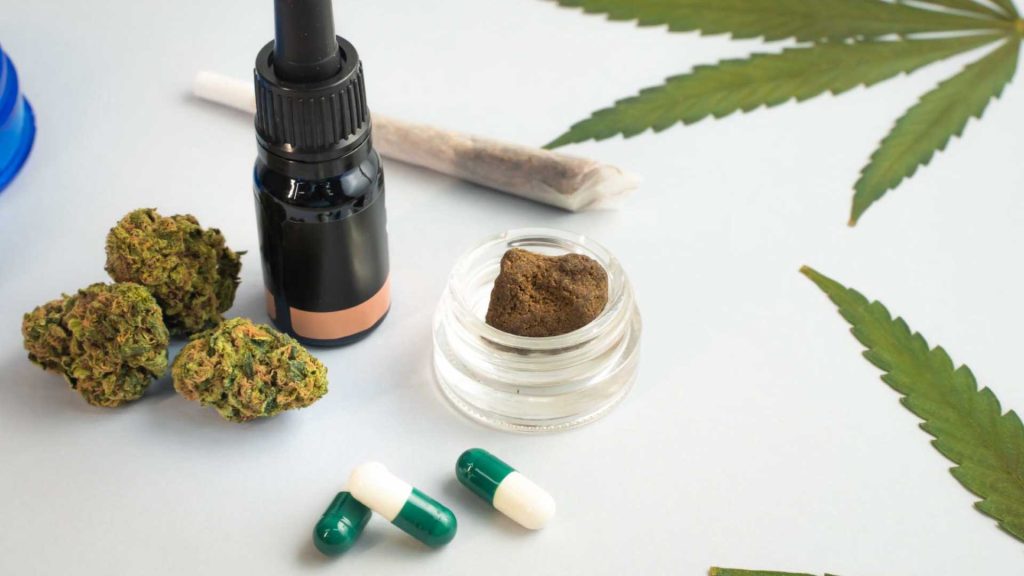
In the face of decades of evidence that cannabis has safe and effective medical uses, the federal government moved it on Apr 23 from Schedule I, which is for drugs such as heroin and LSD that have a high risk of abuse and no legitimate medical purpose, to Schedule III, which is for drugs that have lower risk of abuse and accepted medical purpose, such as ketamine, codeine, and morphine. (Fentanyl and hydrocodone, because they have both high risk of abuse and accepted medical purpose, are on Schedule II.)
In a detailed 34-page order, the US Department of Justice (DOJ) cited international treaty authority and findings of fact in support of the rescheduling, notably, “That marijuana has a potential for abuse less than the drugs or other substances in schedules I and II” and citing widespread non-medical use without serious adverse consequences as evidence of safety.
At this time, only medical – not recreational – cannabis will be rescheduled. The order states: “Placing only FDA-approved products containing marijuana and state-licensed marijuana in schedule III also is consistent with” legal constraints. “By maintaining in schedule I all unlicensed marijuana crops, bulk marijuana, and any marijuana or marijuana extract that has not yet been incorporated into a FDA-approved drug product, and by requiring that state-licensed marijuana satisfy the requirements relating to the purchase and sale of marijuana by DEA, the United States will continue to meet these obligations without disruption or delay.”
DOJ states that this action carries out an executive order issued by President Donald J. Trump on Dec 18, 2025, which said the FDA found evidence for “medical use of marijuana and found scientific support for its use to treat anorexia related to a medical condition, nausea and vomiting, and pain.” This furthers a process begun by the FDA in Aug 2022 and endorsed by then-President Joseph R. Biden in Oct 2022.
The immediate practical benefit of this rescheduling is that medical cannabis will be regarded like any other legal-but-restricted drug: it can be prescribed, consistent with FDA regulations (to be adopted), and those handling it by growing, processing, or distributing it will become legitimate businesses able to use the banking system and incur tax-deductible expenses, including marketing and advertising, without undue restriction. Patients may be able to consider their costs as medical expenses, eligible for consideration under Health Savings Accounts (HSAs), or even reimbursable by insurance like other prescription drugs. Scientific research on cannabis, which was severely encumbered by bureaucracy, will become enormously easier.
The spate of orders clearly regards the very different treatment of medical and non-medical as a temporary situation. A separate 7-page order directs that a review will begin Jun 29 to consider moving non-medical cannabis to Schedule III as well. Because both medical and non-medical cannabis are effectively identical in the entire supply and delivery stream, and the vast majority of state-authorized non-medical cannabis suppliers also handle medical cannabis, keeping the products differentiated by intended end-use would be unsustainable.