In the film Lawrence of Arabia, a blink-and-you’ll-miss-it quote goes: “There is nothing a man looks forward to with more anticipation than his next meal.” As a self-proclaimed foodie, this quote deeply resonated with me. Few things in life get me as excited as the prospect of a meal to come. I see this even in the way I look forward to the changing seasons, anticipating pumpkin pie in the fall, eggnog in the winter, and so on.
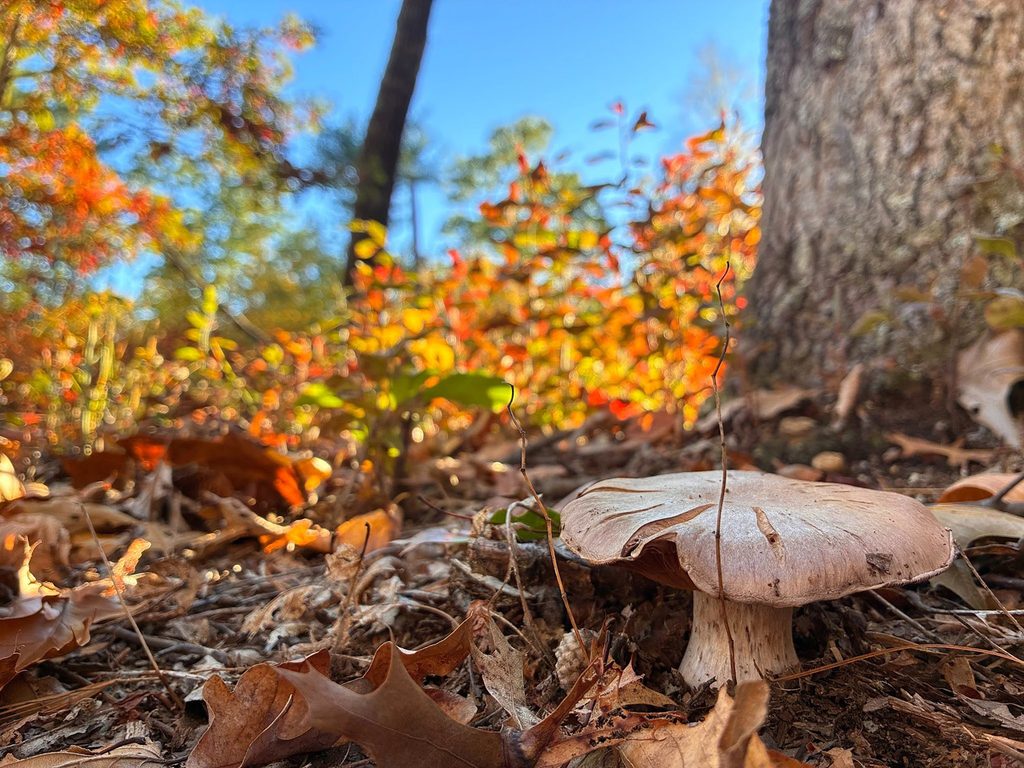
Now that autumn has arrived in Rhode Island, a slew of seasonal flavors are upon us, including some you might not initially think of. Plenty of wild things are out there to find and eat this time of year.
My brother, Dana, is always getting sidetracked on our hikes to scavenge some seemingly dirty, strange-looking plant, only to end up snacking on it along the way. So I decided to enlist him as a consultant for this article. We headed into the woods, with him as my crunchy guide, as he introduced me to the world of fall-time foraging.
Grapes and Berries: Wines and Jams
Concord Grapes. Probably my favorite foraging is for grapes and berries. Concord grapes are at their best and ready to harvest from mid-September through early October, and can be identified by their sweet smell, their large leaves, and their dark purple color.
A simple and delicious way to use these grapes is to make wine (though only if you’re over 21). My first attempt at just fermenting them led to a sour brew, but making it port-style ended up being phenomenal. The process is as follows: Collect the grapes. Put them unwashed in a bucket, and crush them with your hands, picking out and discarding any stems and leaves. Then cover the bucket with a lid and keep it in a lukewarm environment. Over the next few days, watch for signs of fermentation (bubbling and a yeasty/bready smell), stirring the mixture morning and night and pushing the grape skins into the juice to extract their color and flavor.
After four or so days, strain the juice, squeezing as much liquid as possible from the skins by hand. A press would also work. Then check the sugar content with a hydrometer and add Everclear and sugar to bring the wine up to 18% ABV and 8% sugar (sweet and strong). From there, transfer the juice to a glass bottle and let it sit until April. After my friend and I did this last year, I could not believe how easy and delicious the wine ended up being.
If wine isn’t your style, you can also make a great grape jam by washing the grapes, de-seeding them, adding sugar and lemon juice, and boiling the mixture down while stirring constantly. You can also make great foraged jams this way from huckleberries, blueberries, and even wild pears and apples.
Autumn Olives. Autumn olives are another great fall find. This invasive species is commonly found along the edges of fields and open woodland. The plant can be identified by its lance-shaped leaves, which have a distinctive silvery underside, and its red, silver-speckled fruit when ripe. As the name suggests, the fruits ripen in early fall. Autumn olives’ flavor is sweet and tart, becoming sweeter as they ripen. For the best flavor, foragers like my brother recommend waiting until after the first frost to harvest them. The fruits can be used to make juice, wine, and jams.
Nuts: Butter, Protein, Paints and Stains
Black Walnuts
Black walnuts are a pain to crack open, but well worth the effort. It’s a good reminder of the work that goes into producing foods we often take for granted at the grocery store. Black walnuts have several tough layers and can be identified by their green, spherical outer husk surrounding the hard inner shell, which encases the flavorful nut meat.
Chestnuts
Chestnuts ripen and drop from mid-to-late September through October. You can gather the nuts from the ground after they naturally fall from their spiky burrs, or collect freshly fallen burrs and carefully remove the nuts. Avoid picking unripe nuts directly from branches. Typically, two to three chestnuts grow inside each burr.
With both chestnuts and black walnuts, you can roast them and eat them, or make a butter by roasting them and putting them in a food processor with a little bit of salt and vegetable oil. After a long while of blending and pushing the paste back down, you will have a delicious butter that can be sweetened to taste with sugar, honey, or vanilla.
Something really cool I recently saw was people making homemade wood stains out of both chestnuts and black walnuts, which entails simmering the shells of the nuts in water to extract their color and then shellacking the wood after staining so that color does not fade. I will definitely try this with my next DIY woodworking project.
Mushrooms: Stir-Fries, Sauces, Soups, and Pickling
Chicken of the Woods
Chicken of the Woods is a mushroom that has introduced generations of beginners to foraging and the taste of nature, including me and my brother. This tasty, “meaty” mushroom is one of the more recognizable wild mushrooms and is prized for its flavor and texture. Chicken of the woods is bright orange with peachy-yellow edges and typically grows in clusters of overlapping shelves on trees and stumps. It prefers decaying hardwood, especially oak. Unlike gilled mushrooms, the chicken’s underside resembles a sponge. This “tastes like chicken” mushroom is most commonly found during moist, cooler weather in spring and fall, though it can also appear in summer.
My favorite way to prepare this woodland delight is to sauté it in oil with a generous amount of your favorite seasonings for chicken. Slicing and pickling it in vinegar and oil is another great option. Chicken of the woods often grows in large clusters, so having a variety of recipes on hand is a good way to make the most of your haul.
One of the best things you can do is dehydrate the mushrooms and store them in a Mason jar for later use. Dried chicken of the woods is excellent in soups, pasta sauces, and stir-fries, making it easy to enjoy the flavor of the forest long after you’ve brought your harvest home.
Grass: Teas, Salads, Soups, and Stir-Fries
Sour Grass / Common Yellow Woodsorrel (Oxalis)
Common yellow woodsorrel is extremely widespread, making it a great introduction to foraging. Often called oxalis, this plant contains oxalic acid, which gives it its distinctly sour flavor. Some people even call it nature’s Sour Patch plant.
It is easy to recognize by its clusters of three heart-shaped leaves, which resemble clover, and its small, five-petaled yellow flowers. Look around almost any residential yard in Rhode Island, and you’re likely to find it. But be sure to avoid plants growing in areas exposed to animal waste or chemicals. Woodsorrel can be eaten raw as a garnish for salads and other meals, or enjoyed on its own. You can also steep it in hot water for a sour, herbal tea or add it to chicken broth for a simple European-style soup. Because woodsorrel contains oxalic acid, people prone to kidney stones should be cautious about consuming large amounts.
Wild Apples and Pears: Cider, Butter, and Sauce
Of course, autumn is apple season. Although apple picking may not immediately come to mind as foraging, I’ve come across plenty of wild apples growing in neighbors’ backyards and even found a few trees bearing fruit deep in the woods.
You can make a simple apple cider by adding sliced, cored apples, cinnamon, a little sugar, and a few cups of water to a slow cooker. As the apples cook down, you’ll end up with a soft applesauce and flavorful liquid that you can strain to make cider. You can enjoy the applesauce as is, or cook it down further to make delicious apple butter. If you’d like to take things a step further, you can ferment the cider with yeast to make an alcoholic cider or apple wine.
With so many wild plants, berries, and mushrooms to discover, getting started with foraging can feel a little overwhelming. Luckily, there are tools that can help you learn along the way. Consider downloading a plant identification app to help you get started. iNaturalist is a great free option for beginners, and Google’s app can also identify plants from photos. These tools can make foraging easier, safer, and more fun, especially when you’re just starting out. Just remember that no app is a substitute for proper identification, so never eat a wild plant unless you are certain of what it is.
Now that autumn has arrived in Rhode Island, it is the perfect time to take a walk in the woods. The leaves are changing, the air is cool, and you can put on your most fashionable fall layers and favorite boots. But there’s something else to do on these walks through the woods: forage for tasty treats. So get outside, explore, and see what the season has to offer. My brother and I hope you enjoy!