Author: Cathren Housley

  • Advice from the Trenches: I’m Confused!

    Advice from the Trenches: I’m Confused!

    confusedDear C,

    I am confused. Every time I watch a news show or read the paper, there’s another headline about what science has discovered is good, or bad, for you. I remember when coffee was the great evil — now they say it’s okay. Then fat was bad for you, and fat free foods were all the rage. Now I hear that it’s dangerous to take fats out of my diet and that fat-free foods are loaded with sugar.

    I don’t feel like I can trust any of it.

    What The?

    Dear What,

    You are right to have a healthy distrust. Making decisions on personal health based on headlines and news segments is like writing a review of a movie based on the promotional trailers. What you get is a synopsis of the most sensational elements, without context or storyline.

    When it comes to your body, context and storyline are what matters. The context is your own body, the storyline is the long-term effect of every treatment or indulgence. The general information that is thrown out in the media should be a starting point for understanding, not a conclusion. If you want to know how this information applies to YOU, you have to do some research.

    Let’s remember that the media is not just there to inform — it is also there to bolster the big business that finances its operations. Yes, some very important medical facts that are relevant to all of us DO get some airplay. But if a subject on health is getting prime time hype on national networks, someone, somewhere, probably stands to make a great deal of money if you buy into it.

    Another reason to question information is that science often finds that a drug initially hailed as a miracle cure can have long-term effects that are more deadly than the original problem. Tamoxifen is a great example. For many years, doctors regarded it as a breast cancer survivor’s best chance to stay in remission. Later on it was discovered that long-term use could cause an even more deadly type of cervical cancer. There’s a long list of drugs that had to be recalled. I was prescribed Zomax for a chronic condition. At first it seemed like the answer to my prayers. Later, it was taken off the market because it had killed a dozen people and was found to cause cancer. So much for FDA-approved pharmaceutical trials.

    We are all different machines. Each one of us has different genetics, different environmental factors that affect our reactions, even entirely different bacterial cultures living in our guts. When it comes to our health, one size does not fit all. Some people practically explode with jitters if they drink a single cup of coffee. For others, coffee can stave off depression or lower their risk of Type II Diabetes. Which brings me to …

    Pay attention to the messages from your body. Far more accurately than the news, your own body will tell you just about everything you need to know if you are willing to listen. I was at a party the other week listening to a woman who had been tentatively diagnosed with “suspected IBD” (inflammatory bowel disease). She was lamenting about her condition and hoping they’d find some pills that worked because she’d always loved fast food burgers, but every time she ate them now, she got sick. She wanted the doctors to fix it so she could eat whatever she wanted. When I gently suggested that her body might be trying to give her a message that she shouldn’t be eating that stuff, she was affronted. “What do I pay the doctor for?” was her immediate retort. I know better than to try to give advice to people who don’t want it, so I shut up. Later, I watched her down three burgers in a row, then run for the bathroom and retch her guts out. Sigh.

    We would all like to believe that there is a magic bullet or miracle cure that will solve our problems. The truth can be a lot less glamorous. Take those sensational organ transplants that we all regard now as life saving “cures.” In reality, the immunosuppressive medications that transplant recipients take to keep them from rejecting their new organs can make them more susceptible to later stage cancers that are harder to cure. Transplant recipients are four times more likely to be diagnosed with regional stage melanoma, and far more often die of it. And that’s just ONE of the complications.

    So, yeah. Be suspicious. Ask questions. And trust your own body. It’s smarter than you think.

  • Is Sugar the New Tobacco?

    Is Sugar the New Tobacco?

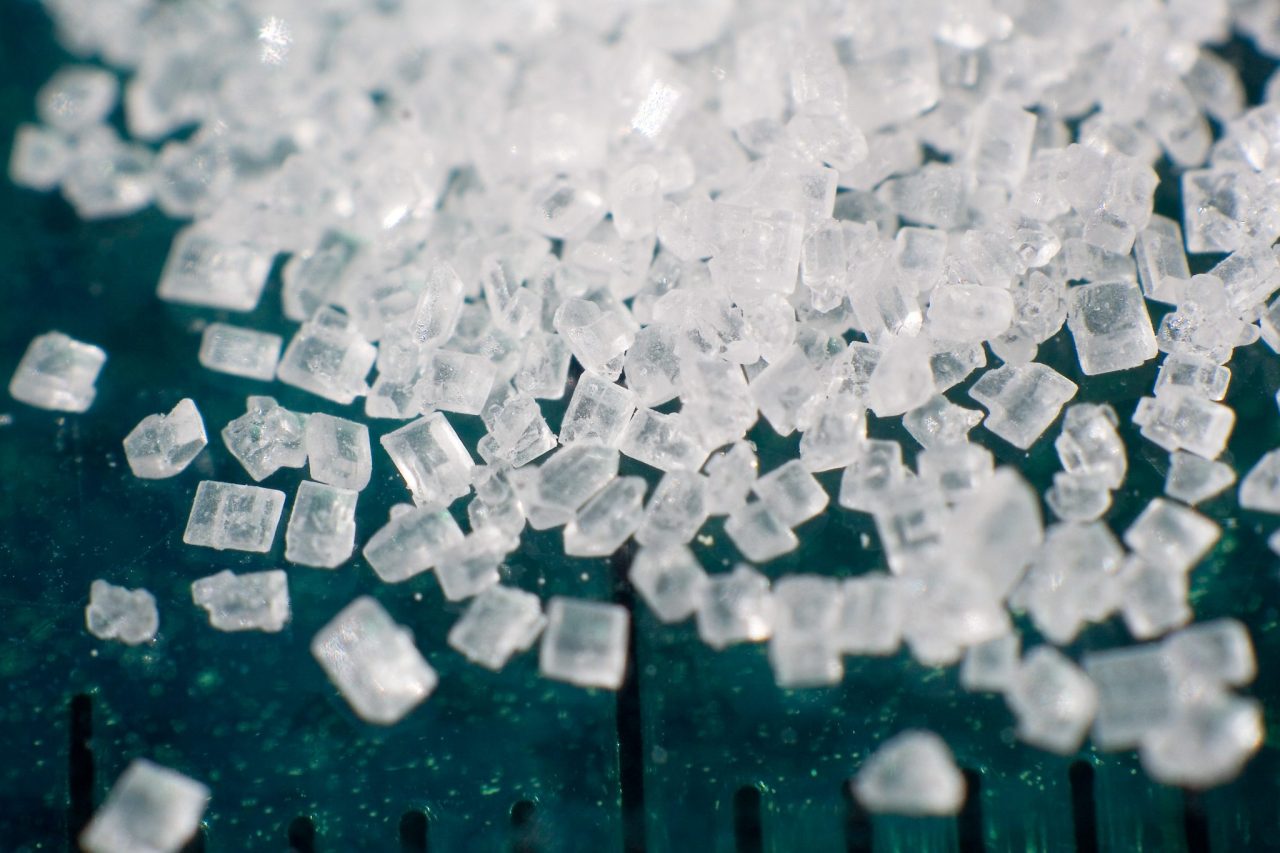
    sugar“Sugar is the new heroin.”

    – Tom Jacobs

    In life, we all make choices. Some of them are good and some of them are pretty stupid; but they should be ours to make. Today, in the world of processed food, sugar is a choice that someone else made for us. It’s hidden in processed foods from meats to coleslaw; it’s mixed into our table salt. Even if you make a conscious decision to avoid the stuff, you’re going to have a helluva time doing it.

    Until 1913 Bayer was one of the biggest heroin pushers in America. Of course, it wasn’t sold to us as a street drug then. It was touted as a universal panacea for everything from toothaches in babies to tonics for the elderly. The buying public was the pharmaceutical industry’s trusting dupe. I predict that the day will come when Coca Cola and General Mills are revealed to be the top drug dealers of all time. Research has shown that sugar is an addictive substance and science knows how dangerous overindulgence in sweets can be. Obesity is overtaking cigarettes as a health hazard for people of all ages. However, due to relentless brainwashing by processed food manufacturers and their lobbyists, the general public is lagging a bit behind on the information train. If you want to make informed choices, here are some things you should know.

    Why is sugar so freakin’ bad for you? Actually, the natural sugar that occurs in whole foods isn’t. The negative health effects we are experiencing now are due to the massive amount of added sugar in the Western diet. Too much sugar can cause everything from obesity and diabetes to cancer and heart disease. It’s very much like alcohol — a little can be beneficial, but a lot can turn you into a drunk who ends up living in a van down by the river.

    How much is too much? The FDA doesn’t make this easy to figure out. Unlike salt and fats that are added to foods, nutritional labels don’t provide the daily recommendations for added sugar; they make you guess. Healthy limits range around 5 to 6 teaspoons (25-30g) a day for women, 6 to 9 teaspoons (30-45g) for men and 3 to 6 teaspoons (15-30g) for children.

    The average American consumes 22 teaspoons of sugar a day, about three times more than we need; and that’s on a good day. It’s a little too easy to eat that much in a single meal or snack. A 12 ounce can of cola can have 11 teaspoons of added sugar, your “all natural” breakfast bar with fruit and whole grains can have 15g and one good sized dollop of barbecue sauce has a whopping 16g.

    Ingredient labels are deliberately misleading. Just because you don’t see the word “sugar” doesn’t mean there’s none in there. Manufacturers have at least 61 different names for sugar. Many are identifiable by the suffix “ose”: sucrose, fructose, dextrose, lactose and maltose; but barley malt, corn syrup and black strap molasses are all sugar too.

    Want to avoid the stuff by eating healthy? The whole foods market doesn’t make it any easier. “Natural” is a meaningless word thrown up like a smoke screen to hide refined sweeteners at every turn. Granola bars, flavored yogurts, snacks and cereals often contain as much sugar as a Snickers bar. And that pricey agave syrup you’re buying because you think it’s better for you? It’s 85% fructose. Speaking of which …

    What’s the big deal with high-fructose corn syrup? Fructose is a naturally occurring sugar. It seems like it should be OK. And if you’re eating whole fruit, it is. There, it is bound with fiber, which slows its rate of absorption and enables distribution. In the form of syrups and concentrates, however, the nature of fructose changes, just like grape juice does when it’s refined into alcohol. Unlike glucose, which is a naturally occurring sugar that can be metabolized and used by nearly every cell in the body, fructose is metabolized almost entirely in the liver. There, it gets instantly turned into fat.

    The epidemic of obesity has risen directly in parallel with the influx of soft drinks containing high-fructose corn syrup. Added fructose has also been implicated as a potential risk factor for cardiovascular disease. Those Kool-Aid commercials with the reassuring mom explaining how high fructose syrup is fine because it’s made from corn? That’s big business bullshitting you all the way to the bank.

    Why do we crave sugar? Research has shown that high-sugar foods create the same changes in the dopamine receptors as alcohol and other addictive drugs. In fact, lab rats found Oreos to be even more addictive than cocaine. This explains why some people can’t resist chocolate any more than a junkie can resist smack. Sugar is the drug of choice for millions of people because it is not only socially acceptable, it’s pretty damn cheap. And food stamps cover it.

    Sugar Blues In addition to making you fat and sick, sugar messes with your head. Moodiness, anxiety and depression can all be caused by excessive sugar consumption.You feel euphoric when your blood sugar goes up; you feel like dog waste when it drops. What will get it up again? More sugar. And if you try to quit cold turkey? Welcome to one of the worst headaches of your life.

    I learned from a guy who was a drug advocate in the NY state courts that all drugs have the same approximate effect: They elevate the blood sugar and produce optimum effect for about 20 minutes. Then blood sugar drops and you need more drugs to feel right again. It’s no wonder sugar can cause people to lose control over their consumption.

    So, why is sugar not only available, but pushed in our faces for every conceivable holiday and celebration? Birthday cakes, Christmas cookies, Easter and Halloween candy are plastered on the cover of every magazine and heralded in song like the second coming of Christ. It’s even handed to kids as a reward at the doctor’s office.

    If you want to find the answer, all you have to do is follow the money. Sugar is a HUGE source of revenue, and the government guards those profits with diligence. Take a look at government agricultural subsidies. Nutrition guidelines may recommend a diet full of fruits and vegetables, but less than half a percent of agricultural funding goes toward growing these healthy foods. More than 50% of subsidies go to growing soybeans and corn, most of which is refined into sugar or directed to the meat industry. By funding these crops, the US government is actively supporting a diet heavy in high fructose corn syrup, soybean oil and grain-fed cattle – all of which are now well-known contributors to obesity and chronic disease. The anti-obesity campaigns that the government launches are perfunctory and ineffectual smoke screens that do little to combat the problems created by its own agricultural policies.

    The decision to eat sugar should be up to you, not something you are tricked into. You’ve got the story. Now the choice is up to you. Please, choose wisely.

  • Advice from the Trenches: Why Do I Get Attached?

    Advice from the Trenches: Why Do I Get Attached?

    oxyDear C:

    I want to know why every time I sleep with a guy, I get attached. Men just don’t seem to do this. I hear a lot of my female friends say the same thing, but men seem to want to jump out of bed and run out the door. Is it an emotional thing? A gender thing? A cultural thing?

    What the Hell

    Dear Ms. Hell:

    Everyone has a theory on this, but women aren’t the only ones who get attached. Men can, too. It really depends on the person. It also depends in part on a human hormone called oxytocin.

    Oxytocin was coined as “the bonding hormone” when the media discovered it back around 2010. It had been known for years that oxytocin was intrinsic in developing mother/baby bonding, but what really fascinated the news mongers was oxy’s connection with sex. During arousal, oxytocin multiplies rapidly, exploding in a burst at orgasm. In fact, in women, the strength of orgasm is directly related to the amount of oxytocin they release. For a while it was thought that men and women were affected in a similar way by the hormone. For instance, when it came to bonding with kids, both genders were far more attached and attentive to their children when dosed with Oxytocin. But as science is now discovering, there is often a striking disparity in how body chemicals affect different people. In 2014, new headlines came out: “Oxytocin makes women friendlier, makes men more competitive!”

    In those studies, a group of 62 men and women ranging in age from 20 to 37 were videotaped in social interactions over several weeks. Half of the participants received doses of oxytocin and half got a placebo. All of them were asked to interpret and identify the qualities of friendship, intimacy and competition in others. Oxytocin seemed to improve everyone’s ability to interpret social interactions. But depending on gender, they focused on very different things. The women were better able to identify friendship and intimacy … the men were better able to identify competitive behavior.

    The really interesting thing about this chemical is that it has different effects depending not only on gender, but also on personality type and social context. For instance, men in committed relationships avoided being too close to attractive women after getting a spray of oxytocin, while single men showed no change in behavior at all. Oxytocin seems to exaggerate decisions and personality traits already in place. In some healthy young adults, too much oxytocin can result in an oversensitivity to the emotions of others that borders on neurotic. Others just get more combative.

    Here’s one thing we do know: A lack of oxytocin, while not life-threatening, can produce an emotional indifference that bodes well for no relationship. In fact, animals that are lacking in oxytocin are far more likely to eat their young. Our hormones affect us in very profound ways that we are only just beginning to understand.

    So, in answer to your question, that emotional attachment you feel after sex may not be so emotional after all. It could just be a reflexive female response to a rush of oxy during intimacy.You are also under the influence of human society and its expectations; nothing is as personal as we think.

    Unfortunately, the media and merchandisers have nothing to gain from such an unromantic truth, so we all grow up receiving messages that every thought and emotion in our head is a personal directive we need to follow in order to find our true destiny. Far too many women make the mistake of thinking that their exaggerated attraction to a guy after sex is a sign that he is “the one.” That’s how it happens in movies and on TV, right? We never stop to think that it’s really just some hormone, along with cultural brainwashing, that is screwing with our common sense. I also doubt many women realize that when men run out the door, it’s not really personal either.Very few of us stop to think about other possible reasons for anyone’s behavior. We take it all very personally, and react, react, react.

    The next time you get an urge to plan your wedding and choose colleges for your future children with some guy you’ve only known for a couple days, don’t get carried away. Stop and think. Does this really have anything to do with your purpose and future? Or could it just be Oxytocin mixed in with the last commercial you saw for a dating site?

  • Alt-Health: Step on a Crack …

    Summer is here and Dr. Michael Zola is expecting company. With warm weather comes overexertion and sports injuries; this is the time most of us think of going to a chiropractor. But in a recent interview, I learned there is a lot more to this branch of healing than “cracking” bones.

    Dr. Zola has been a chiropractor for over 20 years. He began his education with a degree in biology and went on to earn his doctorate in chiropractic medicine at the National University of Health Sciences. His decision to specialize in chiropractic care came down to a fundamental belief that “if the body is given the right resources, the body heals itself.”

    One of the problems with our current health system is that it concentrates largely on the symptoms of illness. “We have disease insurance, not health insurance,” Zola says. He addresses the whole person, not just the obvious aches. “All of the body’s systems are interrelated. It’s important to educate people to give them a better understanding of how their own health works. There’s a lot that they can do on their own.” Mike holds a monthly nutrition workshop for patients and their families and prescribes “blueprint” exercises tailored to each patient’s needs.

    I wondered if he undermined his own profit potential by making clients more self-sufficient. “Not at all — as long as there is gravity, humans will have muscle and skeletal problems.” Besides, most of Dr. Zola’s patients are there by choice, not because they have been routed by their insurance company. They have a sincere desire to achieve optimum health. I asked: Are those expectations the real catalyst in your patients’ recovery? Could results be due partly to wishful thinking? “A positive attitude and personal effort are important factors in any recovery,” Zola said. ”But I adjusted an infant who wasn’t sleeping and had trouble with bowel movements. After treatment, the baby fell back into a natural cycle. I doubt that was from a placebo effect.”

    Unfortunately, insurance coverage for chiropractic care is exclusively for pain. Policies often won’t pay for the diagnosis and evaluation, which are so crucial to proper treatment; many times visits aren’t covered at all. Subscribers’ choice of treatments are controlled to a large part by medical lobbyists.

    Those lobbyists are the bane of holistic healers. Mike knows the attitude that many traditional doctors take. “The pharmaceutical industry finances western medicine and you can see the influence they have on the curriculum in medical schools.” As a result, many doctors don’t really understand what chiropractors do. If asked, they will say that there is no scientific proof that the whole subluxation theory of chiropractic care has any validity. Some have even issued dire warnings that adjusting the neck might cause stroke. But the question arises as to how safe and effective their approved western treatments are for similar ailments. A medical doctor pays tens of thousands for malpractice insurance. A chiropractic physician’s malpractice insurance runs less than $1,000 a year. A possible reason? Medical errors, not chiropractic adjustments, are the third leading cause of death in this country.

    A new patient chiropractic visit begins like that at any doctor’s office — with a thorough evaluation and diagnosis. If a patient does need critical medical attention, they are referred to the appropriate medical specialist. But a western doctor’s initial role would end there; the pharmacy, specialist or surgical procedure is the next stop. A chiropractic visit goes one step further. Patients get immediate hands-on treatment for a problem, which is often the beginning of real relief. However, no holistic procedure can be reduced to a single treatment or single outcome. Chiropractors have an impressive array of options at hand when necessary; they use many of the same specialized tools and massage techniques employed by physical therapists. A chiropractor can effectively treat problems ranging from migraines to chest pains; women turn to them for care through pregnancy and childbirth.

    There is sound common sense behind bringing the structure of the body back in line. Consider a car that is out of alignment. It just ain’t gonna run right ‘til you get it back on track. With our bodies, this is especially important because the spine carries the nerves that supply energy to the whole body. When spine function suffers, anything can go wrong.

    Right now, there are 434,840 primary care physicians and 473,668 specialists practicing in the United States. In contrast, there are only 80,000 chiropractic physicians. For every day of in-hospital coverage, a patient could get month’s worth of chiropractic care, and they’d come away with an education in self care that could keep them out of the hospital for good.

    I believe this is an alternative that should become a standard, and insured, option for all of us.

    For more information, visit zolachiro.com

  • Alt-Health: Granny’s Home Remedies

    Alt-Health: Granny’s Home Remedies

    Potato_heart_mutationIn modern day America, if we have a problem we usually go see a doctor or visit the drugstore. But in olden days, people had to take care of themselves. Every settlement or town had an intuitive, wise healer who became the local gatherer of liniments and lore. Back in the 1880s, my own grandmother was known as the Granny Doctor on Dickey Hill, a small, scattered settlement in the Blue Ridge Mountains of Virginia. I was lucky enough to inherit her notebook of infamous cures, many of them straight from the pantry, and I have to say — when used as “prescribed,” these ordinary food items equaled or out-performed anything I’ve gotten from the pharmacy.

    CAYENNE PEPPER Granny used this to treat everything from ulcers to arthritis. She taught local hunters to sprinkle cayenne pepper in their socks to keep their feet warm in the deep snow. She could effectively cauterize a bleeding wound with the stuff and also prescribed it for depression. When I scratched the cornea of my eye while camping, I screwed up the courage to try her famous “anesthesia eyewash” but, honestly, this remedy can be terrifying, and it is not for the faint of heart. Prepare a solution by adding 1/8 teaspoon of cayenne pepper to half a cup boiled water; when cooled, strain through a coffee filter. Dilute the solution until it’s a pale pink, and, using an eye cup, throw into your scratched eye. It will feel like someone just stabbed you in the head with a red hot railroad spike. The initial shock will subside quickly, taking the pain and redness from the scratched cornea along with it.

    HONEY Granny always used local honey. Most commercial honey sold in stores now is filtered and pasteurized, which removes pollen and destroys most of the beneficial enzymes and nutrients. For best results, always use indigenous, raw honey. For cuts, burns and infected wounds that will not heal, apply a thick layer of honey and cover with gauze. Change dressing, clean and reapply honey once each day until healed. As a remedy for allergies, take one or two spoonfuls a day during allergy season. For sore throats, put a spoonful in your mouth and let it drip down the back of your throat.

    TEA BAGS For irritated eyes or infected styes, these little poultices can be a godsend. To prepare, place two flat tea bags in a cup and cover with boiling water. Steep until just cool enough to handle. Squeeze out excess tea and place one bag on each eye, as hot as you can stand. Leave on eyes until poultices become cold. Repeat every night at bedtime. Peppermint tea bags have an especially cooling effect. (Note: This remedy also made me fall sleep with the bags still on my eyes. While grievously staining my pillows, it proved a surprisingly good remedy for insomnia.)

    POTATOES were Granny’s favorite go-to staple for multiple remedies. She swore by a diet of potatoes to treat constipation, intestinal toxemia, gout, kidney stones and dropsy. Raw potato juice was her cure for rheumatism and gastritis. She used grated potatoes and their juice for rashes, sunburn and dark circles under the eyes. She found that rubbing a freshly cut raw potato on a wart would dissolve it in days. Some of the most peculiar remedies I saw were for hemorrhoids. For particularly painful and swollen external hemorrhoids, Granny recommended the following: Peel and grate an ice cold potato, wrap it in gauze, then lie on your stomach and place the pack directly on top of your anus. Leave it there until it gets to room temperature. I don’t recommend this if you are expecting company. But the true queen of bizarre remedies was Granny’s cure for internal hemorrhoids. I have to admit that I drew the line at test marketing this one, but you are welcome to try it if you are feeling adventuresome or a little bit kinky. Carve a suppository-shaped pellet about 1 inch long and 1/2” wide from a fresh potato and rub it with garlic. Insert it into the rectum twice a day, morning and night, or after a bowel movement. Granny says nothing about removing this suppository. I can only hope that nature takes care of it in a timely manner.

    Also in the Granny Doctor arsenal: garlic, cloves, oatmeal and cranberries. I used to joke that her medicine bag could double as the Mystery Basket on the TV show, “Chopped.” However, considering the cost and side effects of prescription and over-the-counter meds, you might want to give food remedies a try. Granny was still running up hills, playing a dulcimer and yodeling at 93. I’ll bet you can’t even do that now.

    For details and specific dosing, type key words into Google and YouTube.

  • Advice from the Trenches: Screening

    Dear C,

    My brother Kenny and I are having a disagreement. He’s been having digestive problems off and on, but refuses to get checked out. He is of the opinion that if you don’t look for trouble, you won’t find it. He reels out story after story of people he knew who were okay until they went to the doctor. Then as soon as they were diagnosed with a problem, things went downhill.

    I’d like to think I’m worrying for nothing, and I gotta admit he has a point — our father had low grade symptoms for years, but it didn’t keep him from working … or fishing.Then, my mom forced him to go to the doctor and they said he had colon cancer. Almost immediately after, his health went south and before we knew it, he was gone. Kenny says he would have lived a lot longer if they’d just left him alone.

    Some people do seem to be okay until a doctor tells them they are sick. Then suddenly, they are SICK. Is it better to just wait and see?

    Worry Wart

    Dear Worry,

    Normally, I might agree with you, but not in this case. Your brother is an idiot, and you are an idiot if you don’t get him to a GI specialist, NOW. But let me tell you why.

    The statistics are in — the number of Americans dying of colon cancer has decreased by 30% in recent years. Is this because fewer people are at risk for colon cancer? No. It is because there has been an increase in screening for colon cancer. The industry standard is a colonoscopy and during these admittedly invasive exams not only is it possible to detect the polyps that are the forerunner to colon cancer, but doctors can also get rid of the buggers right then and there. Those polyps would almost certainly develop into cancer if they were left untreated. Because of timely screening, they are nipped in the bud.

    If colon cancer runs in your family, there is a much greater chance that your brother will develop it at some point in his life. Before this happens, there are often low grade, easily ignorable symptoms, but sometimes there are no symptoms at all. Let’s say Kenny’s lucky and there’s nothing amiss, just random cramps and bloating. In that case, the colonoscopy will do nothing but give him peace of mind. But if those symptoms are from polyps, a colonoscopy could save him a boatload of pain, agony and regret later on. I’m not one for invasive medical tests, but this is one screening that I think everyone with a family history of cancer should have.

    I’ve heard a lot of people trot that out that “if you don’t look, it isn’t there” rationalization because they were afraid to go to the doctor. If you’re looking for excuses, this is a good one, because it really can seem like that’s what happens. Someone is going along in their daily routine, having occasional symptoms that can easily be explained away. They don’t feel great, but they aren’t sick enough to slow down. Often they start self-medicating with one socially accepted vice or another, and the symptoms ease. “It’s all in my mind!” they say, and crack open another beer. After all, it’s the rare person who feels great all the time.

    But in those cases where everything seems okay until the fateful doctor’s exam, here’s what has actually happened: The person in question let their symptoms go on for too long and by the time they are diagnosed, their condition has progressed from low-grade to final stage; and sometimes there sometimes isn’t much that anyone can do for them at this point. This is especially true in the case of colon cancer.

    Your mom probably let your father cow her into silence until his symptoms became so pronounced even he couldn’t ignore them. If you care about your brother, don’t back down like mom did. I’ve had three friends die before their time with colon cancer. They had symptoms, but they were stubborn, just like your brother, and wouldn’t listen to anyone, so I backed off. If I’d known then what I know now, I would have held a gun to their freakin’ heads if I had to, all the way to the hospital.

    Scare the crap out of Kenny if you have to, but get him in there. This is not a decision that either of you will regret.

  • Alt-Health: The Core

    Alt-Health: The Core

    blue-healthcareFor years, the primary aim of health care reform has been to make insurance affordable for everyone. The assumption was that a lack of access to medical care is behind our country’s dismal standing in overall health. But another possibility is forming like a ghostly spectre above the huddled masses yearning to be well: There’s something rotten at the very core of the American health care paradigm.

    Today, fully one-third of the money spent on health in the US goes toward administrative costs. I’d like to believe that the other two-thirds went toward medical treatments that save lives and keep us healthy. But a new report emerged this week showing that medical errors are now the third leading cause of death in this country, trailing only behind heart disease and accidents. The percentage of insured Americans who seek these booby-trapped procedures is rising by the day. So, exactly what is our insurance paying for?

    If you look at what a typical policy covers, for the most part, it is treatments for disease. As long as there is “scientific proof” of any kind that these treatments produce even an initial effect, our insurance will cover them.

    Conversely, if you search your insurance contract for preventative care, you will be at a loss to find it. Nutritional counseling alone could save many lives, but a medical doctor’s understanding of this field is, for the most part, non-existent. A naturopathic physician could provide much better services. But are naturopaths covered by our medical insurance? No. In fact, there is an active movement in the medical community to prevent this from happening.

    The arguments against funding preventative care are spin doctoring at its finest and they play on sympathy and private guilt: “It’s unethical to withhold potentially life-extending interventions on the basis of cost.” But the funding for healthcare is not unlimited, and it is not possible to pay for every level of intervention. The first item on the agenda to be tossed to the wayside is always preventive care.

    Here’s how it works: When a funding choice has to be made, the administrative powers that be (which, you will recall, pocket one-third of all medical expenditures) are supposed to base decisions on a principle called quality-adjusted life-year (QALY), which calculates whether a course of treatment warrants the cost. In reality, QALY figures are routinely ignored when it comes to choosing between treatments for disease and preventative programs that focus on health. Let’s take a look at these two cases in point:

    Scenario #1: A 63-year-old woman is diagnosed with late stage lung cancer. There is no chance that she will recover, but, with debilitating and painful treatments costing over $100,000, she might extend her life for a few months. When the patient puts in a request, her doctors and insurance company approve the procedures. The fees are ignored, as a matter of principle: “Preserve human life, at all costs.”

    Scenario #2: A health department proposes to offer free nicotine-replacement therapy to every smoker within their county. This is an action that could prevent many cases of lung cancer by helping smokers quit. The organization faces resistance and can get no funding whatsoever.

    Medical treatments are routinely paid for even if they are expensive and pointless. The treatment of metastatic lung cancer may cost $800,000 per QALY , but is typically provided. So, why are primary preventive services typically withheld, even if they are highly cost-effective? The Diabetes Prevention Program costs only $14,000 per QALY , but is covered by only a scant few insurance plans. Free nicotine-replacement therapy, which has recently been proposed in England, costs less than $5,000 per QALY but the US refuses to even consider taking such a measure.

    This difference in standards may hide behind the mask of empathy, but it is really the financial structure of our healthcare system that is running the show. We reimburse hospitals and doctors for their cost of care, government funding covers uncompensated care, and allowances are made to pass those costs on to insured patients. Preventative care services, however, come from annually appropriated funding to public agencies, and those services have to compete with the budget allotted for schools, police and virtually every other public need. Few people are going to choose general preventative health measures over their children’s educational future or crime control.

    Until prevention is taken as seriously as the federally approved treatments for disease (which are taking a death toll all their own behind the scenes) we will never really improve the health of our nation. I urge you to write to your legislative representatives in support of funding for preventative health.

  • Advice from the Trenches: e-Cigarettes

    Advice from the Trenches: e-Cigarettes

    ecigDear C:
    I have tried to quit many times, but I still smoke. Don’t give me a lecture, I know all about the dangers, but I have too much pressure in my life right now to add more by going cold turkey and neither the patch nor nicotine gum worked for me. Then I discovered e-cigarettes. I tried them and I gotta say — it’s not really smoking, but I can live with it.

    Now I hear that e-cigarettes are just as bad for you and encourage people to smoke who wouldn’t otherwise. All I know is if I quit them, I’ll just go back to smoking.
    Do you know anything about this?
    Smokey Joe

    Dear Smokey,
    If you’d asked me this question a few months ago, I would have handed you a list of reasons that you are just kidding yourself. Now I am not so sure. Should people smoke? With all of the known risks, including the dangers of second hand smoke, the answer is, of course, “No!” But can everyone stop smoking? Realistically? No.
    Public Health England (PHE), an agency of England’s Department of Health, has taken a stance that has raised eyebrows: They regard it a responsibility toward public health to “encourage smokers to switch to e-cigarettes.” This attitude is diametrically opposed to that in the US, where we focus primarily on abstinence.

    First, the big question: Is nicotine, in its pure form, really bad for you? The answer is a resounding “maybe.” Nicotine is undeniably addictive, and people smoke mostly because of nicotine. However, nicotine users die mostly because of the tar and additives in cigarette smoke. Take those away and what dangers are left?

    The negatives: Nicotine’s greatest risks are to the unborn. Used during pregnancy, nicotine makes children more susceptible to birth defects and, later in life, for type 2 diabetes, obesity, hypertension, neurobehavioral defects, respiratory problems and infertility. In vitro studies also show an increased risk for cancer.

    What about adults? In patients with coronary artery disease, nicotine may cause coronary artery vasoconstriction. At high enough doses, nicotine is lethal. However, although cigarette smoking is conclusively linked to cancer, carcinogenicity has not been conclusively proven for nicotine itself. Nicotine is actually used medically to help patients quit smoking.

    Are there any medical benefits? I was a hard-sell on this because I am an adamant non-smoker myself. I watched the habit slowly erode my own mother’s health; cigarettes would eventually kill her. But if I put emotions aside, I have to admit that there is some evidence that nicotine, NOT cigarettes, has certain benefits.

    Nicotine enhances performance, alertness and focus. Double-blind studies concluded that nicotine had a positive effects on fine motor abilities and memory. GI studies show that nicotine therapy provides some protection against colitis. Nicotine is also suspected as the reason for the lower incidence of Parkinson’s Disease among smokers.
    Psychologically, for many people, nicotine decreases stress and anxiety, and reduces panic. Those suffering from some mental illnesses experience great relief from nicotine, which is probably why so many psychiatric patients smoke.
    The Center For Disease Control in the US sees e-cigarettes as having a “gateway effect” and that encourages non-smokers to start. But in 2014, the antitobacco organization Action on Smoking and Health (ASH) reviewed the evidence and concluded that e-cigarettes were being used largely by current or former cigarette smokers. ASH also found scant evidence that bystanders could be harmed by the vapor from e-cigarettes. Since their primary goal is harm reduction, ASH considered this good news for assisting smokers who could not or would not give up cigarettes.

    So, what is the answer? It really depends on you. Do you honestly think you can’t quit? E-cigarettes do not pose nearly as many health risks as cigarettes and the vapor isn’t a second-hand danger to those around you. But the medical goal of nicotine is NOT to switch from one drug delivery system to another, The goal is to set you free. E-cigarettes cost even more than regular cigarettes. However you ingest it, nicotine is costly and addictive. That monkey on your back may weigh a little less, but in the long run, it’s still a monkey.

    Photo credit: vaping360.com/what-is-vaping


  • Alt-Health: Spring Cleansing?

    Alt-Health: Spring Cleansing?

    juiceType the word “cleanse” into any search engine and splat! a glitzy array of advertisements will gush out of cyberspace with the force of an exploding soda bottle. A cleanse craze seems to sweep the country every spring, and there is no scarcity of celebrities to endorse them. It seems to make sense on an intuitive level — flush the system and energy will flow through. But is it all that it’s cracked up to be?

    The fact is, there is no scientific evidence to back claims for successful weight loss. While it’s true that you can watch pounds disappear overnight and feel purged of impurities, the loss is just water and you’ll probably gain it all right back. In fact, the longer you stay on a severely restricted diet, the slower your metabolism gets, causing even faster weight gain the moment you start eating again. And as for ridding the blood of toxins? Alas, there is no measurable effect.

    But let’s be fair; body cleansing has its place. If it was essentially harmful in nature, we would have figured this out 1,000 years ago. Fasting has been a part of ancient rites and rituals since time began. Earliest proponents used it as a means to enlightenment and healing, to bring fertility to the crops, as a means of averting danger and as penance for sin. Fasting for spiritual purposes still remains part of virtually every major religion in the world.

    So, when did the body cleanse become such a fad for weight loss? This is indeed a modern phenomenon. The first popular diet was developed by the English undertaker William Banting in 1863. The first weight-loss book to become a bestseller was published in 1918 by American physician Lulu Hunt Peters, and Dr. Atkins’ Diet Revolution didn’t hit the shelves until 1972. Since then, body conscious celebrities and merchandisers out to profit from an increasingly obese population looking for a quick fix have glutted the market with products and programs.

    There is a distinct psychological factor involved. The seeming success of a body cleanse is exaggerated by a psychological tendency we humans have to overestimate the effects of our actions. Psychologists call this the “illusion of control.” We want to believe that months or years of unhealthy habits can be alleviated by a purge, but both medical and holistic healers agree that the only road to sustainable health is through a balanced diet, an active lifestyle and a positive mental attitude. Fasting and body cleansing won’t bring those results and some of the extreme detox programs can be downright dangerous.

    A water-only fast can send your body into a state of ketosis, wherein there are no carbohydrates for your body to burn for energy so it has to burn whatever stored crap is available. People begin to smell like dead rats and feel like hell. The idea behind it is that a state of optimal ketosis provides maximum fat burning. The problem is that if ketones build up too high in the blood it can cause ketoacidosis, a dangerous condition resulting in a possible coma or even death.

    A more reasonable version is the juice fast, but this cleanse, like most, is low on protein. Consuming nothing but juices for three days isn’t harmful for a healthy person, but can still lower immunity to illness. Older adults may be more susceptible to infections because they may already have lowered protein stores. The Master Cleanse, one of the more popular versions on the internet, contains cayenne pepper, which can be a problem for those with irritable bowel syndrome. Other side effects include bad breath, dizziness and diarrhea. In addition, juice cleanses can lead to unstable blood sugar levels for people with diabetes; and people taking the blood-thinning drug Coumadin should stay away from green juices high in vitamin K because these can lessen the drug’s effectiveness.

    Should the idea of a body cleanse be discounted altogether? Not at all. If one uses a little common sense, a spring cleansing can be a way to recharge and renew. After winter, we are all coming out of hibernation, and a short cleanse can be a way to jump-start your body into healthier life. If you are hoping that it’s going to flush away the 15 pounds you gained on comfort food and leave you ready for a bikini on the beach, you will be sorely disappointed. However, if you have a solid plan to make healthy lifestyle changes, a cleanse can be great motivation to jump on the bandwagon and keep on going. Nothing encourages a positive mental attitude more than visible results. Just remember that humans are creatures of habit; if you don’t change the old habits, a 10-day detox is more apt to cleanse your wallet than your body.

  • Alt-Health: The Faces We Are Shown

    I remember a class discussion in fifth grade. The teacher at our suburban middle school was talking about “poor people” and the challenges they faced. A kid from an affluent family raised his hand and interrupted. “My dad says poor people have what they deserve. If they worked harder, they wouldn’t be poor.” Most of the other kids, myself included at the time, agreed.

    Looking back, I am embarrassed. But we were only reciting the values we’d been taught, accepting them naively as truth. We didn’t know any better. I know better now.
    There is a great divide between the lower and upper classes. It’s not just a matter of finances, but a matter of opportunity. The financial position of your family is going to determine, on a primary level, what you can and cannot do in life. This applies not only to education and job opportunities, but to physical and mental health. In the game of life, the socioeconomic class that you land in is a random crap shoot. Babies don’t get a choice. And sometimes, no matter how hard they work, they can’t get ahead.

    Even before birth, poverty begins to take a toll. The Affordable Care Act has made prenatal services more accessible for those living at or below poverty level, but the effect has not yet been seen in the general population. For anyone old enough to read this article, those changes came too late.

    Here are the statistical facts: Mothers who receive late, or no, prenatal care are more likely to have babies with health problems. These mothers are three times more likely to give birth to a low-weight baby, and their baby is five times more likely to die.

    Low income pregnant women are the least likely to seek prenatal care. Many of them live in poor housing conditions and lack social support and transportation. They can be aware of the benefits of prenatal care, but an overwhelming number of barriers prevent them from getting it. And if a woman lives in an abusive or stressful situation, those conditions tend to increase with pregnancy. It’s a difficult time to bring substance and alcohol use, smoking or obesity under control. These habits contribute to complications for unborn children.

    The often chaotic environment of home can cause problems in a newborn that will extend long past childhood. Chronic exposure to stress can release toxic chemicals that cause damage to the brain tissue — neurons begin to die off. The structure of the brain is slow to develop and I.Q. potential is lowered. If a child’s initial brain wiring is poorly done, it’s very difficult to come back and build a solid structure on that shaky foundation. Such children seldom get the special attention and care they need. As a result, they face a life full of challenges that they are ill equipped to handle.

    Impoverished families are far more likely to live in substandard housing or in areas where lead pollution from industrial waste and highways is greatest. Lead exposure has devastating consequences. At high levels, it attacks the brain and central nervous system, causing coma or even death. Children who survive are usually left with brain damage and behavioral problems. Lower level of exposure can produce loss of cognition, dyslexia, and attention deficit disorder. In most cases, these effects are forever.

    Today, more  than 16 million children in the United States – 22% of all children – live below the federal poverty level. The government establishes that level at $23,550 a year for a family of four, but the facts is that a family of four needs an income twice that in order to cover basic expenses. Using this standard, 45% of children live in low-income families. If you come from such a background, unless you are exceptional, or lucky, you will probably receive inadequate nutrition and have few resources for education and employment. The prevalence of serious mental illness is highest among those with the lowest family income level.

    The link between income and longevity is a matter of record. The life expectancy of upper income men has increased by six years since the late 1970s. Men in the lower range have gained a mere 1.3 years.  People living in poverty are likelier to smoke. They have less access to good health care. They tend to weigh more. And their bodies suffer the debilitating effects of intense and more constant stress. Everywhere, and across history, the poor tend to live shorter lives than the rich, no matter which culture you examine.

    To my fifth grade self, and others like me, a reminder: There are always reasons behind the faces we are shown. It’s easy to assume, but only those who live it know.