Category: Jazz

  • Storied Newport Jazz Fest Thrives in the City by the Bay

    Storied Newport Jazz Fest Thrives in the City by the Bay

    Sun Ra Arkestra (Photo by Ben Houdijk)

    Many things have changed during the 70 years since the Newport Jazz Festival began. The great grandfather of outdoor festivals first happened on July 17, 1954 at the Newport Tennis Hall of Fame. That night made musical history that would reverberate world wide. The musical engine that sang out to a crowd of nearly 13,000 music lovers made up of Newport’s A-list of socialites and jazz lovers was fueled by George Wein, a visionary musician, producer, and civil rights advocate along with the Lorillard family, a wealthy Newport couple, who were longtime jazz fans.


    Wein, who owned the iconic Storyville Club, a Boston jazz landmark, scraped together a paltry $20,000 to produce the first two-day musical gamechanger.


    Of course those were the days, long before staggering inflation, where a humble guy like Wein, who already was an established Boston jazz pianist, could — on a shoestring — put on a festival that would change the musical landscape forever.


    It was a star-crossed relationship between Wein and the Lorillards in Newport. Consider the historical backdrop that made funding the first festival possible. While the average income was a measly $4,ooo annually, a gallon of gas was only twenty cents and the average working guy could buy a house for $20,000. Ticket prices to the first Newport Jazz Festival were between $3 and $5. Nowadays, you can’t even get a footlong sandwich for $5.


    Wein, in his brilliance, created a niche those two nights, with the mesmerizing sounds of the Duke Ellington Orchestra, the sophisticated king of swing, along with Ella Fitzgerald and Billie Holiday, two female jazz vocalists who belong on the Mt. Rushmore of jazz.


    The success of the Newport Jazz Festival was just the beginning of Wein’s fabled career.


    Wein went on to create the New Orleans Heritage and Jazz Festival, set in New Orleans, the cradle of American jazz, as well as the Montreux Jazz Festival in Switzerland. For those readers who follow jazz, for many, many decades Europeans have craved jazz, which bolstered the careers of many American jazz acts, including Betty Carter and Eartha Kitt, two brilliant jazz vocalists.


    Fast forward to the Newport Jazz Festival in the 21st century. Despite all the highs and lows over its seven decades, the festival has adapted to the times and achieved an impressive longevity. Although Wein passed away a few years back, the show goes on.


    Whether it was changing venues or bringing in more mainstream rock acts, including the Allman Brothers and Led Zeppelin, the festival grows and again will shine as it has for many years at the Fort Adams Park, a jaw dropping spot, at the entrance to Newport Harbor for some of the best international jazz this summer.


    While tickets are selling fast, now is the time to get online and get them before they are sold out, which has been the tradition for many years.


    This year’s lineup promises to be a primo weekend of amazing jazz stars, including Samara Joy, Sun Ra Arkestra, Legacy of Wayne Shorter, a founding member of the Crusaders, along with Stanley Clarke N-Forever, a founding member of fusion jazz and a bass guitar wizard. Another star not to be missed is funk-master Nile Rodgers and Chic. Rodgers has been a mainstay bandleader and funk music producer for decades.


    The festival happens August 2 through August 4 and tickets can be purchased online only. Visit newportjazz.org for tickets, along with the full daily lineup and other festival information.
    As you find your spot at the jazz festival and pop open that first delicious beer, remember George Wein smiling down from Jazz Heaven.


    Walter Slattery is a wannabe drummer, music writer, and ’60s throwback. He can be reached at slatterywalter1@gmail.com

  • LOCAL JAZZ IS STILL JUMPING IN RHODE ISLAND: Despite musical headwinds, local jazz is still alive and swinging in Rhode Island

    LOCAL JAZZ IS STILL JUMPING IN RHODE ISLAND: Despite musical headwinds, local jazz is still alive and swinging in Rhode Island

    Jazz in the Ocean State has seen a myriad of tough times, including, COVID aftershocks, digital streaming, stubborn inflation, and changing demographics. But, just like the changing tides of Narragansett Bay, local jazz is here to stay. Live music venues and great jazz musicians have come and gone, but jazz lovers should not despair. 

    While iconic landmarks, such as the Celebrity Club, Bovi’s, and the sizzling Hi-Hat Lounge have drifted into jazz heaven, a new crop of venues carries on the American jazz tradition.

    Several nights a week, clubs including The Red Door, Knickerbockers, The Parlour, and Askew feature some of Rhode Island veteran jazz players such as trumpeter John Almark, bassist Joe Potenza, well-known drummer Vinnie Pagano, and guitar wizard Gino Rosato.

    Some may say that jazz is dominated by men, however many women have made a significant contribution to the venerable art form throughout the years, starting with jazz great and pioneer Carol Sloane. Sloane began her career in the 1950s, signed to Columbia Records, and showcased at the Newport Jazz Festival in 1961, which opened the door for the current lineup of amazing female jazz vocalists, including  Kim Trusty, Shawnn Monteiro, Tish Adams, and Dyan Kane.

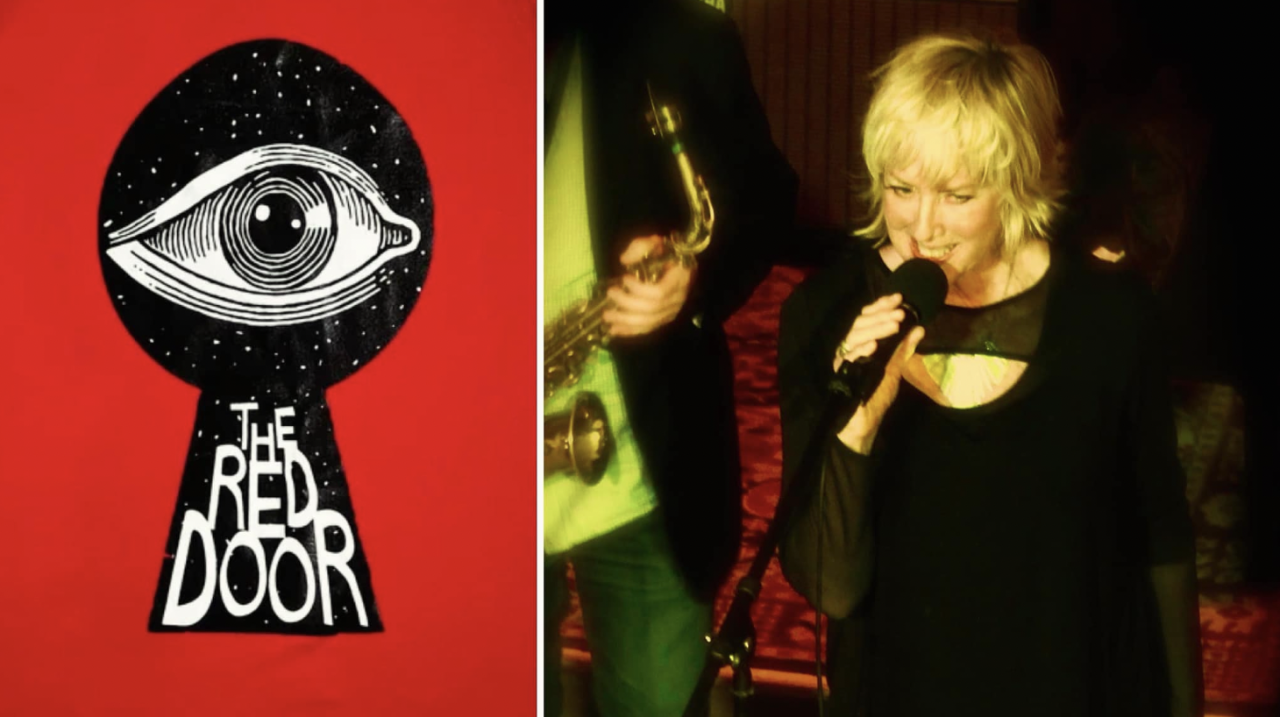
    With a career that has spanned decades in a variety of entertainment fields, including movies and acting on TV, Dyan Kane recently brought her breezy, well-honed jazz stylings to one of my favorite jazz spots, The Red Door in downtown Providence. Kane, whose style is steeped in the classic jazz divas, including Sara Vaughn, Billie Holiday, and Nancy Wilson, showcased her considerable talents in the cozy upstairs venue backed by a stellar band that was anchored by guitar wizard Gino Rosato. 

    From the opening number you could hear in Kane’s phrasing years spent listening and cultivating a captivating voice. As a young woman, Kane joined a Harlem gospel choir and soaked in the soulful sounds of the legendary Ray Charles and Baptist music. Her jazz stylings are influenced heavily by its ancestor, the American blues.

    Following a stint in Los Angles doing movies and TV, Kane left L.A. for the Big Apple. While working at the Blue Note, a legendary jazz spot in Greenwich Village, Kane’s airy and powerful style reflected the vocal stylings of  jazz greats such as Carmen McCrae, Al Jarreau, master jazz vocalist, and Better Carter, one of the most important jazz singers of the 20th century.

    She floated effortlessly as she mixed Brazilian influenced stylings with American jazz standards and wove in updated pop songs that showcased her vocal diversity on numbers such as the Bee Gees’ mega hit “To Love Somebody”, which she performed with a bluesy lament, as well as “Use Me” a Bill Withers mainstay, which she molded into a funky Brazilian jazz groove. 

    (Note: For the avid listener, I recommend the Bill Withers 1973 live album  Live at Carnegie Hall. On it, Withers awes listeners with an eight minute version of the soulful “Use Me”.)

    While listener’s might want more, Kanes’ latest release, Soul of the Water, recorded with a veteran L.A. sidemen, is available on Interplay Records and features a healthy dose of Kane’s main influences from “Summertime”, a gem from the great American Songbook along with “Moonglow” and “Caravan”, a Duke Ellington masterpiece.

    For Rhode Island jazz lovers looking for more jazz, I highly recommend The Red Door, which was literally created by a mainstay in the Rhode Island music scene, Phil Martelly, who, following graduation from Berkeley School of Music, dabbled in the music business and played with a variety of bands before investing in a chain of music schools for young musicians called the School of Rock

    During the height of COVID, Martelly invested in The Red Door, offering free jazz every Monday night. He understands the music business and said, “I want to keep it free’ adding “People will come.” 

    The Blue Room in Pawtuxet Village also offers sizzling jazz nightly, while Sardella‘s, a delicious Italian restaurant in Newport, offers Wednesday night jazz. Talk about a night out, feasting on shrimp scampi while listening to some of the best jazz in Newport! 

  • THE STORY OF THE CELEBRITY CLUB IN PROVIDENCE: Rhode Island’s First Integrated Jazz Club

    THE STORY OF THE CELEBRITY CLUB IN PROVIDENCE: Rhode Island’s First Integrated Jazz Club

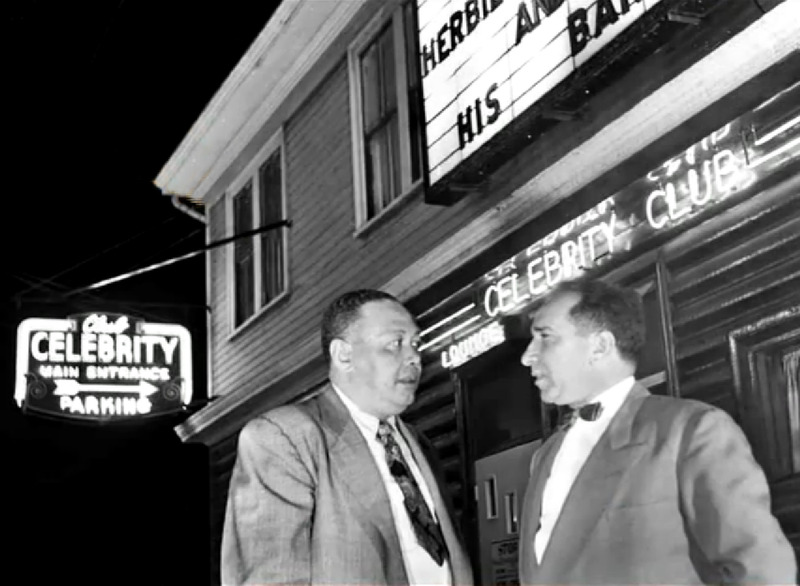
    Source: Brown Digital Repository, Brown University Library

    Imagine on any given night during the 1950s being able to hear the swinging sounds of Count Basie, the bluesy diva Billie Holiday, or Louis Armstrong, one of the greatest trumpet players of all time? No, I am not talking about  the thriving Times Squares jazz scene in the Big Apple, but the fabled Celebrity Club, located in what’s now the redeveloped Randall Square in Providence.

    From 1949 until 1960, this celebrated club and its founder Paul Fliippi, brought the world’s greatest jazz acts to the storied venue. The first integrated club in Providence attracted such luminaries as Nat King Cole, Duke Ellington, Sarah Vaughn, Sammy Davis Jr, and Fats Domino.  All the great jazz acts stopped in Providence.

    It was a list of jazz royalty that graced the stage. Seven nights a week catering to a diverse neighborhood that included African Americans, Italians, Jews, and a hip East Side crowd from  around the Square and nearby neighborhoods, including Lippitt Hill. In the beginning, Filippi bought a dilapidated business at 54 Randall Square, near what is now Charlesgate Apartments, which provided an ideal entertainment spot for African American servicemen to hangout following the end of WW2. Meanwhile, residents of the diverse neighborhood helped fill the club, thus creating PVDs’s first integrated club complete with dance floor, coat room, kitchen and tables, remembers Ed Coates, noted historian, musician, and former resident of Randall Square.

    Source: Brown Digital Repository, Brown University Library

    Coates said, acts such as singing groups including the Platters, Orioles, and Clovers played in the early days. “They brought in steady revenue,” said Coates. The Celebrity Club became a PVD hotspot, attracting a variety of well known politicians, business leaders, and even the feared yet respected Raymond Patriaca Sr, head of the New England Mafia.

    Despite the fact that the Celebrity Club was integrated, the city still reeled from racism, which led to numerous police raids. Coates says, “Everyone at the club would be hauled off to the police station… many times the whites were released, while the blacks were arrested.”

    But Filippi  made sure the club survived. Local residents remember Filippi had an outgoing and welcoming way that helped ensure club goers had a good time. Many times a bevy of local talented sidemen were used by the headliners. One well known figure was bassist extraordinaire Bob Petteruti. His story began as a young boy in his father’s now gone Pawtucket music store. Petteruti gigged a lot around town, and got a once in a lifetime opportunity — playing at the club with Duke Ellington.

    Petteruti, who was opening a show with his small jazz group, was asked by Ellington to play a gig with the big band because the Duke’s bass player missed a train from NewYork City.  According to legend, Petteruti told Duke he couldn’t handle the gig, but Ellington insisted, saying just “do it man.”

    That quote became the title of a well received documentary created by Norn Grant, former CCRI professor and expert videographer. “In the late 1950s, my father was in a house band at the Celebrity Club working four or five nights a week, many times for about $35 a gig,” said Tom Petteruti, Bob’s son. Petteruti, who plays drums with Brass Attack, has been a well known figure in the local music scene for the past 40 years.

    Filippi recounted, “It wasn’t easy for my father in the beginning. On opening night [at the Celebrity Club] he had to borrow money for the club’s cash register, it was rough.”

    But his father had a plan — a son of Italian immigrants that lived on Federal Hill, Filippi knew the value of hardwork. In the late 1940s, Filippi opened the bygone Garden Cafe in downtown Providence and used that money to help open the Celebrity Club as post-war America began its resurgence. He realized the need for a great local jazz venue, and felt Providence was a logical stop for jazz acts traveling from New York City to Boston.

    As the club grew in popularity Filippi expanded to a second  listening room for jazz. “My father realized that a lot of African American music lovers needed a spot to hear live music,” said Blake Filippi, the founder’s son. “And they were tired of traveling all the way to Boston for dinner and music.”

    Before the Celebrity Clubs’s opening in 1949, jazz lovers had to either make the trek to Boston to  a number of hot spots including Wally’s Hi Hat Lounge (now called Wally’s) or to fabled Storyville, operated by legendary George Wein, who created the Newport Jazz Fest. Filippi, who started his career at the defunct Crown Hotel as a bellhop, was a great businessman, said his son. “[My] father had the ability to see what people wanted in entertainment and was able to [satisfy] their needs.”

  • Is This Jazz?: Newport Jazz Fest ‘23

    The time is upon us for yet another edition of the historic Newport Jazz Festival. This year for a change of pace from past guides, I’m going to focus on artists or collaborations that may not garner the same recognition as some of the bigger names on the poster. Here are three picks for each day that I think should be considered as part of your festival watching schedule.

    Friday

    Endea Owens and The Cookout – You may have seen her playing upright bass in The Late Show with Stephen Colbert house band or heard her on Jon Batiste’s album “We Are” but she can certainly stand out on her own as a player and bandleader as evidenced on her fantastic NPR Tiny Desk concert.

    Lakecia Benjamin and Phoenix – I first saw Lakecia playing with Gregory Porter a few years back at another NJF and when I tell you I still think about her solos to this day, you can see why I was so excited to see her given her own set. She plays with a precision and explosiveness that few other alto saxophonists can match so definitely make sure you’re there to watch her and her band soar.

    Domi & JD Beck – Although they have a big following in certain crowds I can imagine there’s a lot of people out there still sleeping on this duo. Comprised of just keyboard and drums, these two phenoms are able to pull off some of the most mind warping, brain disintegrating music you’ll hear all weekend.

    Saturday

    Louis Cato – Another member of the Late Show band, except this one plays about twenty different instruments, all with a singular voice that emanates from a deep and powerful soul. To get a taste of his genius be sure to look up his #catocovers series on Instagram and settle in for a deep dive.

    Superblue: Kurt Elling & Charlie Hunter – Take a generationally talented singer and pair him  with an instrument redefining guitarist and you can see why this set is so exciting. Sure, both are well respected and known musicians but this collaboration may be overlooked on the day compared to some other acts on Saturday’s bill. Don’t catch yourself missing this incredible chance to see these two play together. And even better, Nate Smith will be accompanying on drums.

    Armstrong Now: Louis at Newport – Jazz is both about moving the music forward into ever expanding sounds and also looking back with reverence at the pioneers and sages of the past. Armstrong Now, a program from the Louis Armstrong House Museum, is “dedicated to featuring world-class artists responding creatively to the Armstrong Archives through a contemporary Black lens.” While I’m not sure what this set will be, reading this mission statement has me excited for the potential of it being one of the outstanding performances of the day.

    Sunday

    Matthew Whitaker – As is standard in 2023 I first saw the pianist/organist on TikTok where he can be seen playing some of the most immaculate and moving music with proficiency and soul. Some have deemed him the next Stevie Wonder which if that doesn’t entice you enough who knows what will.

    Cautious Clay – Although I am unfamiliar with this singer, songwriter, and multi-instrumentalist  I have it on good authority from a few fellow musicians whose taste I value highly that he is an artist to watch out for. Floating around the worlds of Contemporary R&B, Indie pop, and Soul, he has worked with some major names including John Legend and John Mayer, as well as had his song sampled by Rhode Island’s visiting Pop empress Taylor Swift for her song “London Boy”.

    Pedrito Martinez – This world-class percussionist is in a class all his own. Besides being a “consummate master of Afro-Cuban folkloric music and the batá drum” according to his website, he has also recorded or performed with Wynton Marsalis, Paquito D’Rivera, Eddie Palmieri, Paul Simon, Bruce Springsteen, and Elton John, to name a few. Be sure to check out his group’s Tiny Desk concert for a preview of what’s to come.

    Of course this is all just a quick primer to get you ready but make sure to wander off, watch sets of people you haven’t heard of, and trust your personal taste because it will undoubtedly lead you to your best festival experience. Lastly, please remember to bring sunscreen, a water bottle, and good walking shoes so you can fully enjoy what this year has to offer. For more information please visit newportjazz.org, where you will also find links to schedules, vendor lists, and more. See you all at the Fort!

    Ben Shaw is a local composer, performer, and writer. Find him at benjaminshawmusic.com and on instagram at @benjaminshawmusic.

  • Is This Jazz?: The First Sunday Jazz Jam at The Parlour

    Is This Jazz?: The First Sunday Jazz Jam at The Parlour

    Ben Shaw The Parlour

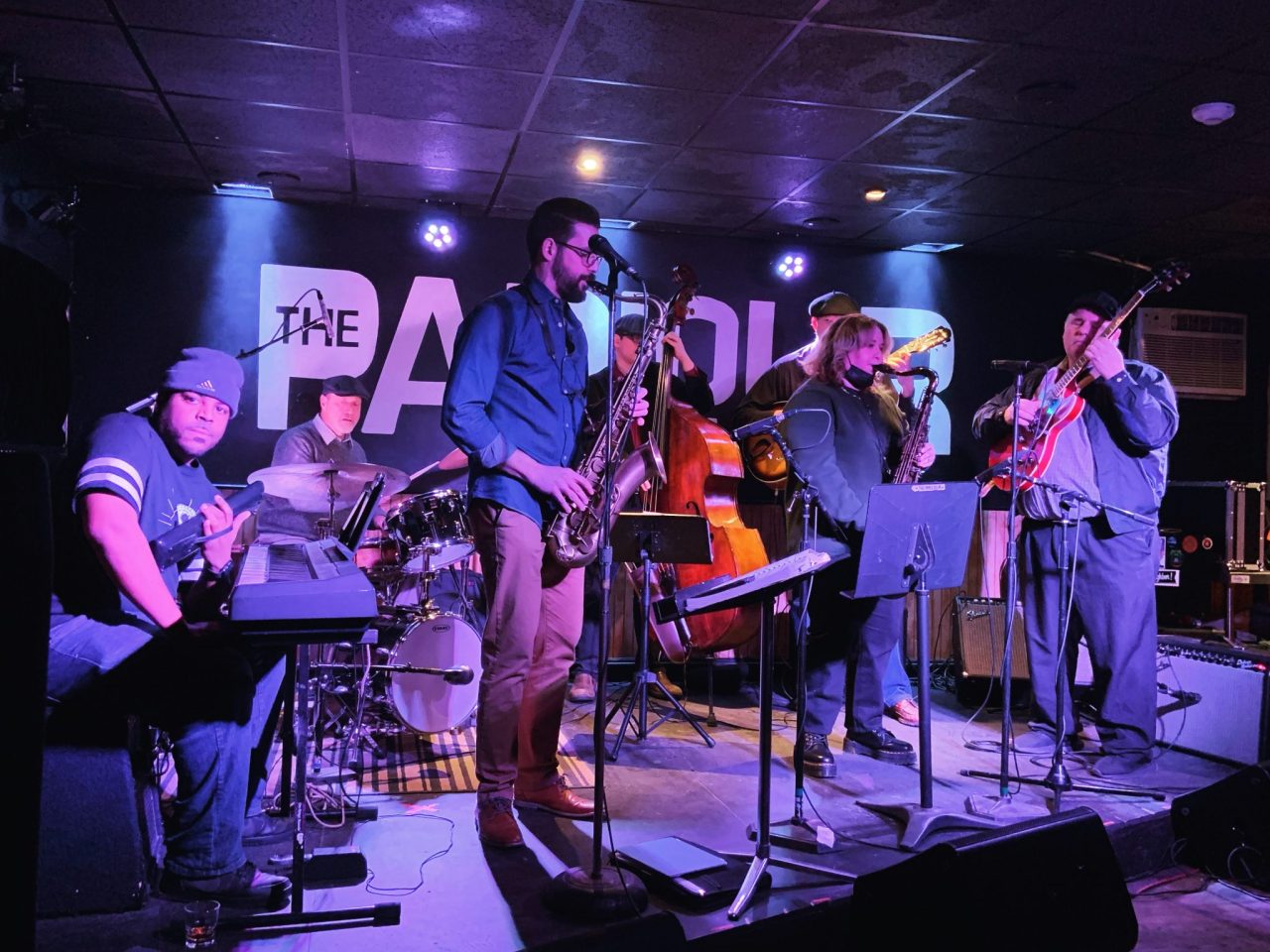
    Since restarting in November 2021, The First Sunday Jazz Jam at The Parlour (Providence) has been steadily growing a dedicated following of musicians and listeners who have helped transform the monthly series into a community-focused evening of musical dialogue and celebration of jazz. I’ve had the good fortune to watch it all blossom first-hand as the house band leader, and feel it’s important to shine a light on all the folks who make this night special. So I asked a couple of them about their experiences at the jam.

    Pre-pandemic, there used to be multiple sessions that an up-and-comer might be able to sit-in on, but since everything has reopened, few of those nights came back and of the ones that did, few remain. However, due to the unwavering support of Parlour owner Gregory Rourke, the First Sunday Jazz Jam was allowed to get its feet under it and has begun to flourish because of the support of a loyal base of fans and musicians who have been consistently packing the room. 

    That includes saxophonist and jam stalwart Bill Scavotto who summed up his experience by saying, “The jazz jam at The Parlour has been a major factor in my progress as a musician as well as helping me gain the confidence to play on stage in front of a live audience and become a better musician.” Though in the beginning we did have our share of stumbles, as is true with any music series, the mission has remained consistent: to foster deeper connections in the music community, forge new relationships, and help musicians develop themselves and their art.

    One great example of this at work is Sydney Mecca, a local saxophonist who, before going away to college, was a constant fixture at the jam. When I asked what makes the jam so important to her, she said, “It has given me the opportunity and experience to play with those in my community. I have always felt welcomed by the Parlour, from being a younger, more inexperienced player, to now as I’m trying to pursue music professionally. Without the Parlour opening its doors to me, I don’t think I would be pursuing jazz the way that I am today or have the courage to jam at the New York City jazz clubs, like smalls. I owe the Parlour a huge thank you for encouraging me to follow my passion for jazz!”

    Going between the stage and audience, I’ve been able to witness so many beautiful moments. I’ve seen musicians play astounding music together who otherwise may never have met, watched friendships form over discussions of Dexter Gordon albums, and cheered on as someone takes the best solo of their lives and heard the crowd erupt in applause when they finished. When talking about this article with Daniel Hill, who plays keyboard for the house band, he reflected on a similar moment he experienced: “One time at the jam the house band wanted to challenge all the jammers to try playing more simplistic ideas when improvising. To give the audience an example, we played a simple tune in the key of C and I remember when it was my turn I was excited because I already had an idea where I wanted to go in my solo. As I was playing, it had a strong reaction from the crowd. It feels good when the crowd loves what you’re playing, but it was so special because it was one of those rare times where I felt 100% happy with what I played.”

    What makes this jam great is that we have a wide spectrum of people – from older folks learning their first instruments, to high schoolers who can play circles around seasoned musicians – who come to play and support each other, not to show-off or get a gig, but for the simple love of playing this music with other people. We are so thankful for all those people who come out to play and grateful to folks who just come by to listen and enjoy the spirit we all share. Because of their support we are able to keep this thing going and let everyone partake in this beautiful, life-giving music we all love.

    We are at The Parlour on the first Sunday of every month and will always be all-ages and all-abilities. For more information visit The Parlour on Facebook, and of course, come by the jam to see for yourself and sit in!

    Ben Shaw is a local composer, performer, and writer. Find him at benjaminshawmusic.com and on Instagram at @benjaminshawmusic.

    Happening Around Town:

    The Autocrats; 1st Thursday monthly @ Askew (Providence), 8-11pm

    First Sunday Jazz Jam at The Parlour; 1st Sunday monthly @ The Parlour (Providence), 6-8pm

    Evening Sky; 2nd Saturday monthly @ The Parlour, 5-8pm

    Clear Audience; 2nd Sunday monthly @ The Parlour, 6-8pm

    Leland Baker Trio; Sundays @ Courtland Club (Providence) 8pm

  • Chase Ceglie and His Jazz Quartet: Every Sunday, Firehouse Theater, Newport

    Chase Ceglie and His Jazz Quartet: Every Sunday, Firehouse Theater, Newport

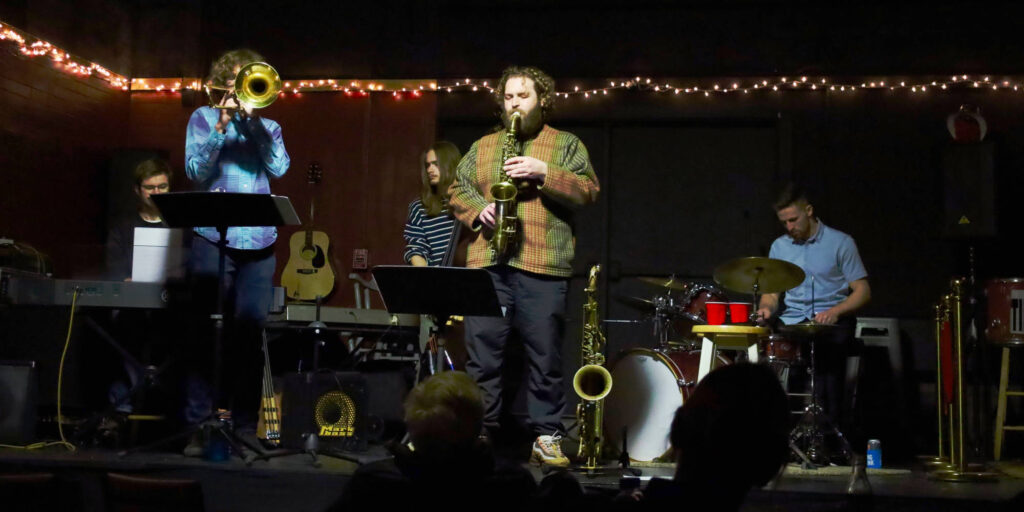
    Chase Ceglie group at Firehouse Theater, Newport, RI, in Feb 2022. (Photo: Ben Shaw)

    Ice blanketed the sidewalk on a cold February night as I navigated the treacherous path to the Firehouse Theater in Newport. Water fell and dotted my glasses as I opened the door and stepped inside the classic building that in 1999 was repurposed as a blackbox-style theater and has been home to performances of comedy and music ever since. I heard strains of the jazz standard “On Green Dolphin Street” as I walked the hall to the rear. This led me inside the space, where I found an intimate crowd gathered to revel in the spectacular music that has become a weekly tradition for most in attendance. The room was dark, lit only by strings of lights strewn around the walls and a couple of spotlights shining on the five-piece band on stage in the front of the room. 

    Playing with an ease gained from consecutive weeks performing together the ensemble was casual but dialed in, focused on the groove they were locked into. Leading them was the saxophonist and composer Chase Ceglie, a Newport native and Berklee College of Music graduate who has spearheaded this event from its inception before the pandemic to its recent return from hiatus. Once they finished the tune, he spoke in a disarming tone, going over the particulars of the evening and introducing the quartet of musicians by his side: Michael Sabin on trombone, Andrew Wynsen on piano, Johnny Santini on bass and Nick Motroni on drums.

    After a few pleasantries, Ceglie counted off the next tune and began playing its melody with his signature subtle tone. His playing is both soft but not weak and understated but capable of room-filling density. The whole band followed him in this way: They are quiet and controlled in their approach, never letting the music get ahead of them. Though they were proficient playing standards like “Yesterdays” or “Night and Day,” the group really shone when playing one of Ceglie’s originals or an infrequently covered gem like the song “More” from the movie Mondo Cane. One of my favorite moments came from their performance of Ceglie’s song “Somehow Somewhere” which appears on his brilliant 2021 Pop album Fear and Love, Together…!

    After they closed out the first set with original “Coming Down,” the band took a quick break and came back for the second set which turned into an open invitation to any jazz musicians in attendance to come up and sit in on a tune or two. As I left a few minutes into the second set I stopped for a moment at the front door to enjoy a little bit more of the music and to be thankful for the return of this special night in Newport. 

    Catch the Chase Ceglie and His Jazz Quartet every Sunday at 4 Equality Park Place, Newport. Doors at 5pm; music at 5:30. Feel free to bring your own drink, food, and instrument if you’d like to join in on the second set. Cover fee is $10 at the door. Facebook: https://www.facebook.com/events/592357251912681 See firehousetheater.org or chaseceglie.com for more information.

    Ben Shaw is a composer, performer, and writer. Find his work at benjaminshawmusic.com

  • Jazz Insights: The Bassman Playeth

    Local jazz bass-guitarist Joe Potenza’s dad provided a cool variety of instruments for his family, while growing up in Providence. He tried them all, and got to favor the bass-guitar.
    Joe began gigging with several of Rhode Island’s excellent musicians, including legends, trumpeter John Allmark, pianist Mike Renzi and reed great Dino Govoni. They taught him the music business.
    For nearly a decade, he held down a regular gig at the Rosmarin Restaurant, (now The Back-Stage Kitchen) at the Hotel Providence. It was one of the Capital City’s best happening, until closing during the pandemic.
    This summer Joe performed in a trio, with pianist (and vocalist) Eden Casteel and guitarist Ro Sati, at Luigi’s Restaurant in Johnston. Other performances included pianist Paul Buono and reedman Dino Govoni.
    Keep your eyes on Motif for up and coming events , that will include our local favorite, Joe Potenza

  • The Life and Success of George Wein: an appreciation

    The Life and Success of George Wein: an appreciation

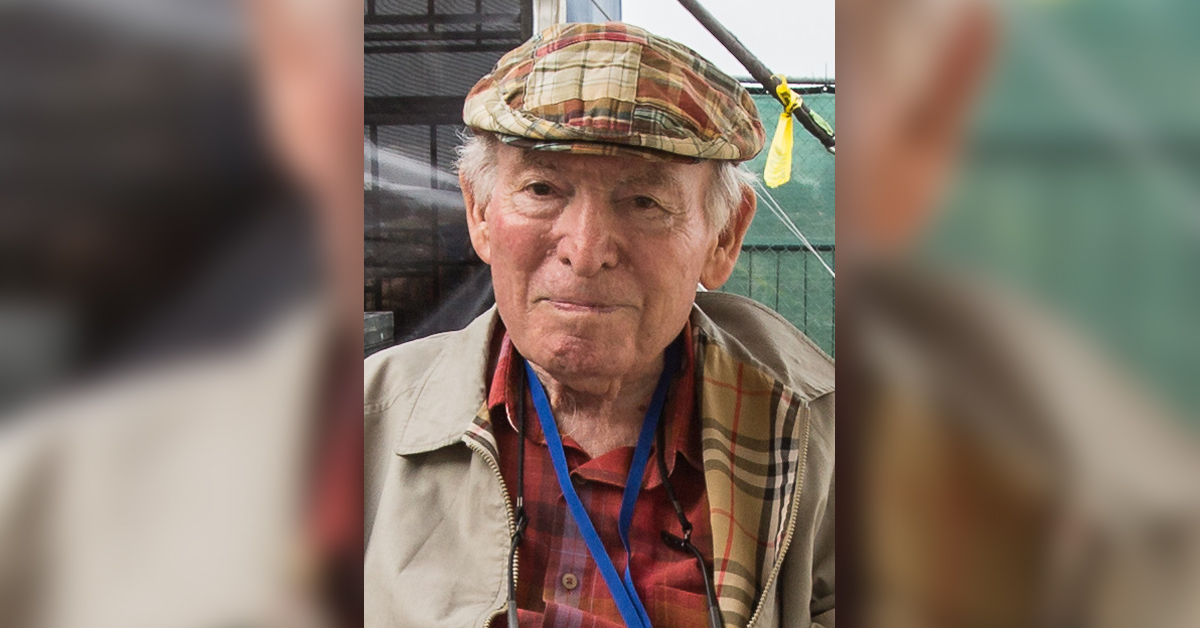
    Burt Jagolinzer, who has attended the Newport Jazz concerts for 67 years writes: George was my friend and my association with him was very important to me, each year… I would always congratulate him, after each Newport performance.

    George Wein discovered jazz, as one of his most important loves of his life.  (The other love was for his late wife Joyce.) While attending Boston University, he redirected his piano-playing talent to eventually open his own jazz club (Storyville), in downtown Boston. He brought in local talent and many others to perform, and built a reputation for great music and entertainment.

    Meanwhile, Lorraine Lorillard, herself a jazz singer and pianist was frustrated. She wanting to hear the talented jazz performers, who were only available in smoke-filled restaurants or lounges, where is was always noisy and very uncomfortable.

    She pleaded with her husband, Pierre Lorillard of the Lorillard tobacco family, to bring jazz to their summer home city of Newport. She wanted to put a variety of special musicians on a festival stage, where their full talents would be displayed to an audience.

    Pierre put up the money for the first two festivals.The Lorillards chose George Wein to produce both those shows.  George picked the performers and negotiated the entire programs.

    The shows were excellent, but the Lorillards lost plenty of money, and decided to give it up.

    George picked up the pieces, found sponsors and ran with it. He kept it running for several more years, still losing money (much of his own), until he finally found the generous sponsors he needed to begin making a profit.

    What most of us didn’t realize about the Jazz Festival was that the musicians enjoyed it, got paid and found and discovered new ideas from each other. The festival even gave the chance for new groups to form. But , most of all, performing on The Newport Stage exposed these great musicians to the media and to the world. The festival helped them to thrive and sell their records, albums and later CDs.

    Many musicians would say, “I knew I’ve made-it, when I performed at Newport.”

  • Thank You, George Wein: What his legacy means to the life of a local jazz musician

    Thank You, George Wein: What his legacy means to the life of a local jazz musician

    My first few years at the Newport Jazz and Folk Festivals were spent standing behind a cart, selling ice cold drinks to festival attendees. I’d chase the shade with my umbrella, while listening to legends and newcomers play, and daydream about what it must look like from up there on the historic stage. As I’d count change and try to get through the long lines of people waiting to buy water or soda between sets, occasionally I’d look up and see a golf cart moving slowly down the path with a little sign on the windshield that read “The Lean Green Wein Machine.”.

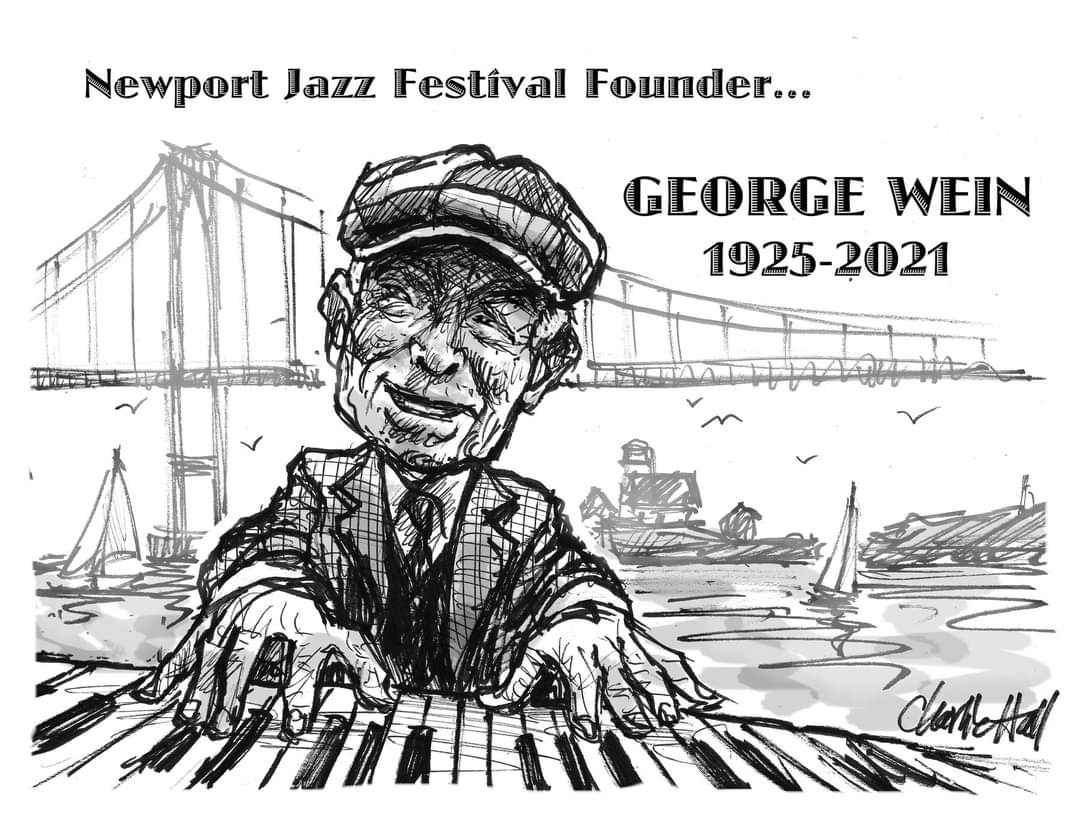
    George Wein, art by Charlie Hall
    George Wein, art by Charlie Hall

    All day I would see George Wein in the passenger seat, riding back and forth trying to catch as much of each performance as he could, going to meet with someone or doing the work that needed to be done to keep the festivals operating. Every so often he’d stop near where I stood so he could sit with the folks and take in the music. I’d watch him smile and bob his head in time, enjoying the fruits of his long, often arduous journey to secure these festivals’ rightful distinctions as the first and most important in American music history.

    So much has been said about his life already. In his early days, he was a determined self-starter, a visionary who changed what musical festivals could be. Later, he became a courageous ally, who sought to use his platform to advance racial justice and equity in an industry with a poor record of inequality and outright abuse. The tributes all talk of his casual but electric personality, how admired he was by those who knew him, and how much love he had for the music he helped foster in the world.

    I never got to meet Mr. Wein, which may have been good for both our sakes. I’m sure I would have stumbled over my words as I delayed his golf cart, trying to tell him how important his festivals are to me. Both the Jazz and Folk Festivals provided me with enough inspiration to keep the wheels on my dream greased for another year. I am so glad that he decided to take a chance on starting these festivals in a little seaside town down the road from where I grew up. Without his legacy I probably wouldn’t be trying to chase mine. 

    I like to think that one day as he drove by my cart, he looked and saw me — a teenager standing in awe at the majesty of the moment unfolding, a young musician his mouth agape in wonder at the music and revelry surrounding him. George might’ve smiled to himself knowing that he was reshaping yet another person’s life as he sputtered off in “The Lean Green Wein Machine”.

    Ben Shaw is a local composer, performer, and writer. Find him at benjaminshawmusic.com and on instagram at @benjaminshawmusic.

  • Jazz Insights: William “Billy” Osborne

    William “Billy” Osborne came from a Providence family of highly gifted and talented musicians. Rhode Island long enjoyed the voice and piano of his oldest brother Clay “Clarence” Osborn, who passed away several years ago, and today,  Billy is always first to claim being the brother of the younger and very successful Jeffrey Osborne.

    Billy was raised as a drummer and pianist, who at age 16 arrived in Manhattan. He was picked up by the Jimmy Giuffre Quartet, and became part of new modern jazz. Several magazines that recognized his talent named him “Best Jazz Drummer.”

    Osborne played with many of the top New York performers, including John Coltrane, Wes Montgomery, Lionel Hampton, Count Basie and Duke Ellington. In 1990 he toured with Ray Charles as his arranger, composer and producer, and continued touring with him until Ray’s death in 2004.

    Billy continues doing stints in Hollywood aamong others, and his voice and ivory skills keep the Osborne family of Rhode Island in front of musical audiences.